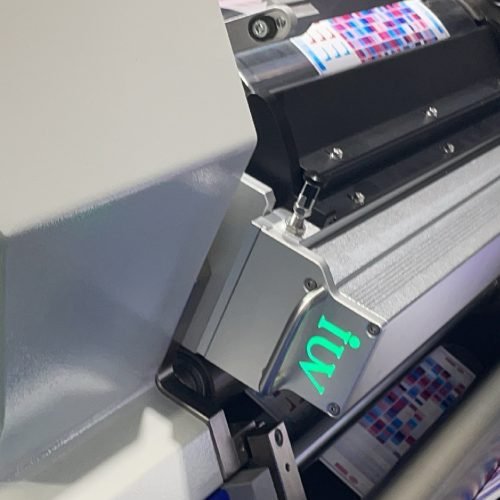
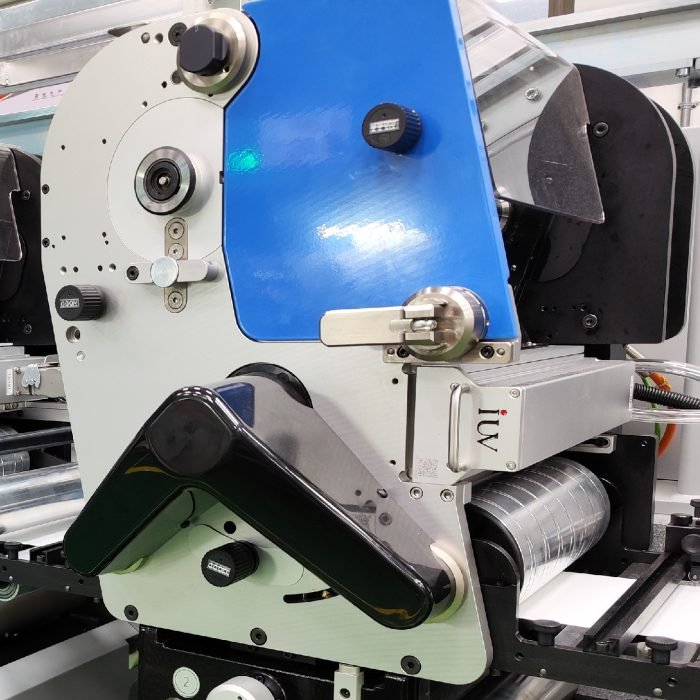
In the competitive landscape of label printing, achieving exceptionally opaque whites and truly vibrant color builds is often the differentiator. These visual qualities not only catch the consumer’s eye but also convey a sense of premium quality. For years, printers have sought ways to elevate their output, particularly in narrow-web applications where detail and consistency are paramount. The advent and refinement of LED UV curing technology in flexographic printing have provided a powerful solution, fundamentally changing what’s possible for high-opacity whites and complex color builds.
The Challenge of High-Opacity Whites
Creating a truly opaque white on various substrates, especially transparent or darkly colored films, presents a significant technical hurdle. Traditional UV curing systems often struggle to provide the rapid, efficient curing required for thick white ink layers. This can lead to several issues:
- Incomplete Curing: Insufficient UV energy can result in uncured ink at the bottom of the ink film. This compromises adhesion, rub resistance, and can even lead to ink transfer.
- Ink Scumming/Blooming: Inadequate curing can also cause components within the ink to migrate to the surface, creating a hazy or sticky appearance that dulls the white.
- Yellowing: Overexposure to certain UV wavelengths, especially with older mercury lamp systems, can induce yellowing in white inks, diminishing their brilliance.
- Poor Build-Up: Achieving sufficient ink film thickness for opacity without compromising printability or drying time is a delicate balance.
Vibrant Color Builds: The Pursuit of Gamut Expansion
Beyond white, achieving truly saturated and vibrant colors is crucial for brand impact. This involves building colors from multiple ink layers, often requiring a wide color gamut. Flexographic printing, especially in narrow-web, relies on precise ink transfer and consistent curing to reproduce these intricate color builds accurately. Challenges include:
- Dot Gain and Trapping: Inconsistent curing can affect ink tack, leading to unpredictable dot gain and poor trapping between successive color layers. This mutes colors and reduces vibrancy.
- Ink Consistency: Achieving uniform color density across the print run is essential. Variations in curing can lead to density shifts.
- Substrate Interaction: Different substrates absorb and reflect light differently. Achieving optimal color vibrancy requires inks that perform predictably on a wide range of materials.
How LED UV Curing Transforms Flexo Printing
LED UV curing systems offer distinct advantages over traditional mercury lamp systems, directly addressing the challenges of high-opacity whites and vibrant color builds in flexo printing.
- Instant On/Off and Precise Control: LEDs can be switched on and off instantaneously. This eliminates the warm-up and cool-down periods associated with mercury lamps. More importantly, it allows for precise control over the UV energy delivered to the ink. This means printers can tailor the energy output to the specific ink formulation and ink film thickness being used.
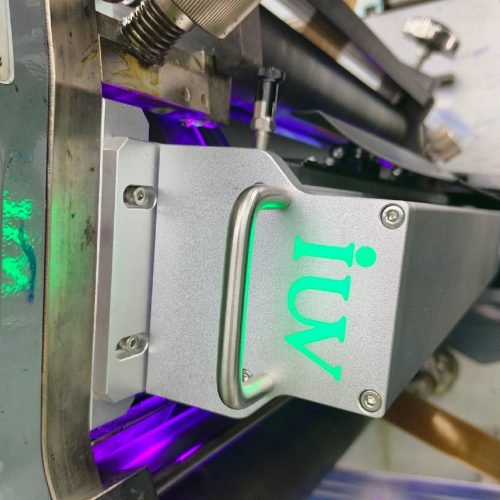
- Targeted Wavelengths: LED systems emit light within very specific, narrow wavelength bands. This is a game-changer for UV-curable inks. Formulators can create inks optimized for these specific wavelengths, ensuring efficient photoinitiator activation and complete cure. For high-opacity whites, this means a stronger, more uniform cure throughout the thicker ink layer.
- Lower Heat Output: Compared to mercury lamps, LEDs generate significantly less heat. This is critical for printing on heat-sensitive substrates commonly used in narrow-web label applications, such as thin films and some papers. Reduced heat minimizes substrate distortion, ink viscosity changes, and potential ink-scumming issues.
- Energy Efficiency and Longevity: LEDs are far more energy-efficient than mercury lamps. They also have a much longer operational lifespan, reducing replacement costs and waste. This translates to a more sustainable and cost-effective printing process.
LED Flexo: The Specific Advantages for High-Opacity Whites
The unique characteristics of LED UV curing directly benefit the creation of superior white inks in flexo:
- Optimized Ink Formulations: Ink manufacturers have developed specialized LED-curable white inks. These formulations are designed to cure efficiently at the specific wavelengths emitted by LED lamps, often in the 395nm range. This allows for faster curing speeds and the ability to lay down thicker ink films necessary for true opacity.
- Deeper, Faster Curing: The targeted wavelengths and consistent energy output of LEDs penetrate thicker ink layers more effectively. This ensures that the photoinitiators throughout the entire white ink film are activated, leading to a complete, robust cure. This prevents the under-curing issues that plague traditional systems with heavy white ink lays.
- Brighter, Whiter Whites: Because the inks are cured more efficiently and with less heat, the tendency for yellowing is dramatically reduced. This results in a cleaner, brighter, and more neutral white that serves as a superior foundation for subsequent color printing.
- Improved Adhesion and Durability: A fully cured ink film is essential for good adhesion to the substrate and for resistance to abrasion, chemicals, and other environmental factors. LED curing ensures this complete cure, leading to more durable labels.
LED Flexo: The Specific Advantages for Vibrant Color Builds
When it comes to vibrant color builds, LED flexo technology offers precision and consistency that elevates color reproduction:
- Enhanced Ink Transfer and Curing: The controlled energy output and lower heat of LED systems contribute to more predictable ink transfer and tack. This allows for cleaner dot edges and better ink trapping between process colors (CMYK) and spot colors.
- Reduced Dot Gain: Efficient curing minimizes ink spread and ink-scumming, leading to finer dots and lower overall dot gain. This preserves highlight detail and allows for brighter, more saturated colors.
- Consistent Color Density: The instantaneous on/off and stable energy output of LEDs ensure that each color layer cures consistently throughout the print run. This means the printed color densities remain stable, and color matching becomes more repeatable.
- Expanded Color Gamut: By achieving cleaner dots and better trapping, printers can more effectively reproduce a wider range of colors. This means CMYK builds can achieve richer, more vibrant hues, and the use of extended gamut inks (e.g., CMYKOGV) becomes even more impactful.
- Substrate Versatility: The lower heat output of LEDs makes it ideal for printing on a wide array of flexible films, shrink sleeves, and delicate papers without causing distortion or compromising ink performance. This allows for vibrant color builds on virtually any label substrate.
Practical Considerations for Implementing LED Flexo
Adopting LED UV curing for high-opacity whites and vibrant color builds involves a few key considerations:
- Ink System Compatibility: It is essential to use UV-curable inks specifically formulated for LED curing. These inks contain photoinitiators optimized for the narrow wavelength bands of LED lamps. Standard UV inks may not cure efficiently or at all under LED lamps.
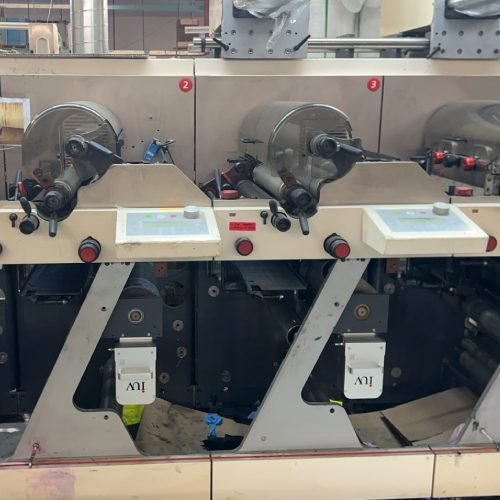
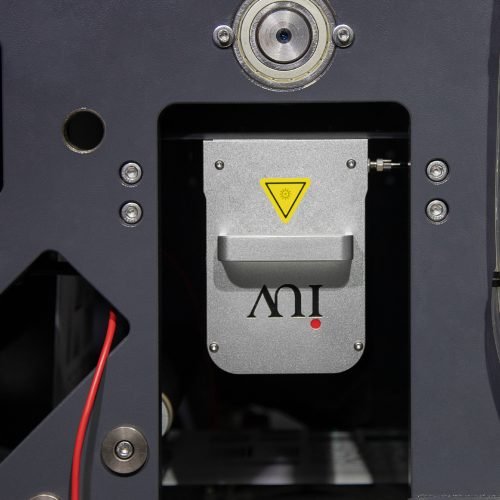
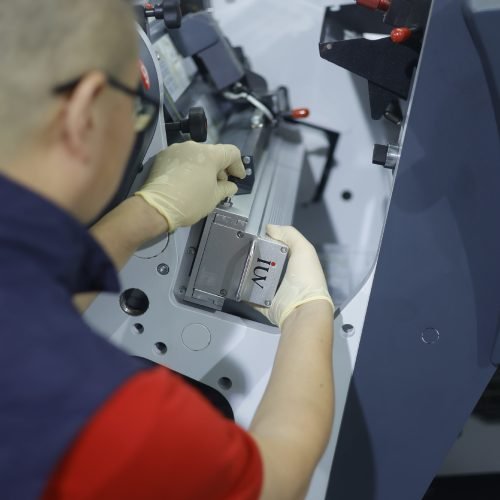
- Press Retrofit or New Press: Presses can be retrofitted with LED UV curing units, or new presses can be purchased with integrated LED systems. The choice depends on existing equipment and investment plans.
- Wavelength Selection: While 395nm is common, different LED wavelengths are available and can influence ink performance. Consultation with ink and equipment manufacturers is recommended to select the optimal system for specific applications.
- Energy Requirements: LED systems have specific power and cooling requirements that need to be factored into pressroom infrastructure.
- Operator Training: Press operators need to understand the specific handling and curing characteristics of LED-curable inks and the operation of LED UV systems.
The Future is Bright (and Opaque!)
The integration of LED UV curing technology into flexographic printing has moved beyond being a trend to becoming a standard for printers aiming for the highest quality in label production. For applications demanding brilliant, opaque whites as a foundation and the most vibrant, saturated color builds, LED flexo offers unparalleled performance. It provides the precision, consistency, and efficiency needed to meet and exceed market expectations, ensuring that labels not only perform their function but also stand out boldly on the shelf. As ink and equipment technology continues to advance, the capabilities of LED flexo for achieving these demanding visual effects will only continue to grow.