For ages, the backbone of curing in flexographic printing, especially for narrow-web applications, was mercury-vapor lamps. These workhorses delivered the necessary UV energy to cure inks and coatings. However, they came with their own set of challenges. Think about the heat they generated – it wasn’t just about drying the ink; it was about baking the entire substrate and surrounding components. This often meant higher energy consumption, a longer warm-up time, and a need for significant ventilation to manage the heat. Furthermore, the mercury content posed environmental concerns, and bulb replacement was a recurring cost and an operational interruption.
Then came the shift towards UV LED technology. This wasn’t an overnight revolution, but a steady, impactful evolution. Initially, UV LED systems were often more expensive and might not have offered the broad spectrum of wavelengths or the power output to match traditional mercury lamps for all applications. However, as the technology matured, so did its capabilities and its cost-effectiveness.
What Exactly is UV LED Curing?
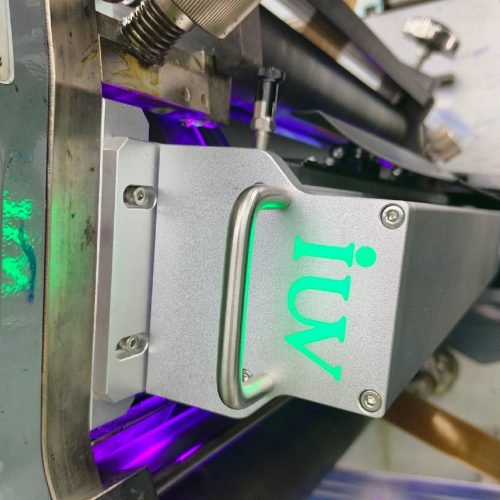
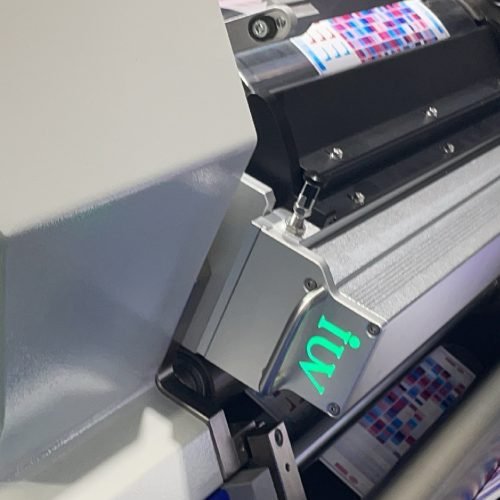
At its core, UV LED curing uses light-emitting diodes (LEDs) to produce ultraviolet light. Unlike mercury lamps that emit a broad spectrum of UV light, LEDs emit light at specific, narrow wavelengths. The most common wavelengths used in printing are in the 365 nm, 385 nm, 395 nm, and 405 nm ranges. This specificity is a key advantage. It means that the energy produced is targeted precisely at the photoinitiators within the UV-curable ink or coating, triggering a rapid polymerization process. This is the “curing” – the transformation of a liquid ink into a solid, durable film.
Enhancing Narrow-Web Flexo Printing with UV LED
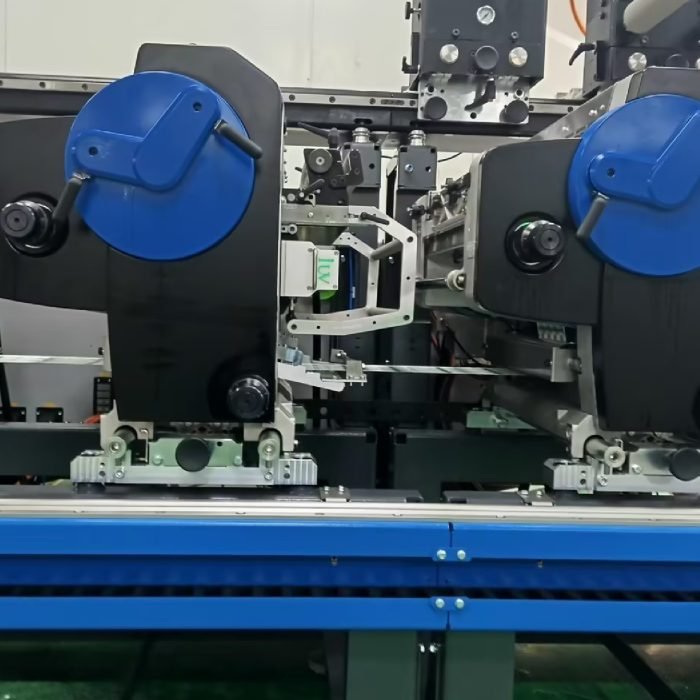
Now, let’s talk about how this technology specifically elevates narrow-web flexo printing. This sector, often dealing with labels, packaging, and specialized films, demands high quality, speed, and versatility. UV LED curing addresses these demands head-on.
Improved Energy Efficiency and Reduced Heat Load
One of the most significant advantages of UV LED is its remarkable energy efficiency. LEDs convert a much higher percentage of electrical energy into UV light compared to mercury lamps. This translates directly into lower power consumption and reduced operational costs.
Crucially, UV LEDs generate very little heat. This is a massive benefit for narrow-web printing, where substrates can be thin and heat-sensitive. Imagine printing on certain plastic films or delicate paper stocks. Traditional lamps could cause warping, shrinking, or even damage the substrate. UV LEDs, by emitting minimal heat, allow printers to maintain tighter control over substrate temperature, enabling the use of a wider range of materials without degradation. This also means less need for extensive cooling systems and ventilation, simplifying press design and reducing infrastructure costs.
Instantaneous On/Off Capability and Faster Throughput
UV LEDs can be switched on and off instantaneously. This might sound like a minor point, but in a high-speed printing environment, it’s a significant operational advantage. Unlike mercury lamps that require a warm-up period to reach optimal intensity and a cool-down period, LEDs are ready to go the moment you need them and switch off the moment you don’t.
This immediate response capability contributes to faster job turnaround times. Printers can switch between jobs more efficiently, and there’s no wasted energy or time waiting for lamps to stabilize. This also means that UV energy is only applied when needed, further contributing to energy savings and reduced heat exposure on the substrate. For complex jobs involving multiple printing stations with different inks or coatings, the precise control over when and where UV light is applied becomes invaluable.
Enhanced Curing Performance and Ink Versatility
The targeted wavelengths of UV LEDs are designed to work optimally with specific photoinitiators in UV-curable inks and coatings. This leads to highly efficient and thorough curing. The result? More robust, durable, and scratch-resistant prints. This is paramount in the narrow-web sector, where labels and packaging often face significant wear and tear.
Furthermore, the development of UV LED-curable inks has kept pace with the technology. Formulators have created inks and coatings that are specifically optimized for LED curing wavelengths. This means printers can achieve excellent results with a wide array of flexo inks, including those for food packaging (with proper barrier coatings and low migration formulations), high-build varnishes, metallics, and even special effect inks. The ability to cure these materials effectively and rapidly is crucial for maintaining print quality and achieving desired aesthetic and functional properties.
Longer Lifespan and Reduced Maintenance
UV LED systems boast a significantly longer operational lifespan compared to mercury vapor lamps. While mercury lamps typically last for 1,000-3,000 hours, UV LEDs can operate for 20,000 to 50,000 hours or even more. This drastic difference means far fewer lamp replacements, leading to substantial cost savings on consumables and greatly reduced downtime for maintenance.
This extended lifespan also contributes to a more stable and predictable printing process. Printers don’t have to worry about the gradual degradation of lamp output that can occur with mercury lamps, which can affect cure levels and print quality over time. The consistent output of LEDs ensures reliable performance throughout their operational life.
Environmental Benefits and Safety
Beyond the operational efficiencies, UV LED curing offers environmental advantages. The reduced energy consumption directly translates to a smaller carbon footprint. The absence of mercury in LED lamps eliminates a hazardous substance, making disposal safer and more environmentally responsible.
From a safety perspective, the lower heat output and the targeted nature of the UV light can also contribute to a safer working environment. While appropriate eye protection is always necessary when working with UV light, the reduced radiant heat and the ability to precisely control the UV exposure can be seen as positive safety attributes.
Addressing Specific Flexo Applications
In the narrow-web flexo space, applications are diverse. For label printing, the need for speed, versatility, and durability is constant. UV LED excels here, allowing for high-speed runs of labels that need to withstand handling, exposure to light, and various environmental conditions.
For flexible packaging, where inks need to adhere well to plastic films and coatings must provide barrier properties, UV LED is a powerful tool. Its ability to cure complex ink and coating formulations quickly and efficiently ensures that the packaging maintains its integrity and appeal.
Even in applications like shrink sleeves or in-mold labels, where substrate dynamics and curing precision are critical, UV LED technology offers a reliable and high-performance solution. The controlled heat output is particularly beneficial for shrink sleeve applications where substrate stability is paramount.
Considerations for Implementation
While the benefits are clear, adopting UV LED curing also requires careful consideration.
- Wavelength Compatibility: Ensure that your inks and coatings are formulated for the specific LED wavelengths you are implementing. Not all UV inks are LED-curable.
- Irradiance and Dose: The power output (irradiance) and the total energy delivered (dose) are critical for achieving proper cure. This needs to be matched to the ink system and press speed.
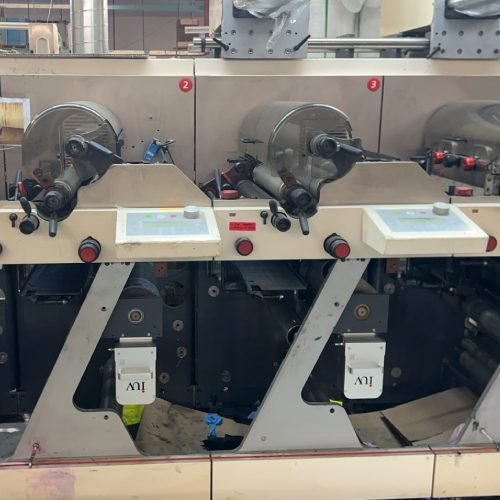
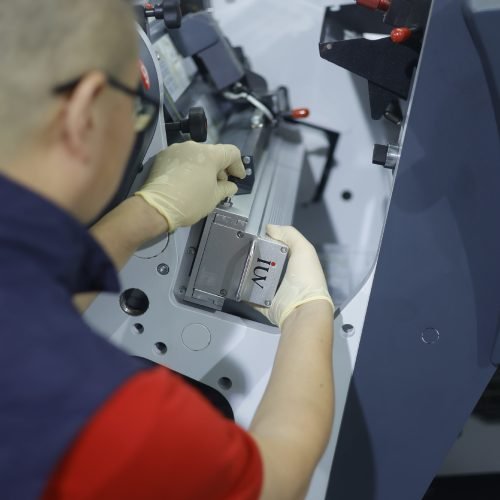
- Integration: Retrofitting existing presses or specifying new equipment requires careful planning to ensure proper integration of the LED curing units.
- Initial Investment: While the long-term savings are substantial, the initial investment in UV LED curing systems can be higher than for traditional mercury lamp systems. However, the total cost of ownership often proves to be much lower.
The Future is Bright with UV LED
The trend towards UV LED curing in narrow-web flexo printing is undeniable. Its combination of energy efficiency, reduced heat, superior curing performance, extended lifespan, and environmental benefits makes it a compelling technology for any printer looking to enhance their operations. As ink and coating formulations continue to evolve and LED technology itself becomes even more sophisticated, the advantages will only become more pronounced. For businesses in the narrow-web space, embracing UV LED curing isn’t just about staying current; it’s about investing in a more efficient, versatile, and sustainable future for their printing capabilities.