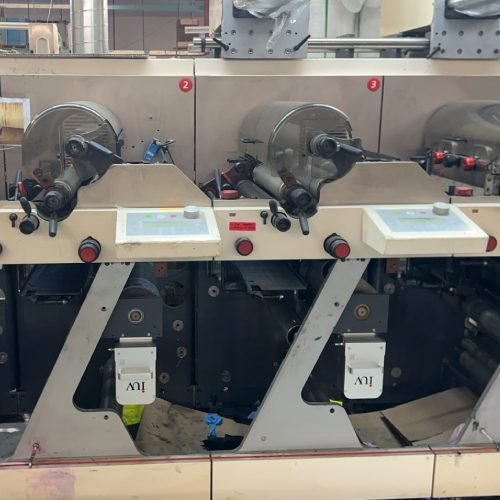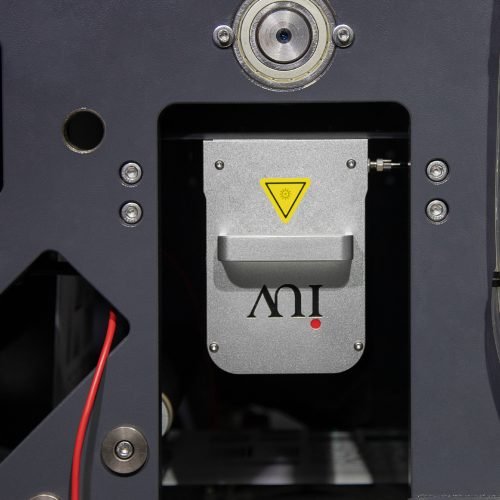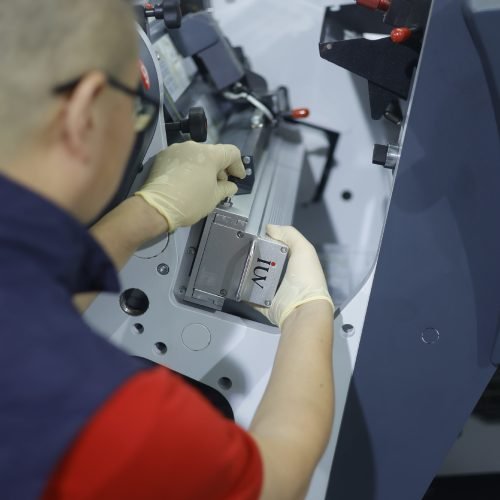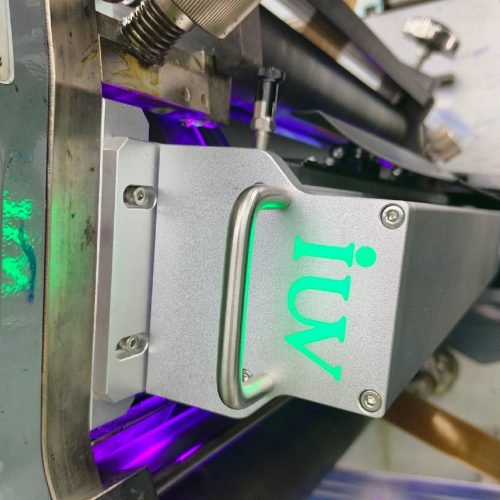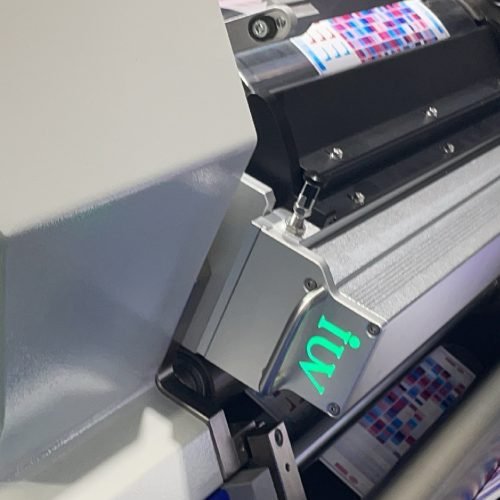
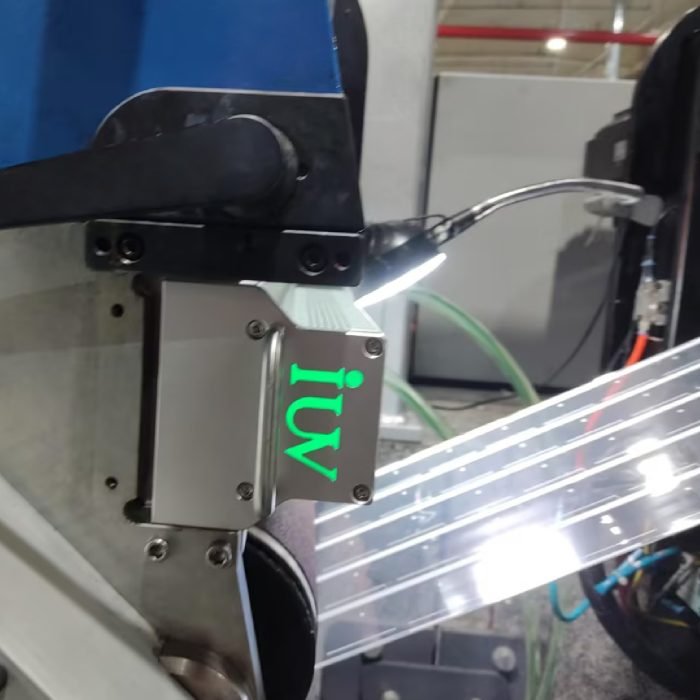
LED UV curing systems play a central role in label printing, flexography, gravure, and narrow-web processes. They deliver rapid cure, high productivity, and reduced energy use. But long-term print stability depends on disciplined maintenance. This article blends practical maintenance routines with core UV curing knowledge. It covers LED light engines, optics, cooling, process control, ink compatibility, and each printing method: label, flexo, gravure, and narrow width. The goal is to help you sustain consistent cure quality, minimal downtime, and reliable color performance across jobs.
System Architecture and Its Impact on Stability
A modern LED UV curing module comprises several subsystems. The LED light engine, the optical path (filters, lenses, light guides), the cooling circuit, and the power and control electronics work together to deliver a defined energy dose at the substrate. In high-speed label and narrow-web lines, even small misalignments or thermal drift can create cure variation across the web. A robust maintenance plan targets all subsystems, with emphasis on optics cleanliness, thermal performance, and electrical stability. Consistent irradiance at the substrate is the primary driver of stable print, gloss, adhesion, and chemical resistance.
Ink, Substrate, and Curing Chemistry
UV-curable inks for label and packaging are designed to polymerize under LED wavelengths. The spectral match between the LED emitter and the ink photoinitiators matters. Flexo, gravure, and narrow-web inks often differ in pigment loading, viscosity, and yellowing tendency. Maintain the following:
- Confirm ink compatibility with LED curing: ensure initiators suit the LED spectrum and avoid inks with long-term Yellowing tendencies that can reduce cure depth.
- Manage pigment and binder balance: high pigment loads require sufficient energy density; lean ink films can cure rapidly but risk surface tack.
- Control substrate interactions: coatings, laminates, or barrier layers can absorb or reflect UV differently; calibrate curing to substrate behavior.
Routine Maintenance and Inspection
A disciplined maintenance cadence reduces loss of color, adhesion, and gloss. The schedule below targets stability without excessive downtime.
Daily checks
- Inspect web path for debris that could shade the cure area or scratch optics.
- Confirm protective covers and interlocks are in place and functioning.
- Observe LED arrays for uniform brightness and signs of overheating (hot spots or unusual fan noise).
Weekly checks
- Measure irradiance at the substrate with a radiometer or dosimeter to confirm even output across the web width.
- Clean exterior optics and easy-to-reach lenses with manufacturer-approved cleaners and lint-free wipes.
- Inspect cooling fans for proper operation; listen for abnormal vibration or noise.
Monthly checks
- Inspect water or air cooling circuits for leaks, flow rate, and temperature stability.
- Check cable connections, shield integrity, and connector corrosion; reseat connectors as needed.
- Review process settings: line speed, temperature of the ink dehydration, and cure energy density. Adjust if you see shifts in gloss or bond strength.
Quarterly and annual tasks
- Perform a full optical alignment check: confirm lamp-to-substrate distance, angular alignment, and uniformity of the illumination field.
- Replace filters, protective windows, or light guides as recommended by the equipment maker.
- Schedule a calibration of the UV dose control loops and any feedback sensors that track irradiance, temperature, or ink rheology.
- Consider a retrofit or upgrade if LED output has degraded beyond your acceptance criteria, or if new ink chemistries require spectral adjustments.
Mechanical and Optical Maintenance
The effectiveness of UV curing hinges on optics clarity and stable light delivery.
Optics care
- Clean lenses, reflectors, and light guides regularly using approved solvents and lint-free cloths. Avoid acetone on coatings that aren’t specified.
- Inspect for coating delamination or micro-scratches that scatter light and reduce dose at the substrate.
- Keep the curing window clear of ink splatter and dust, which can alter dose uniformity.
Lamp/LED module performance
- Monitor LED die temperature and cooling efficiency. Excess heat shortens LED life and alters spectral output.
- Track LED current and voltage stability with the control system. Small drifts can accumulate into significant dose variation.
- Plan LED renewal according to the manufacturer’s life-cycle estimates and actual operating hours. Do not let aging LEDs drift beyond acceptable cure performance.
Cooling system integrity
- Verify coolant or air supply is within specification. Contaminated coolant or clogged air paths raise temperatures and reduce cure consistency.
- Check heat exchangers, seals, and pump performance. Look for leaks and air locks in the line.
- Confirm the temperature of the cooling medium at the LED module remains within the target range during full-line production.
Process Control for Long-Term Stability
A stable print process emerges when cure energy, dosing, and line speed are in harmony.
Dose management
- Use in-line radiometry to maintain a constant energy density across the web. Achieve a consistent dose even as line speed changes.
- Map dose vs. line speed for each ink family and substrate combination. Update the process window when a new ink batch or substrate enters production.
Spectral and dose considerations
- Align LED wavelength with ink photoinitiator absorption peaks. If ink chemistries shift, adjust the LED spectrum or dose to maintain cure depth.
- Monitor cure indicators such as gel fraction, cross-link density, and surface gloss. Use these metrics to verify a stable cure window.
Ink handling and process integration
- Maintain quality in ink delivery: filtered, deaerated inks improve cure consistency and reduce air-related defects.
- Ensure proper anilox or plate contact in flexo and gravure systems so ink transfer does not alter the apparent cure by changing the ink film thickness at the nip.
Narrow-web specific considerations
- Narrow-web lines demand tight tolerance in lamp-to-substrate distance, uniform exposure across a narrow web width, and rapid response to speed changes.
- Edge effects can dominate at narrow widths; confirm that the cure field is flat and the edges are not under- or over-cured.
- Consider the use of inline sensors to verify cure uniformity across the narrow width, especially for small font or fine graphics.
Troubleshooting Common Issues
A methodical approach reduces downtime and maintains print stability.
Under-curing symptoms and fixes
- Symptoms: tacky surface, poor adhesion, color shifting, reduced chemical resistance.
- Likely causes: insufficient dose due to low LED output, incorrect ink formulation, dirty optics, or poor cooling.
- Fixes: verify irradiance across the web, clean optics, confirm ink chemistry, and improve cooling efficiency to restore stable dose.
Over-curing symptoms and fixes
- Symptoms: excessive surface hardness, embrittlement of substrates, yellowing, or gloss loss.
- Likely causes: excessive dose or too-high photoinitiator sensitivity to the LED spectrum.
- Fixes: reduce energy density, adjust line speed, and verify that the ink system responds correctly to the LED wavelength.
Inconsistent cure across the web
- Symptoms: banding, nonuniform gloss, or variable adhesion.
- Likely causes: misaligned optics, non-uniform cooling, variances in adhesive layers, or ink misapplication.
- Fixes: realign optical components, balance the cooling across the web, and standardize ink laydown.
Safety and Compliance
LED UV systems emit UV radiation. Prevent exposure by design and policy.
- Ensure interlocks, shielding, and emergency stops are functional.
- Use appropriate PPE for operators when accessing the curing zone during maintenance.
- Train staff on handling UV hazards, spills, and eye protection. Maintain clear signage around curing stations.
Case Scenarios: Label, Flexo, Gravure, and Narrow-Web Printing
- Label printing: High-velocity lines require stable dose across a large substrate width. Regularly calibrate the radiometer and ensure the ink’s cure window remains intact with changing pigment content in labels.
- Flexography: Plate relief and ink film thickness vary with line speed. Maintain control of ink viscosity and pump pressure to ensure uniform coating and consistent curing at high speed.
- Gravure: High pigment loads demand sufficient energy. Focus on ink transfer consistency and ensure the LED array reaches the full cure depth without overheating.
- Narrow-web printing: Precision is critical. Consistent edge-to-edge cure is essential for fine text and small graphics. Use edge guards and real-time dose feedback to minimize variability.
Long-Term Strategy for Stability
- Build a maintenance calendar that aligns with production calendars and ink transitions. Use it to track component life, calibration history, and any deviations in print quality.
- Invest in monitoring tools: inline radiometers, substrate sensors, and process data logging. Data-driven adjustments improve stability.
- Plan for periodic upgrades. LED technology, optics, and control electronics evolve. Upgrading ahead of performance degradation keeps lines productive.
Conclusion
Maintaining LED UV curing systems is a multi-faceted effort that directly supports long-term printing stability in label, flexo, gravure, and narrow-web processes. Regular inspection of optics, robust cooling, precise dose control, ink compatibility checks, and disciplined maintenance planning form the foundation. When these elements work in concert, you gain reliable cure across job types, consistent color and adhesion, and fewer interruptions in high-speed production. This approach not only protects print quality but also protects the investment in LED curing technology and the efficiency of your operation.