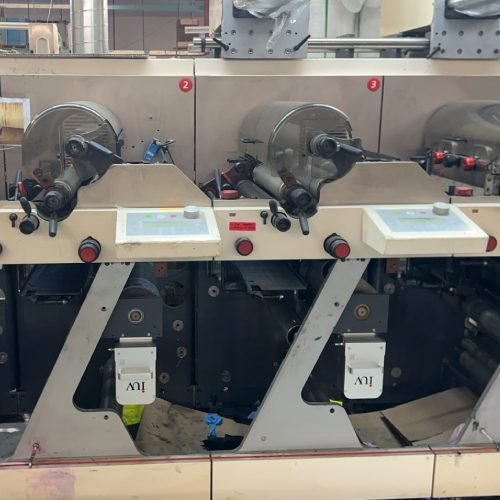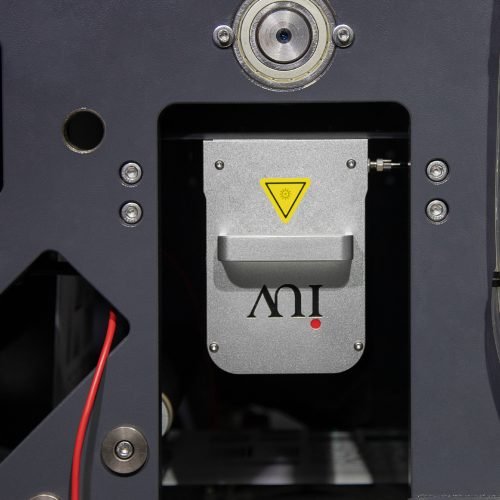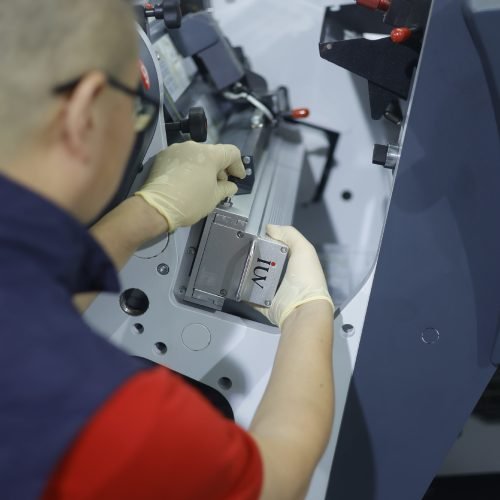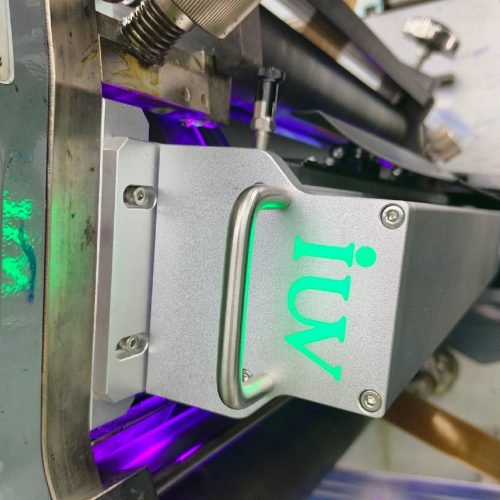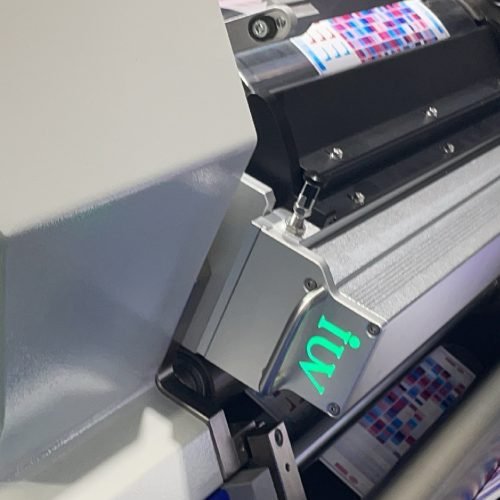
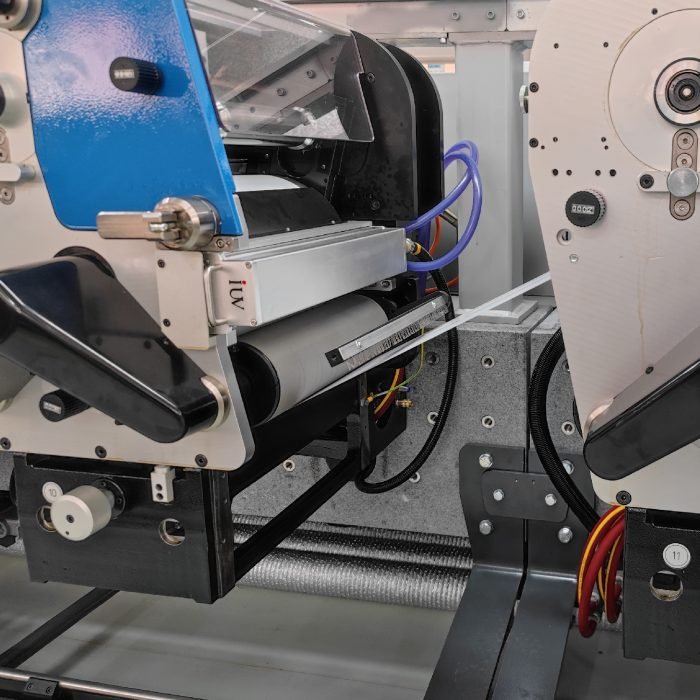
Heat-related defects challenge modern print shops, especially in label printing, flexographic (flexo) work, lithography, and narrow web runs. LED UV curing offers a practical path to fewer heat-induced problems. By delivering rapid, energy-efficient curing with minimal substrate heating, LED systems help maintain dimension stability, reduce warping, and improve color consistency. This article explains how to leverage LED UV curing to cut heat-related defects across label, flexo, offset, and narrow web printing, with concrete steps you can apply in daily operations.
Understanding why LED UV curing helps
Traditional UV curing uses mercury lamps that emit a broad spectrum and generate substantial heat at the web surface. The heat can cause substrates to expand or cockle, especially on thin or uncoated papers and sensitive films. LED UV cures with specific wavelengths (commonly 385–405 nm) and much lower heat input. Benefits include quicker start-up, cooler operation, longer lamp life, and more uniform cure across complex substrates. LEDs also enable precise energy delivery, so ink and coatings reach a complete cure without overdoing heat exposure that could lead to brittleness or distortion.
Key performance targets when applying LED UV
- Complete cure without surface tack or uncured regions.
- Uniform cure across the full web width, including narrow and tight web areas.
- Substrate dimensional stability, minimal cockling, and reduced curl.
- Consistent gloss, color integrity, and dot quality.
- Safe, controllable operating temperatures for both ink and substrate.
Label Printing: optimizing heat control on narrow webs
Label and tag production often uses narrow-web formats with fast speeds. Heat management is critical to avoid substrate distortion and ink set-off.
Practical approaches
- Substrate choice and pretreatment: Select substrates with good dimensional stability and surface energy. Use corona or flame treatment where appropriate to improve ink adhesion without increasing heat load.
- Ink formulation and layer thickness: Opt for UV-curable inks designed for narrow web. Keep pigment loading balanced to minimize resin exotherm. Apply the thinnest reliable ink film to reduce heat buildup while maintaining opacity.
- LED curing configuration: Use a high-uniformity LED array that covers the full web width. If possible, employ multiple heads to avoid hot spots on tight radius areas. Ensure adequate cooling of LED modules to maintain consistent output.
- Cure verification: Use a radiometer to measure actual irradiance at the substrate. Aim for a validated dose that cures the chosen ink film thickness without overheating the substrate.
- Process interlocks: Coordinate printing speed, ink viscosity, and LED intensity. A slight reduction in speed can significantly improve cure uniformity and reduce heat-caused defects.
Flexographic Printing: achieving even cure on flexible substrates
Flexo relies on fast line speeds and delicate ink films. Heat management in flexo is essential to prevent solvents or water in inks from causing unexpected expansion, blocking, or mottling after cure.
Best practices
- Ink rheology and film control: Use UV-curable inks with low exotherm monomers. Maintain stable viscosity across the press to prevent shear-induced heating in the pump and metering system.
- Plate and blade considerations: Keep plate temperatures stable and avoid overheating the doctor blade. Excessive heat can transfer to the ink film and worsen shrinkage or fuzziness after cure.
- Substrate handling: For flexible substrates like synthetic films or coated papers, verify dimensional stability at press speed. A slight pre-stabilization step, such as a gentle pre-drying or controlled cooling, can reduce heat-related warping.
- Cure head strategy: For large repeat runs, consider a modular LED cure layout that can be tuned per zone. This helps deliver uniform energy across the web and reduces hot zones near the edges.
- Quality checks: Immediately inspect for tack, yellowing, or orange peel after curing. If observed, lower the energy density or adjust the ink film thickness and re-run a small test.
Offset Lithography (胶板印刷): coatings, varnishes, and UV finishes
In offset packaging or decorative printing, UV-curable coatings and varnishes are used to add gloss and protection. Although offset presses are traditionally dampened, LED UV curing can be applied to UV coatings inlined or as post-coat finishing.
Key considerations
- UV coatings vs. ink: Coatings tend to cure differently from inks. Match the coating chemistry to the substrate and ensure a clean cure without surface tack.
- Substrate heat sensitivity: Offsetting often uses coated papers or board stock. The goal is to cure without inducing print-side distortion or de-lamination of coatings.
- Cure uniformity: In offset applications, width and panel consistency matter. A well-aimed LED array should provide uniform exposure across the coated area.
- Post Cure handling: After curing, recessed edges on coatings can appear if overcured or undercured. Validate cure with a simple tack test and a gloss check.
Narrow Web Printing: integrated LED strategies for speed and stability
Narrow web presses benefit from LED UV’s fast cure and low heat, enabling tight lines, fine type, and high-contrast images without substrate distortion. However, narrow width means even small heat inconsistencies are magnified.
Effective methods
- Zonal curing: Implement segmented LED heads or adjustable optical units to maintain uniform energy across the narrow web. This reduces edge effects and improves print consistency at high speeds.
- Substrate choice: Favor stable substrates with consistent thickness and low thermal expansion. Thinner films are more susceptible to heat-induced curl; LED curing helps, but substrate selection is still critical.
- Ink and coating compatibility: Use UV inks and coatings validated for narrow-web performance. Ensure good adhesion to the chosen substrate and compatibility with any primers or surface treatments.
- Thermal management: Keep the LED module cool and shield surrounding components from radiant heat. Consider ambient cooling around the web path to prevent ambient heat buildup that could affect register and color.
- Process integration: Sync web tension, press speed, ink viscosity, and LED irradiance. Small adjustments in one parameter can improve overall stability in high-speed narrow-web runs.
UV curing knowledge that supports heat management
- Wavelength and photoinitiators: LED UV systems typically operate in 385–405 nm. Photoinitiator chemistry must match this range for efficient cure. Proper matching minimizes the energy needed to reach full cure, limiting heat introduction.
- Dose and depth of cure: Dose is the product of irradiance and exposure time. For thick or pigmented inks, higher dose may be needed. In LEDs, adjusting the number of passes or adjusting head placement can achieve the required dose without excessive substrate heating.
- Ink and coating chemistry: Flexible resins absorb less heat while maintaining performance. Aliphatic acrylates provide greater toughness with less yellowing. Use formulations designed for LED curing to reduce heat-related issues.
- Substrate interaction: The heat a substrate experiences depends on both the cure energy and the substrate’s own heat capacity. Paper stock, films, and foils each respond differently. Understanding this helps set cure schedules that avoid deformation.
- Cure verification and traceability: Use in-line or portable sensors to verify cure. Gloss meters, tack tests, and surface energy checks help ensure consistent results across runs and different substrates.
Practical guidelines to reduce heat-related defects across processes
- Start with a robust material selection: Choose substrates, inks, and coatings proven to perform well under LED UV with your substrate’s heat tolerance.
- Calibrate energy delivery: Use radiometry to measure irradiance at the substrate and confirm the dose meets the ink and coating requirements. Adjust LED intensity or exposure duration to prevent under- or over-curing.
- Control substrate temperature: If necessary, integrate cooling strategies around the web path. Maintain a stable ambient environment to minimize heat buildup.
- Optimize ink film thickness: Thinner, well-dispersed films cure more predictably. Avoid excessive ink laydown that can trap heat or cause curl after cure.
- Use process controls: Maintain stable line speeds, tension, and table temperatures. Small changes in any one factor can alter the cure and the substrate’s response.
- Conduct thorough trial runs: Run test sheets with varying energy doses and substrate types. Document gloss, tack, color, and dimensional changes to guide production.
- Implement routine maintenance: Clean optics, replace filters, and check LEDs for uniform output. A dirty or misaligned cure head creates hot or cold spots that foster defects.
- Develop a defect-tracking protocol: Record heat-related issues by substrate, ink system, and curing zone. Use this data to refine recipes and cure settings.
Troubleshooting common heat-related defects
- Warping or cockling after cure: Reassess substrate stability and reduce cure dose in suspect zones. Check for excessive heat during initial acceleration or deceleration of the web.
- Surface tack or blocked images: Verify cure dose is sufficient but not excessive. Ensure the ink film thickness is within recommended ranges and the color is balanced.
- Color shift or gloss variation: Confirm uniform irradiation across the web width. Correct any alignment issues between LED heads and the substrate path.
- Blooming or yellowing of coatings: Review photoinitiator choice and exposure. Consider a slower cure for sensitive coatings or adjust the resin formulation to reduce color changes with heat.
- Micro-cracking or embrittlement: Reduce exposure or clamp down on substrate temperature. Consider using more flexible monomers or a different UV-curable resin system.
Measurement and quality verification
- In-line cure verification: Use a cure probe or spectrophotometer to monitor color and gloss consistency in real time.
- Post-cure checks: Perform tack tests, gloss measurements, and adhesion tests on representative samples. Track data by substrate, ink, and cure zone.
- Process documentation: Record substrate type, ink system, LED wavelength, irradiance, dose, line speed, and observed defects. Use this to optimize future runs.
Conclusion
LED UV curing brings meaningful reductions in heat-related printing defects for label printing, flexography, offset lithography, and narrow web production. By aligning substrate choice, ink chemistry, cure dose, and LED system design with each printing process, shops can achieve stable dimensions, consistent color, and cleaner finishes. Regular measurement, disciplined process control, and proactive maintenance round out a practical path to higher quality and more predictable production.
If you’re evaluating LED UV curing for your operation, start with a small pilot on a representative job. Map heat-sensitive failure modes, validate cure with precise measurements, and iterate until your cure zone is robust across substrates and widths. With the right combination of materials, hardware, and procedure, heat-related defects can be substantially reduced, yielding better packaging, labels, and printed finishes.