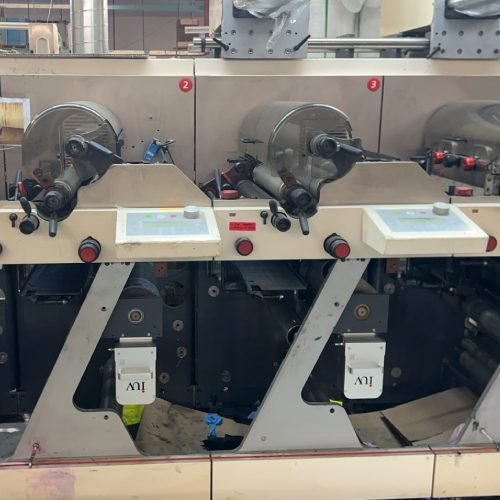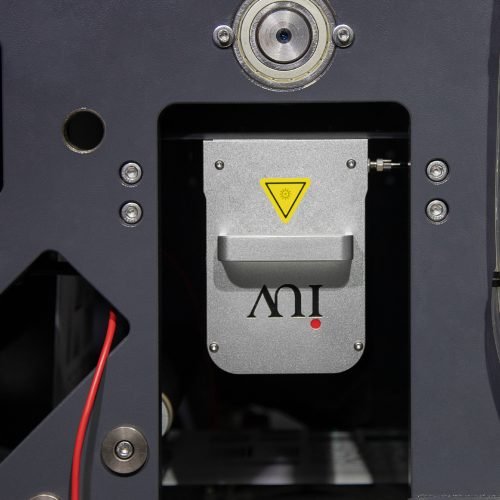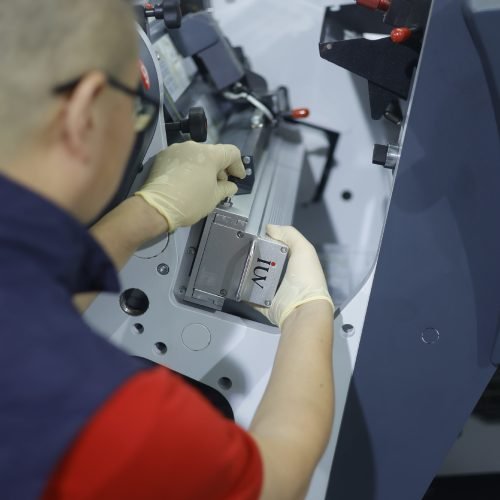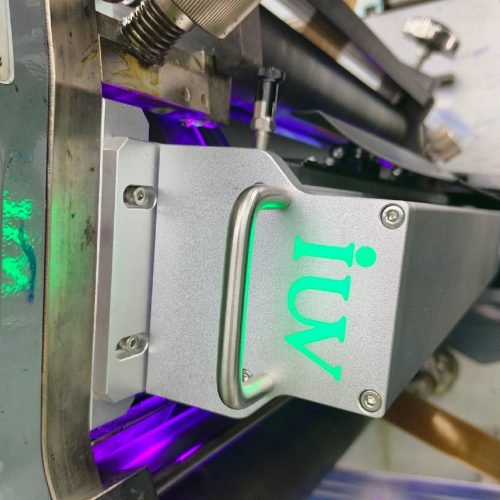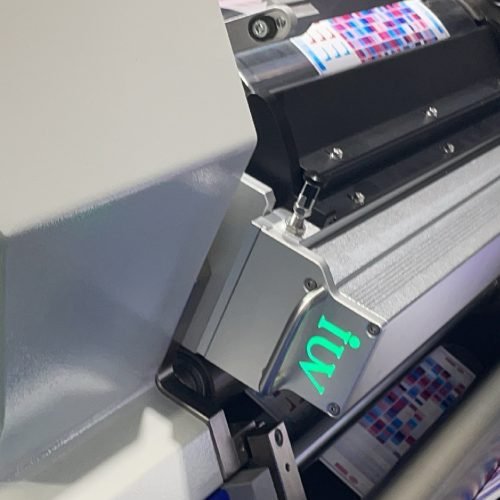
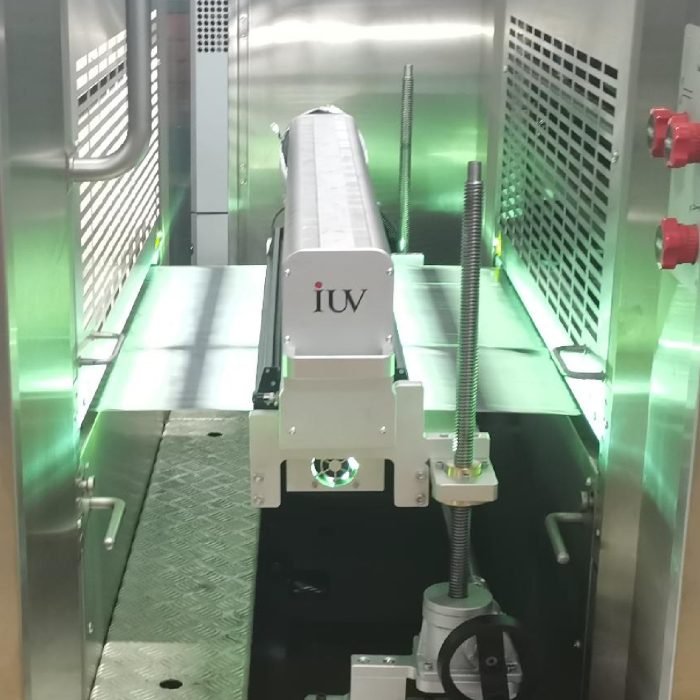
Achieving and maintaining precise color consistency throughout extended flexographic printing runs is a persistent challenge. This is especially true in the demanding label printing sector, where brand colors must be exact with every impression. Fortunately, advancements in UV curing technology, particularly automated UV systems, offer a powerful solution. By precisely controlling the curing process, these systems dramatically improve color fidelity, reduce waste, and boost overall print quality, even on the longest production cycles.
The Challenge of Color Consistency in Flexo
Flexographic printing, a workhorse for packaging and labels, relies on flexible relief plates to transfer ink to the substrate. While versatile and cost-effective, it presents unique hurdles for color accuracy. Factors like ink viscosity, transfer rate from the anilox roll, impression pressure, and drying conditions all play a critical role. During a long run, slight variations in any of these can lead to noticeable color drift. This means colors might start out perfect but gradually shift warmer, cooler, lighter, or darker as the press keeps running. This inconsistency is unacceptable for brands that depend on their visual identity remaining uniform across all printed materials.
The Role of UV Curing in Flexo
UV curing, or ultraviolet curing, involves using UV light to instantly solidify (cure) inks, coatings, and adhesives. Unlike conventional solvent-based inks that rely on evaporation, UV inks contain photoinitiators that react to UV light, initiating a rapid polymerization process. This offers several advantages:
- Instant Drying: Cured ink is immediately dry to the touch, preventing smudging and allowing for faster processing speeds.
- Reduced VOCs: UV inks emit minimal to no volatile organic compounds (VOCs), contributing to a healthier work environment and reduced environmental impact.
- Superior Ink Properties: UV inks generally offer better rub resistance, chemical resistance, and brighter colors than many conventional inks.
However, simply using UV inks isn’t a complete solution for color consistency. The way the UV light is applied significantly impacts the final outcome.
Enter UV Automation: Precision Control for Predictable Results
Automated UV curing systems bring a new level of control to the printing process. These systems move beyond simple on/off functionality. They integrate sensors, sophisticated control software, and precise lamp output adjustments. This automation tackles color consistency head-on by addressing key variables:
1. Consistent Energy Delivery
The amount of UV energy (measured in millijoules per square centimeter, mJ/cm²) delivered to the ink is paramount. Too little energy, and the ink won’t cure properly, leading to poor adhesion and potential color changes. Too much energy can cause photo-degradation of the ink or substrate, again affecting color. Automated UV systems can:
- Maintain Constant Lamp Output: Integrated sensors monitor the UV lamp output and automatically adjust power to compensate for aging lamps or voltage fluctuations. This ensures a consistent energy dose regardless of press speed or duration of the run.
- Precise Wavelength Control: Modern UV LED systems offer specific wavelengths that are optimized for the photoinitiators in the ink. Automated systems ensure these specific wavelengths are delivered consistently, leading to more complete and predictable curing.
2. Temperature Management
Excessive heat generated by UV lamps can impact both the substrate and the ink. High temperatures can cause:
- Substrate Shrinkage or Deformation: Particularly problematic for sensitive films and papers, leading to registration issues and inconsistent print quality.
- Ink Properties Alteration: Heat can subtly alter the color pigments or binder properties of the ink before or during curing, causing color shifts.
Automated UV systems incorporate advanced cooling mechanisms (air or water) and intelligent temperature monitoring. They can automatically adjust airflow or lamp power to maintain an optimal substrate temperature, preventing heat-induced color variations.
3. Optimized Curing Zones and Exposure Times
Different colors, inks, and substrates may require different curing profiles. Automated UV systems can be configured with multiple curing zones, allowing for tailored energy delivery. This means:
- Zone Control: The system can deliver a specific UV dose to one color station and a different dose to another, optimizing cure for each ink layer.
- Integration with Press Speed: The automation seamlessly links UV exposure to press speed. As the press speeds up or slows down, the system automatically adjusts the lamp output or dwell time to maintain the correct energy dose for effective curing. This is crucial for long runs where speed might vary.
4. Reduced Operator Dependency
Manual adjustment of UV lamps is prone to human error and subjective interpretation. An automated system removes this variable. Once programmed, the system operates consistently, ensuring that the curing parameters are replicated perfectly from the first meter of the run to the last. This reduces the need for constant operator intervention to monitor and adjust UV output, freeing them to focus on other critical aspects of the print job.
Benefits for Label Printing and Narrow Web Presses
The implications for narrow web label printers are profound:
- Unwavering Brand Color Fidelity: Imagine printing millions of labels, and the PMS color remains identical on the first and the millionth label. Automated UV systems make this a reality, safeguarding brand integrity.
- Minimized Waste and Rework: Color drift is a major cause of spoiled print. By ensuring consistent curing, automated UV systems drastically reduce the incidence of out-of-spec color, saving on ink, substrate, and valuable press time.
- Enhanced Print Durability: Proper and consistent UV curing leads to superior ink adhesion, scratch resistance, and chemical resistance. This is vital for labels that will endure challenging conditions.
- Flexibility in Substrates and Inks: With precise control, printers can confidently use a wider range of substrates, including sensitive films, and experiment with different UV ink formulations, knowing the curing process will be optimized and consistent.
- Higher Throughput: Because UV curing is instant and automated systems optimize the process, presses can often run at higher, more consistent speeds without compromising color quality, leading to increased productivity.
The Future is Automated UV
As the printing industry, especially narrow web and label printing, continues to demand higher quality, greater efficiency, and more complex designs, the role of automation in UV curing becomes indispensable. LED UV technology, in particular, offers advantages in energy efficiency, long lifespan, and instant on/off capability, which further enhances the benefits of automation.
By investing in automated UV curing systems, printers are not just buying equipment; they are investing in a predictable, repeatable, and high-quality printing process. This technology provides the robust control needed to ensure that every single label, no matter how far down the roll, meets the exact color standards set by the brand. It’s a critical step towards eliminating color guesswork and embracing a new era of precision in flexographic printing.