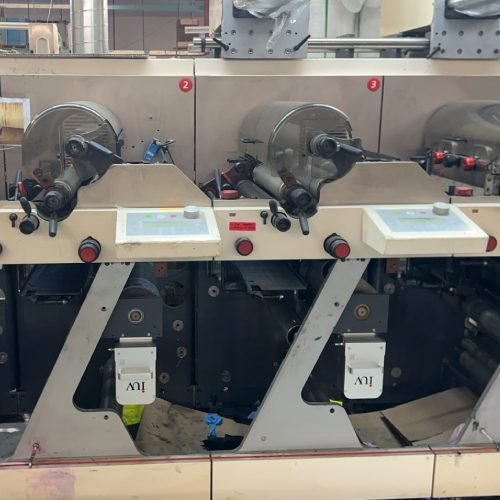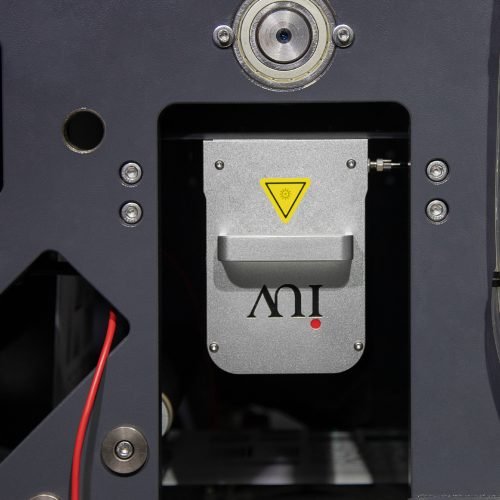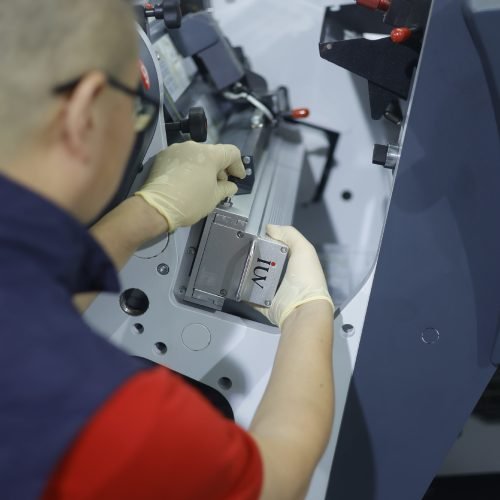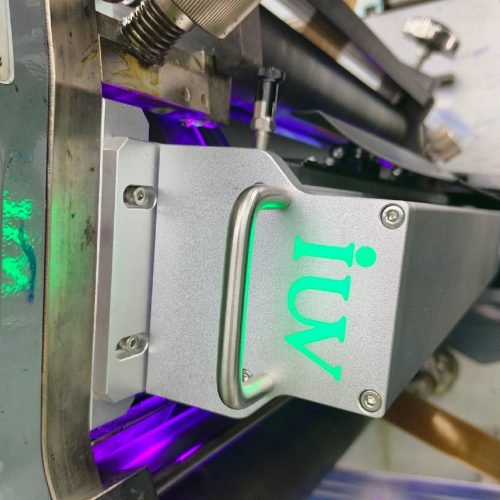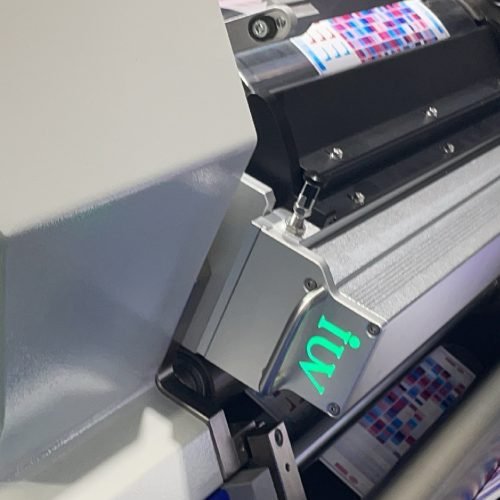
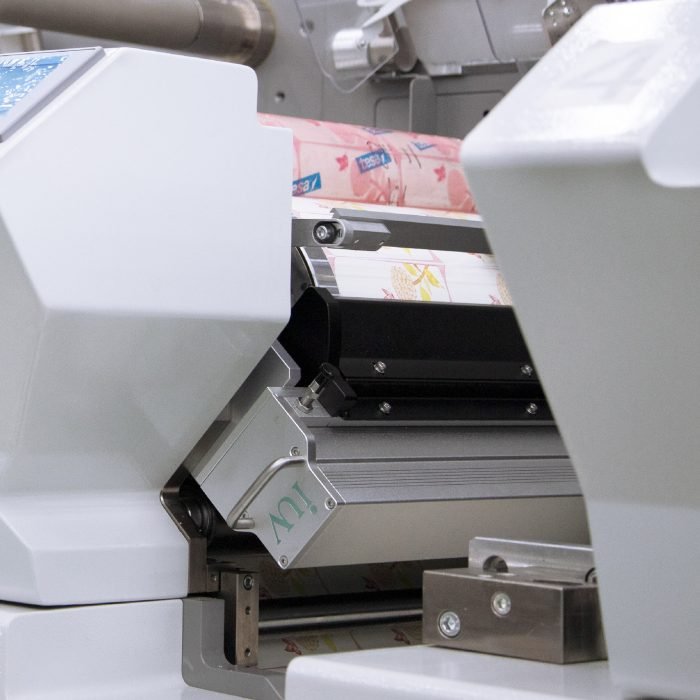
Flexographic printing, often simply called flexo, has long been a cornerstone of the packaging and label industries. Its versatility and cost-effectiveness make it a preferred choice for a wide range of applications. However, in today’s competitive market, the relentless pursuit of higher production speeds is paramount. Manufacturers are constantly seeking ways to increase output without compromising quality. One of the most significant advancements in recent years that directly addresses this need is the integration of high-intensity LED UV curing systems. This technology offers a powerful solution for accelerating the printing process in flexographic operations.
The traditional approach to UV curing in flexo printing often involved mercury vapor lamps. While these lamps have served the industry well for decades, they come with inherent limitations, particularly when it comes to speed and efficiency. Mercury lamps require a warm-up period, consume a considerable amount of energy, and generate significant heat. This heat can be a limiting factor, especially on heat-sensitive substrates common in label printing. Furthermore, the spectral output of mercury lamps can vary, leading to inconsistencies in cure.
High-intensity LED UV curing systems represent a paradigm shift. Light Emitting Diodes (LEDs) offer a focused and consistent spectral output, typically in the UVA range, which is highly effective for initiating the polymerization process in UV-curable inks, coatings, and adhesives. The “high-intensity” aspect is crucial. These advanced LED systems are engineered to deliver a significantly higher irradiance – the power of light per unit area – compared to their predecessors. This increased power directly translates into faster curing speeds.
The Science Behind Faster Curing
Understanding how UV curing works provides insight into why high-intensity LEDs are so effective. UV-curable inks and coatings contain photoinitiators. When these photoinitiators are exposed to UV light of the appropriate wavelength, they absorb photons and break down into reactive species, such as free radicals or cations. These reactive species then initiate a rapid chain reaction, polymerizing the liquid ink or coating into a solid, cured film.
The speed of this polymerization process is directly influenced by the intensity of the UV light. Higher intensity means more photons are delivered to the photoinitiators in a given amount of time. This accelerates the initiation and propagation steps of the polymerization chain reaction. With high-intensity LED systems, the irradiance can be so powerful that it achieves a complete cure in fractions of a second, even at very high press speeds. This is a stark contrast to older technologies that might require longer exposure times, thus limiting the press speed.
Benefits for Narrow Web and Label Printing
The narrow web printing sector, which includes the vast majority of label production, is particularly well-suited for high-intensity LED UV curing. Labels often require vibrant colors, sharp details, and durable finishes, all while being printed on a wide array of substrates, including thin films and paper stocks that can be sensitive to heat.
The advantages of high-intensity LEDs in this context are manifold:
- Increased Press Speeds: This is the headline benefit. By enabling faster curing, presses can run at significantly higher linear speeds. This means more labels produced per hour, leading to increased throughput and reduced per-unit costs. Imagine a label printer that could previously run at 100 meters per minute; with optimized LED curing, they might achieve 150 or even 200 meters per minute, depending on the ink system and complexity of the job.
- Reduced Heat Generation: Unlike mercury lamps, LEDs emit light in a very narrow spectrum and produce minimal infrared (IR) radiation. This means they generate very little heat. This is critically important for printing on heat-sensitive materials like thin polyethylene films, some types of paper, or shrink sleeves, where excessive heat from lamps could cause distortion, warping, or even degradation of the substrate.
- Energy Efficiency: LEDs are far more energy-efficient than mercury lamps. They convert a much higher percentage of electrical energy into UV light, with less wasted as heat. This translates into lower electricity bills for the printing operation. They also consume power only when the printing units are active, unlike mercury lamps that require continuous power to maintain their operating temperature.
- Instant On/Off: LEDs reach their full intensity immediately upon activation and turn off instantly. This eliminates the warm-up and cool-down times associated with mercury lamps. This not only saves energy but also reduces setup times and waste during job changes, as the curing units are ready to go at full power without delay.
- Longer Lamp Life and Consistency: LED arrays have a significantly longer operational lifespan compared to mercury lamps, often rated in tens of thousands of hours. This reduces downtime for lamp replacements and ensures a more consistent spectral output over time. This consistency is vital for maintaining color fidelity and cure performance across long print runs and between different jobs.
- Compact Size and Integration: LED curing units are often more compact than traditional arc lamp systems. This allows for easier integration into existing flexo presses, including retrofits, and can provide more flexibility in press design for new equipment. They can be positioned closer to the printing stations, further enhancing curing efficiency.
Optimizing Ink and Substrate Compatibility
While high-intensity LEDs offer substantial advantages, successful implementation requires careful consideration of the ink and substrate. Not all UV-curable inks are formulated to cure optimally under LED light. The photoinitiator package within the ink must be specifically designed to absorb UV light at the wavelengths emitted by the LEDs. Most modern UV ink manufacturers now offer formulations specifically for LED curing, often featuring enhanced photoinitiator systems that respond rapidly to the high-intensity LED output.
When selecting inks, it’s important to consult with the ink supplier. They can recommend products that are optimized for LED curing and will achieve a full cure at the desired press speeds. Factors to consider include:
- Photoinitiator System: Ensure the ink contains photoinitiators sensitive to the specific LED wavelength (typically 365 nm, 385 nm, 395 nm, or 405 nm).
- Pigment Load: High pigment loads can sometimes impede UV light penetration. Inks designed for LED curing often incorporate photoinitiators that are more efficient or are strategically placed to overcome this.
- Ink Film Thickness: The thickness of the ink layer applied will influence how easily the UV light can reach the bottom layers for a complete cure.
Similarly, substrate choice plays a role. While LEDs are less heat-generating, very thin or highly sensitive substrates may still require careful management of press speeds and potentially chilled rollers, though this is far less common than with mercury lamps. The ability to cure quickly at lower temperatures is a significant advantage for a broad range of flexible packaging and label materials.
Integration into Flexo Presses: Considerations and Best Practices
Integrating high-intensity LED UV curing systems into flexo presses, whether new builds or retrofits, involves several considerations:
- Power Requirements: High-intensity LED systems draw more electrical power than traditional UV units. Ensure the press and the facility’s electrical infrastructure can support the increased demand.
- Cooling: While LEDs produce less heat, the high-power electronics driving them still require effective cooling. This is typically managed through internal fans or sometimes water cooling for very high-power arrays. Proper ventilation and maintenance of the cooling systems are essential for longevity.
- Placement: The placement of the LED curing units is critical. They should be positioned as close as possible to the printing stations to minimize the distance light has to travel and to ensure the ink is cured before it contacts subsequent rollers or the impression cylinder. For multi-color printing, inter-deck curing is standard, where a curing unit is placed between each printing station.
- Wavelength Selection: While many LEDs operate in the 365-405 nm range, specific applications might benefit from a particular wavelength. Consult with the equipment and ink suppliers to determine the optimal wavelength for your inks and desired cure characteristics.
- Maintenance and Monitoring: While LEDs are durable, regular cleaning of the LED heads and monitoring of their performance are still necessary. Many systems come with built-in diagnostics to alert operators to any issues.
Beyond Speed: Other Advantages of LED Curing
While increasing production speed is the primary driver, the benefits of high-intensity LED UV curing extend further:
- Improved Print Quality: The rapid and consistent cure achieved with LEDs can lead to sharper dot definition and better ink adhesion, contributing to higher overall print quality.
- Reduced VOC Emissions: UV-curable inks, by their nature, contain little to no volatile organic compounds (VOCs), making them an environmentally friendly printing option. LED curing fully leverages this benefit by enabling efficient curing of these low-VOC formulations.
- Wider Application Range: The ability to cure on heat-sensitive substrates opens doors to printing on a broader range of materials, expanding the application possibilities for flexographic printers. This includes specialized packaging, in-mold labels, and certain types of functional coatings.
The Future of Flexo Printing and Curing
The trend towards higher speeds, greater efficiency, and improved sustainability in printing is undeniable. High-intensity LED UV curing technology is at the forefront of this evolution for flexographic printing. As the technology matures and ink formulations continue to advance, we can expect even greater integration and adoption. For label printers and packaging converters looking to boost productivity, enhance quality, and reduce their environmental footprint, investing in high-intensity LED UV curing is no longer just an option; it is becoming a strategic imperative for staying competitive in the global marketplace. The ability to achieve faster throughput while maintaining excellent print quality on a diverse range of substrates positions businesses for success in the demanding world of modern printing.