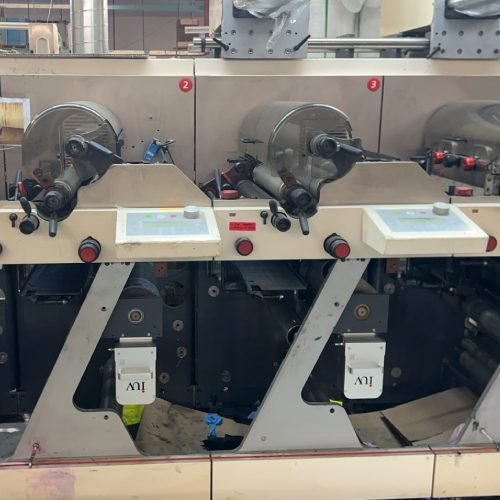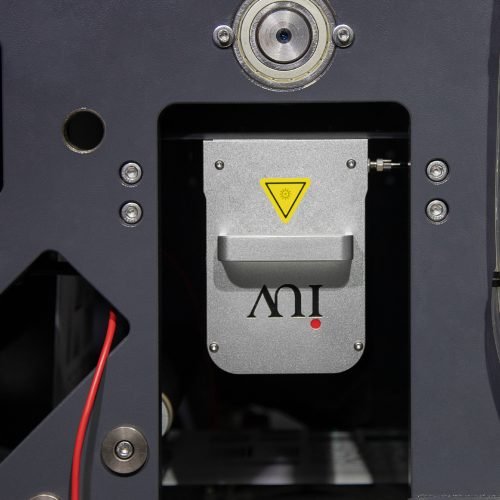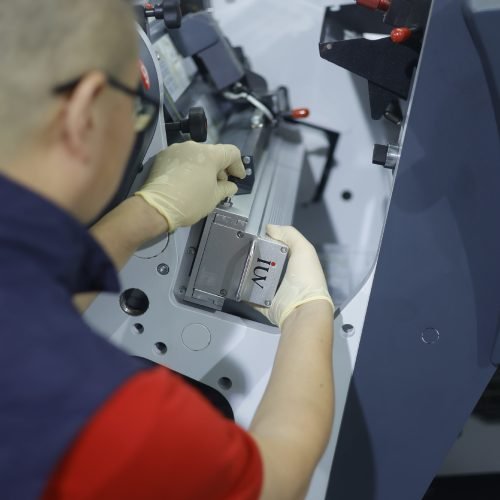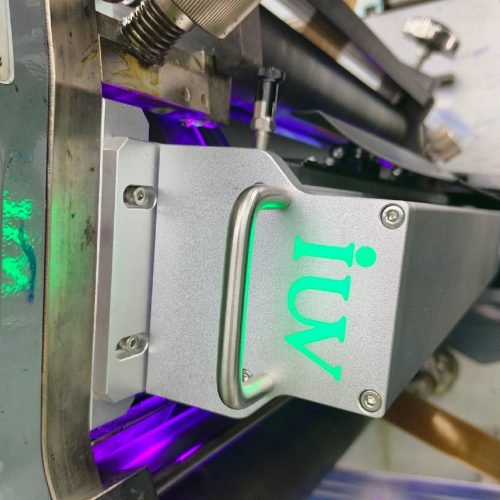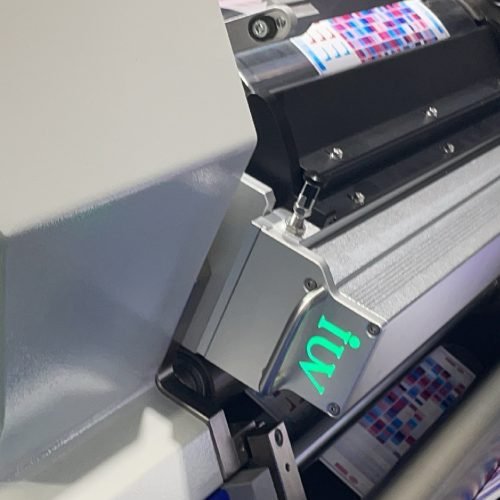
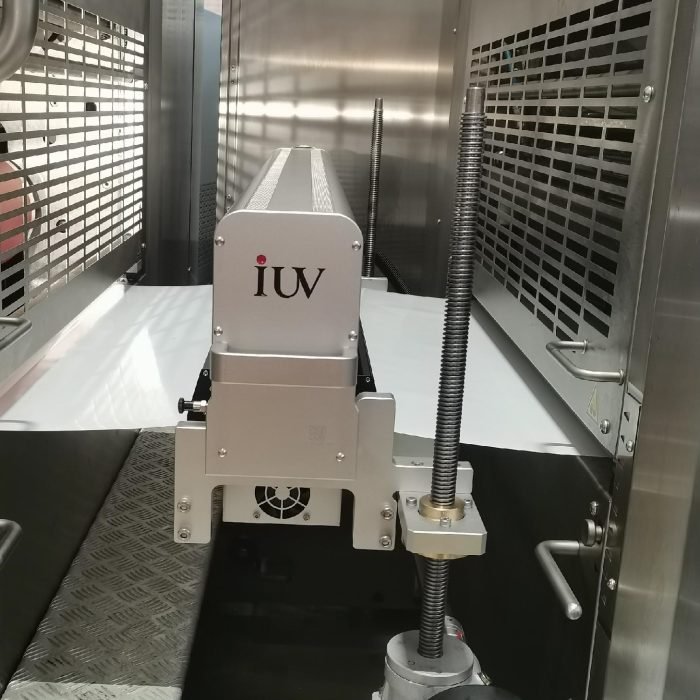
Printing labels today demands flexibility and speed. Manufacturers are constantly seeking ways to enhance their capabilities and meet diverse customer needs. Hybrid presses, combining digital and flexographic printing technologies, offer a compelling solution. Now, the integration of automated UV curing systems is taking this innovation even further, especially for narrow-web label production. This advancement is not just about adding a feature; it’s a strategic move to optimize workflows, improve quality, and unlock new market opportunities.
The Rise of Hybrid Printing in Label Production
Hybrid printing presses are designed to leverage the strengths of both digital and flexographic printing. Digital printing excels at short runs, variable data printing, and rapid prototyping, offering incredible customization and quick turnaround times. Flexographic printing, on the other hand, remains a powerhouse for long runs, providing high speeds, excellent ink transfer, and a wide array of color and effect options.
By merging these two technologies on a single platform, printers can achieve a truly versatile production environment. Imagine printing a base layer with flexo for vibrant, consistent colors, then switching to digital for personalized information, sequential numbering, or intricate graphics. This hybrid approach streamlines the entire process, reducing setup times and material waste that would occur if separate machines were used. It’s a game-changer for label converters who need to serve a broad spectrum of clients, from craft brewers needing small, eye-catching runs to large corporations requiring consistent brand messaging across millions of labels.
Understanding UV Curing in the Printing Process
UV curing is a photopolymerization process that uses ultraviolet light to instantly dry or “cure” inks, coatings, and adhesives. When exposed to UV light, photoinitiators within the ink formulation absorb the UV energy and trigger a rapid chemical reaction. This reaction causes the ink to cross-link and solidify almost instantaneously, forming a durable, finished layer.
The benefits of UV curing are numerous and directly address many challenges faced in label printing:
- Instant Drying: Unlike conventional solvent-based or water-based inks that require evaporation and drying time, UV inks cure in fractions of a second. This means labels can be handled, stacked, or further processed immediately after printing, dramatically increasing line speed and reducing the need for large drying areas.
- Enhanced Durability: UV-cured inks and coatings are known for their exceptional resistance to abrasion, chemicals, and fading. This is vital for labels that will be exposed to harsh environments, such as those on cleaning products, automotive parts, or outdoor equipment.
- Vibrant Color Reproduction: UV inks often provide brighter, more opaque colors compared to conventional inks. This allows for a wider color gamut and sharper detail, crucial for premium packaging and branding.
- Environmental Advantages: UV inks contain very low or no volatile organic compounds (VOCs), contributing to a cleaner working environment and reduced environmental impact.
- Substrate Versatility: UV inks can cure on a wide range of substrates, including non-porous materials like plastic films, foils, and certain plastics, which are common in label applications.
The Power of Automated UV Systems
While UV curing itself is a powerful technology, its true potential is unlocked through automation. Automated UV systems on hybrid presses ensure precise control over the curing process, leading to consistent quality and maximum efficiency.
These systems typically involve multiple UV lamps strategically placed along the press. Automation allows for:
- Precise Lamp Control: Automated systems can precisely control the intensity and exposure time of the UV lamps for each print station. This is critical because different inks, coatings, and even colors may require slightly different curing parameters. For example, a thick layer of opaque white ink might need more intense UV exposure than a thin layer of clear varnish.
- Energy Management: Modern automated UV systems, especially those using LED UV technology, offer sophisticated energy management. They can be programmed to turn on and off automatically based on whether the press is running or idling, saving significant energy and extending lamp life. This also reduces heat build-up on the substrate and in the print shop.
- Integration with Press Controls: Automation means the UV curing units are fully integrated into the press’s central control system. Operators can adjust settings, monitor performance, and troubleshoot issues directly from the press console, simplifying operation and reducing the need for manual intervention.
- Consistent Application: Automated systems ensure that the UV light is applied uniformly across the entire web width. This eliminates variations in cure that could lead to inconsistent print quality, gloss levels, or adhesion problems.
Integrating Automated UV into Hybrid Digital–Flexo Presses
The synergy of hybrid printing and automated UV curing creates a formidable production solution for the narrow-web label market. Here’s how this integration works and its specific advantages:
1. Pre-treatment and Digital Printing Stations
In a hybrid setup, digital printing often comes before flexographic stations, or vice versa, depending on the specific press configuration and job requirements. Automated UV systems can be placed immediately after the digital print stations. This is particularly beneficial for:
- Securing Digital Ink: Digital inks, especially UV-curable inkjet inks, require immediate curing. An automated UV unit placed directly after the digital print head ensures that the ink is instantly solidified, preventing smudging or transferring onto subsequent rollers or the impression cylinder.
- Enabling Multi-Pass Digital Effects: Some advanced digital printing techniques involve multiple passes of ink or special effect varnishes. Automated UV curing between these passes allows for building up textures or metallic effects reliably.
2. Flexographic Printing Stations
When flexographic units are involved, automated UV systems play a crucial role in managing the entire print stack:
- Inter-Deck Curing: This is one of the most common and powerful applications. A UV lamp unit is placed between each flexographic print station. This allows each ink color or coating to be fully cured before the next color is applied. This is essential for achieving high color vibrancy and preventing ink trapping issues, where wet inks from one station mix undesirably with the next. Inter-deck UV curing enables printers to:
- Print Opaque Whites or Specialty Inks: Curing a white ink layer first allows for subsequent colors to appear brighter and truer, even on clear or dark substrates.
- Achieve Smooth Gradations and Solids: By curing each layer individually, printers can maintain sharper transitions and more uniform solid areas.
- Use Special Effect Inks: Metallic, pearlescent, or fluorescent inks can be effectively applied and cured without smearing.
- Final Curing: A final UV curing unit is typically positioned at the end of the print deck. This unit ensures that the entire ink stack and any applied coatings are thoroughly cured, providing the final durability and resistance properties required for the label.
3. Overprint Varnishes and Specialty Coatings
Hybrid presses can seamlessly integrate stations for applying overprint varnishes, matte coatings, or high-gloss finishes. Automated UV systems are indispensable here:
- High-Gloss Finishes: Applying a UV-curable high-gloss varnish with a final UV cure can create a premium, eye-catching effect that stands out on the shelf.
- Protective Coatings: Automated UV curing ensures that protective coatings provide robust resistance against scuffs, chemicals, and UV radiation (sunlight), extending the life and appeal of the label.
- Specialty Effects: With UV technology, printers can apply textured varnishes, soft-touch coatings, or even raised spot UV effects, adding tactile and visual dimensions to labels. The precision of automated curing is key to achieving these sophisticated finishes.
The Role of LED UV Technology
The evolution of UV curing technology, particularly the advent of LED UV lamps, has significantly enhanced the integration process for hybrid presses.
- Lower Heat Emission: LED UV lamps generate significantly less heat than traditional mercury vapor lamps. This is crucial for narrow-web presses, especially when printing on heat-sensitive substrates like thin films or certain papers. Reduced heat also means less stress on the press components and a more stable printing environment.
- Instant On/Off: LEDs switch on and off instantaneously, which is perfect for the stop-start nature of some printing processes or for jobs with frequent color changes. This also contributes to energy savings as they consume power only when actively curing.
- Longer Lifespan and Stability: LED lamps have a much longer operational lifespan than mercury lamps and provide consistent UV output throughout their life, reducing downtime for replacements and ensuring consistent curing performance over time.
- Compact Design: LED UV systems are often more compact, making them easier to integrate into the limited space available on narrow-web hybrid presses.
Benefits of Integrated Automated UV Systems
The combination of hybrid printing and automated UV curing offers tangible advantages for label printers:
- Increased Throughput: Instant curing eliminates drying bottlenecks, allowing presses to run at their maximum mechanical speed. This directly translates to more labels produced per hour.
- Enhanced Quality and Consistency: Precise control over UV intensity and exposure at each stage ensures consistent ink density, color registration, adhesion, and finish across the entire production run.
- Expanded Substrate Capabilities: The ability to cure instantly on a wide range of materials, including plastics, foils, and delicate papers, opens up new market segments and product applications.
- Improved Operational Efficiency: Reduced setup times, less waste, and simplified operation through integrated controls contribute to a more efficient and profitable workflow.
- Cost Savings: Energy efficiency of LED UV, reduced waste from print errors, and elimination of the need for drying equipment contribute to lower operational costs.
- Versatile Finishing Options: The ability to apply and cure specialty inks and coatings on-press allows for the creation of high-value labels with unique tactile and visual appeal, commanding premium pricing.
Conclusion
For label printers navigating the complexities of modern market demands, the integration of automated UV curing systems into hybrid digital–flexo presses is not merely an upgrade but a strategic imperative. This powerful combination addresses the need for speed, flexibility, and quality. By harnessing the instantaneous curing power of UV light, precisely controlled by automated systems, and enhanced by energy-efficient LED technology, printers can unlock new levels of productivity, broaden their service offerings, and deliver superior label products. The future of label printing is efficient, versatile, and undeniably bright, illuminated by the innovation of integrated automated UV curing.