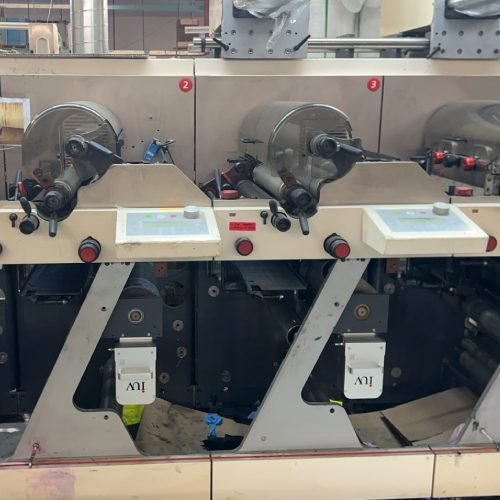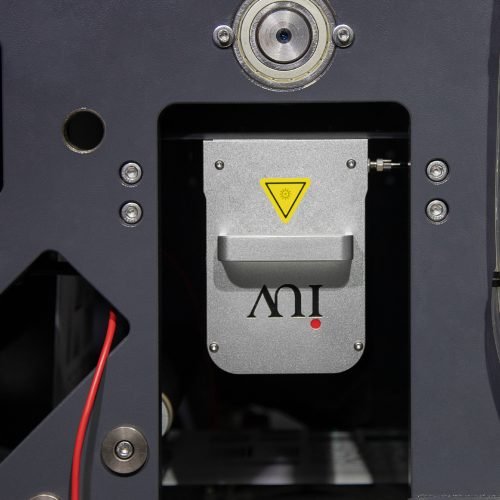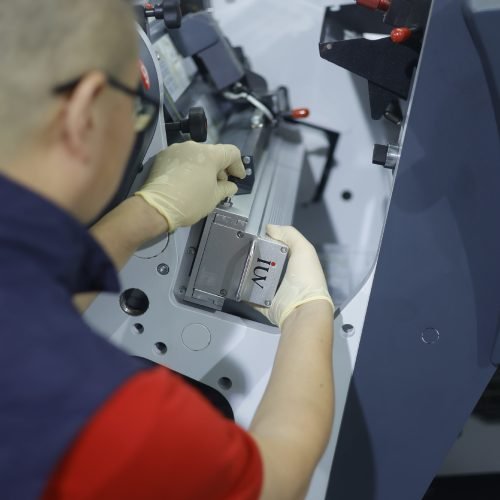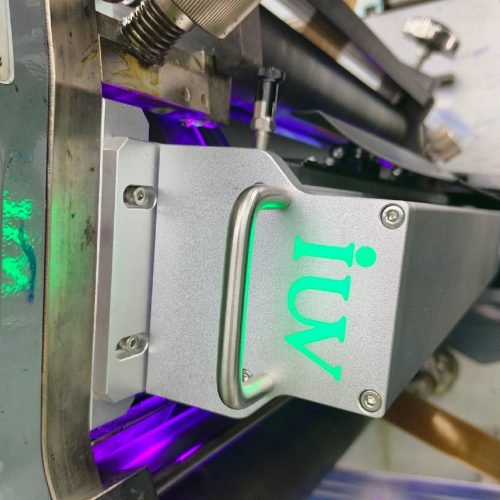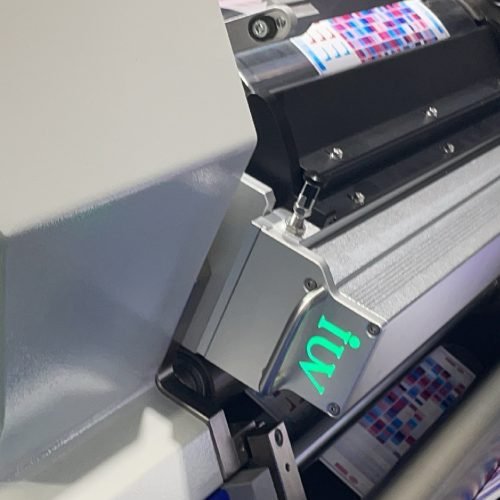
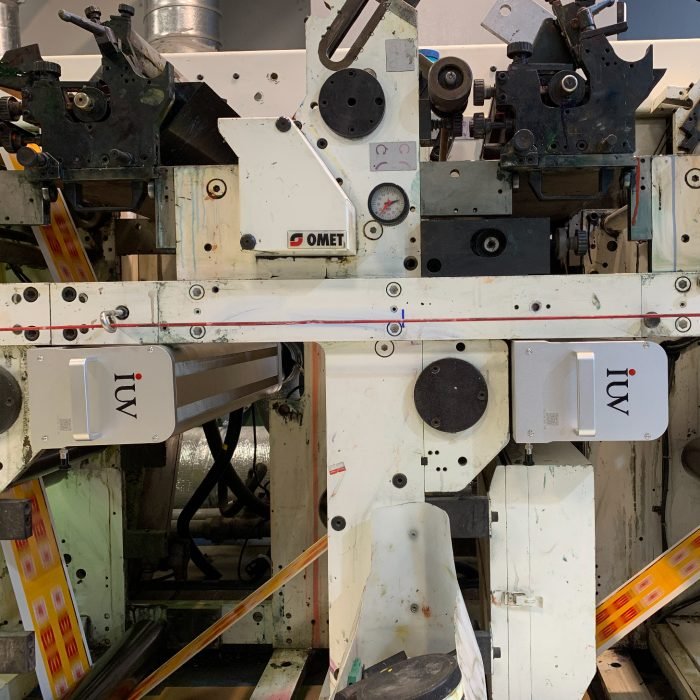
The world of narrow-web flexographic printing is constantly evolving, driven by demands for faster production, enhanced quality, and greater sustainability. A significant advancement in this arena is the integration of LED UV curing systems. This technology offers distinct advantages over traditional mercury vapor lamps, including reduced energy consumption, longer lifespan, and a cooler operating temperature, which is particularly beneficial for heat-sensitive substrates common in label printing. However, retrofitting an existing narrow-web flexo press with an LED UV system requires careful consideration to ensure a smooth transition and optimal performance.
Understanding LED UV Curing Technology
Before delving into the integration process, it’s important to grasp the fundamental differences between LED UV and conventional mercury vapor lamps. Mercury lamps emit a broad spectrum of UV light, including heat-generating infrared radiation. LED UV systems, on the other hand, utilize light-emitting diodes to produce UV light at specific wavelengths. This targeted output means more energy is directed towards curing the ink, leading to greater efficiency and less wasted heat. For narrow-web flexo presses, this translates to sharper print definition and the ability to run at higher speeds without compromising ink adhesion or substrate integrity.
Key Considerations for Integration
Integrating LED UV systems into existing narrow-web flexo presses isn’t a simple plug-and-play operation. Several critical factors need thorough evaluation.
Press Compatibility and Mechanical Modifications
The first step involves assessing the mechanical compatibility of the press. Older presses may not have the structural rigidity or space to accommodate the new LED UV curing units. The physical dimensions of the LED lamps, power supplies, and control systems must be carefully measured against the available space within the press frame, particularly between print stations and at the end of the line.
Modifications might be necessary to ensure proper mounting of the curing units. This could involve fabricating custom brackets or altering existing press components. Furthermore, the press’s electrical system must be capable of handling the power requirements of the LED UV system. This often necessitates an upgrade to the main power supply and wiring to prevent overloading and ensure stable operation. The air circulation and exhaust systems might also require adjustments, as LED UV systems, while cooler than mercury lamps, still generate some heat that needs to be managed.
Substrate and Ink Selection
The choice of substrates and inks is paramount. LED UV curing systems are designed to cure specific ink formulations that are sensitive to particular wavelengths of UV light. While traditional UV inks are designed for mercury lamps, they may not cure efficiently with LED UV. Therefore, sourcing or formulating inks specifically designed for LED UV curing is essential. These inks typically feature photoinitiators that react effectively to the narrow wavelength output of LEDs.
The variety of substrates used in narrow-web printing, from paper and film to sensitive plastics, presents another challenge. While LED UV systems generally produce less heat, it’s still crucial to consider the thermal stability of the substrate. For highly sensitive materials, such as thin films or certain plastics, the residual heat from the LED lamps, even if minimal, could cause distortion or affect print quality. Selecting appropriate ink and substrate combinations that are compatible with LED UV curing is a non-negotiable aspect of a successful integration.
Power Requirements and Electrical Infrastructure
LED UV systems, despite their energy efficiency compared to mercury lamps, still draw significant power. A detailed audit of the existing electrical infrastructure is necessary. This includes checking the capacity of the main power supply, the current electrical panels, and the condition of the wiring. Many older narrow-web flexo presses were not originally designed to accommodate the power demands of modern curing technologies.
It’s likely that an upgrade to the electrical system will be required. This might involve installing a new, higher-capacity circuit breaker, upgrading the main power feed to the press, or even increasing the building’s overall electrical service. Proper grounding and surge protection are also critical to safeguard the sensitive electronics of the LED UV system and the press itself. Consulting with a qualified electrician experienced in industrial machinery is highly recommended to ensure the installation is safe and compliant with all relevant codes.
Ventilation and Heat Management
While LED UV systems are renowned for their low heat output, effective ventilation remains a crucial consideration. The curing process, even with LEDs, generates some heat. This heat can accumulate within the press and affect not only the printed product but also the press components and the surrounding environment. Proper airflow is needed to dissipate this heat and maintain optimal operating temperatures.
This might involve upgrading or installing dedicated exhaust systems to remove heat and any potential volatile organic compounds (VOCs) released during the curing process, although LED UV inks typically have very low VOCs. The design of the ventilation should consider the specific placement of the LED UV units within the press. Ensuring adequate space around the lamps for airflow and efficient heat removal is a design element that should not be overlooked.
Curing Performance and Quality Control
The ultimate success of integrating LED UV systems hinges on achieving excellent curing performance and consistent print quality. This requires meticulous calibration and testing. The intensity and wavelength of the LED lamps must be matched to the specific ink formulation and the desired curing speed. Manufacturers of LED UV systems provide guidelines, but on-press testing is vital.
This involves running test prints with different ink densities, speeds, and exposure times to determine the optimal settings. Key quality control parameters to monitor include rub resistance, adhesion, gloss levels, and the absence of any uncured ink. For label printing applications, ensuring complete cure is vital for the durability and functionality of the final product, especially when it comes to applications like food packaging where migration is a concern. Implementing robust quality control procedures from the outset will prevent issues down the line.
Benefits of LED UV Integration
Despite the challenges, the benefits of successfully integrating LED UV systems into existing narrow-web flexo presses are substantial.
Energy Efficiency and Reduced Operating Costs
One of the most significant advantages is the drastic reduction in energy consumption. LED UV lamps consume considerably less power than traditional mercury vapor lamps. This translates directly into lower electricity bills, making the operation more cost-effective over time. The longer lifespan of LED modules also reduces maintenance and replacement costs associated with bulb changes.
Environmental Advantages and Sustainability
LED UV technology is inherently more environmentally friendly. The reduced energy consumption contributes to a smaller carbon footprint. Furthermore, LED lamps do not contain mercury, eliminating the hazardous waste associated with disposal of mercury vapor lamps. Many LED UV inks also offer lower VOC content compared to conventional inks, further enhancing the environmental profile of the printing process.
Improved Print Quality and Versatility
The precise wavelength output of LED UV systems leads to more consistent and efficient curing. This often results in sharper print details, better ink adhesion, and improved rub resistance. The lower heat output also allows for printing on a wider range of heat-sensitive substrates, expanding the application possibilities for narrow-web flexo printers, including those in the demanding label and flexible packaging sectors.
Enhanced Operator Safety and Comfort
The reduced heat output and the absence of ozone production (which is common with mercury lamps) create a safer and more comfortable working environment for press operators. The cooler operating temperature around the press can also contribute to the longevity of other press components.
Conclusion
Integrating LED UV systems into existing narrow-web flexo presses represents a significant upgrade for label printers and converters. While it requires careful planning, mechanical assessment, and potentially electrical upgrades, the long-term benefits in terms of energy savings, environmental impact, print quality, and operational versatility are compelling. By thoroughly addressing the key considerations outlined above, printers can successfully transition to this advanced curing technology, positioning themselves for greater efficiency and competitiveness in the evolving print market.