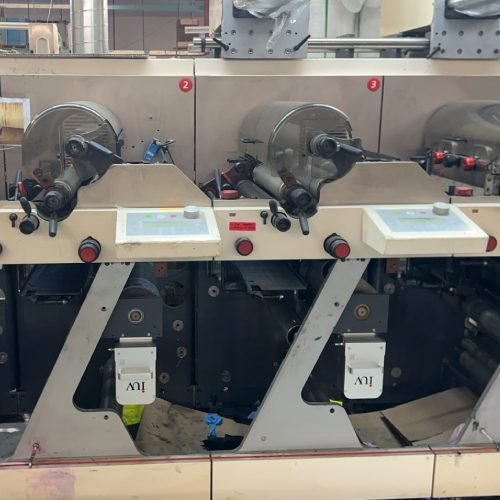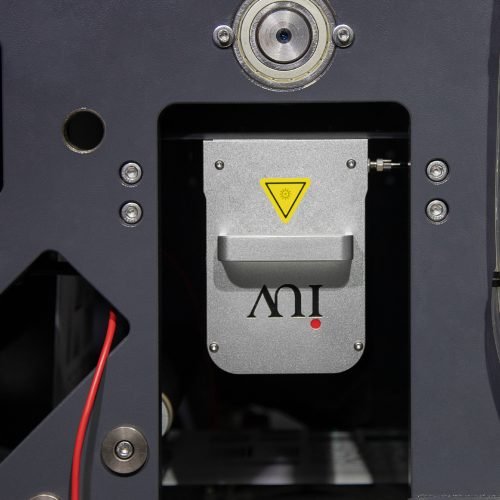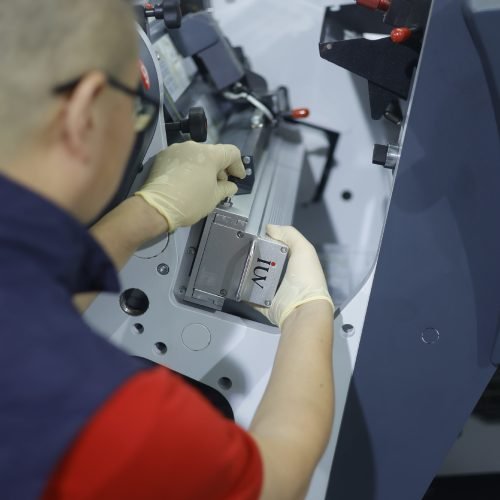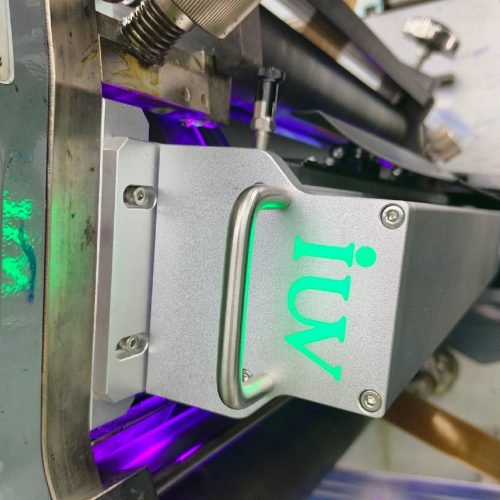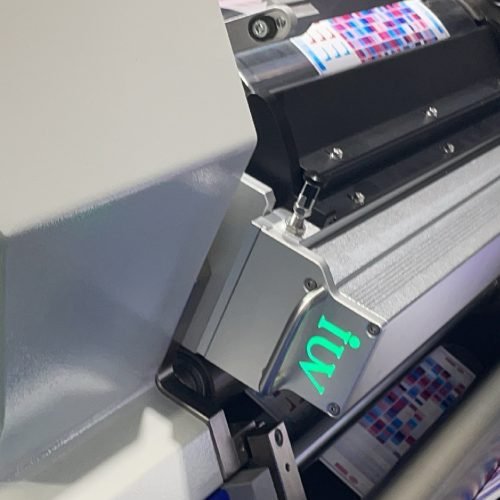
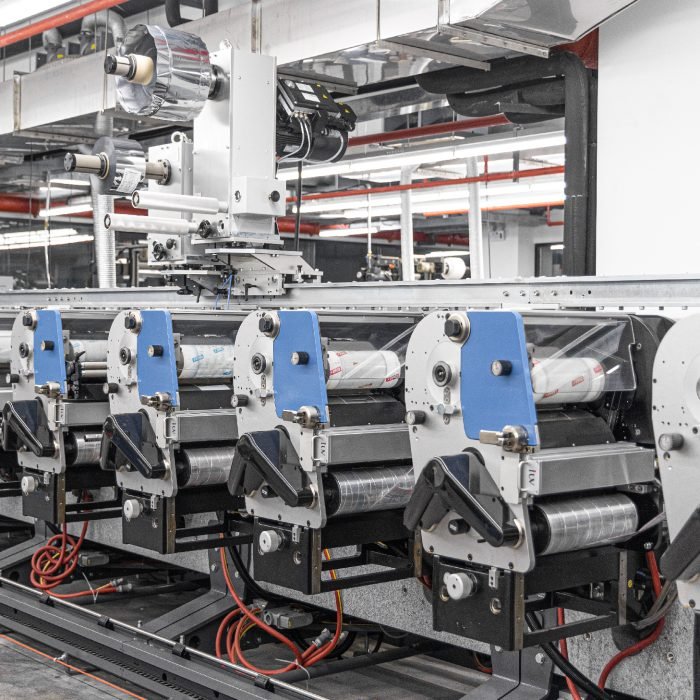
The label printing industry is undergoing a significant transformation. Automation is no longer a distant dream; it’s a present reality, especially in digital label printing. As this shift accelerates, so does the demand for sophisticated control systems that can keep pace. Among the most critical technologies is UV curing, and its intelligent control is becoming paramount for efficiency and quality. This is where intelligent UV curing control for automation-driven digital label printing takes center stage.
The Evolving Landscape of Label Printing
Traditional label printing methods, like flexography and offset printing, have long been the workhorses of the industry. Flexography excels in high-volume runs with its flexible printing plates. Offset printing, on the other hand, offers exceptional detail and color consistency for medium to long runs. However, the rise of digital printing has introduced unprecedented flexibility and speed, particularly for short to medium runs and variable data printing.
Narrow web printing, a specialized segment focusing on narrow-width substrates, is where much of this digital innovation is happening. Brands increasingly require customization, faster turnaround times, and the ability to print shorter runs economically. Digital label printing, with its ability to print directly from digital files without plates, perfectly addresses these needs.
The Crucial Role of UV Curing
In conjunction with digital printing, UV curing has become indispensable. UV curable inks and coatings offer several advantages. They dry or “cure” almost instantaneously when exposed to ultraviolet light. This rapid curing means labels can be handled, finished, and shipped much faster. It also allows for printing on a wider range of substrates, including heat-sensitive materials, as there is minimal heat transfer during the curing process.
The chemistry of UV inks is designed to polymerize under UV exposure. This forms a durable, often scratch-resistant, and chemically resistant finish. For label applications, this durability is vital, ensuring the printed information remains intact throughout the product’s lifecycle, from manufacturing to the end consumer.
Challenges in Traditional UV Curing
While UV curing offers significant benefits, traditional methods often present challenges, especially within an automated workflow. One of the main issues is inconsistent curing. This can arise from fluctuations in the UV lamp output, variations in conveyor belt speed, or uneven ink laydown. Inconsistent curing can lead to a range of problems:
- Poor Adhesion: Incompletely cured inks may not bond properly to the substrate. This can result in peeling, scratching, or wash-off of the print.
- Ink Smearing and Rubbing: Insufficient curing means the ink surface remains tacky. This makes the labels susceptible to smearing during handling or subsequent finishing processes.
- Odor Issues: Incomplete polymerization can leave behind unreacted monomers. These can contribute to an unpleasant odor on the final product, which is particularly problematic for food and beverage labels.
- Reduced Durability: The final printed product may not achieve its intended level of scratch, chemical, or abrasion resistance.
- Wasted Materials and Downtime: Rejects due to curing issues lead to material waste. Troubleshooting and re-calibrating manual systems also cause significant downtime.
These issues become amplified in an automated environment where processes are expected to run seamlessly with minimal human intervention. Any deviation can disrupt the entire production line.
The Dawn of Intelligent UV Curing Control
This is where “intelligent UV curing control for automation-driven digital label printing” becomes not just a technical term, but a strategic imperative. Intelligent control moves beyond simple on/off or manual power adjustments. It involves sophisticated systems that actively monitor, adjust, and optimize UV curing parameters in real-time.
Modern intelligent UV curing systems, particularly those using LED UV technology, incorporate advanced sensors and feedback loops. These systems are designed to integrate seamlessly with the automated digital printing press.
Key Components of Intelligent UV Curing Control
Several elements contribute to the intelligence of a UV curing system:
- Advanced Sensor Technology: These systems often employ spectrophotometers or radiometers that can measure the UV intensity and spectral output reaching the substrate. Some even monitor temperature and humidity, factors that can influence curing.
- Real-time Monitoring and Feedback: Sensors continuously feed data back to a central control unit. This allows the system to understand the actual curing conditions at any given moment.
- Automated Adjustment Capabilities: Based on the sensor data, the control unit can automatically adjust key parameters. This might include UV lamp power, exposure duration, or even wavelength output in the case of multi-wavelength LED systems.
- Integration with Press Controls: The UV curing system communicates with the digital printing press’s main control console. This ensures synchronized operation. For example, if the press speed changes, the UV curing system automatically adjusts its output to maintain the correct energy dose.
- Predictive Analytics and Machine Learning: More advanced systems can use historical data and machine learning algorithms to predict potential issues before they occur. This allows for proactive adjustments and preventive maintenance.
- User-Friendly Interface: Despite the complexity, intelligent systems typically feature intuitive touch-screen interfaces. Operators can easily monitor performance, set parameters, and access diagnostic information.
The Benefits of Intelligent UV Curing Control
Implementing intelligent UV curing control in automation-driven digital label printing brings a host of tangible benefits:
- Consistent Print Quality: By precisely controlling UV energy delivery, these systems ensure uniform and complete ink polymerization. This leads to superior adhesion, vibrant colors, and a high-quality finish every time.
- Increased Production Efficiency: Reduced instances of print defects and rework mean less waste and less downtime. The ability to run at higher speeds with confidence further boosts throughput.
- Enhanced Durability and Performance: Optimal curing guarantees that labels meet stringent requirements for scratch resistance, chemical resistance, and outdoor durability, crucial for many product applications.
- Reduced Energy Consumption: LED UV systems are inherently more energy-efficient than traditional mercury vapor lamps. Intelligent control further optimizes this by only delivering the necessary UV energy, avoiding over-curing and unnecessary power draw.
- Wider Substrate Compatibility: Precise control allows for safe and effective curing on a broader range of materials, including delicate films and sensitive plastics.
- Improved Odor Profile: Complete curing minimizes residual monomers, leading to virtually odorless labels. This is a significant advantage for food, pharmaceutical, and personal care products.
- Simplified Operation: Automation and intelligent adjustments reduce the need for constant operator intervention and manual calibration, freeing up staff for other critical tasks.
- Data Logging and Traceability: Many intelligent systems can log curing parameters for each job. This provides valuable data for quality control, troubleshooting, and traceability.
LED UV Technology and Intelligent Control
The synergy between LED UV technology and intelligent control is particularly noteworthy. LED UV lamps offer several advantages over traditional mercury lamps:
- Instant On/Off: Unlike mercury lamps that require warm-up and cool-down periods, LEDs achieve full output instantly. This is perfect for the start-stop nature of some digital printing processes and further aids in energy saving.
- Longer Lifespan: LEDs have a significantly longer operational life, reducing replacement costs and maintenance.
- Precise Wavelength Control: LEDs can be designed to emit specific wavelengths, allowing for optimized curing of different ink formulations. Intelligent control can switch between or blend these wavelengths as needed.
- Lower Heat Output: LEDs produce less infrared radiation, meaning less heat is transferred to the substrate and the printing press components, improving stability and enabling printing on heat-sensitive materials.
- Compact Size: The smaller form factor of LED arrays allows for easier integration into narrow web presses and tighter print shops.
Intelligent control systems leverage these characteristics of LEDs to provide unparalleled precision and flexibility. They can fine-tune the intensity and duration of exposure for each specific LED emitter, ensuring optimal curing for every single label.
Looking Ahead: The Future of Automated Label Printing
As digital printing technology continues to advance, the role of intelligent systems will only grow. The pursuit of higher speeds, greater automation, and ever-higher print quality demands that every component of the printing process, including UV curing, operates with maximum intelligence and efficiency.
The integration of intelligent UV curing control is a key enabler for label printers looking to stay competitive. It’s not just about faster printing; it’s about smarter printing. For businesses engaged in flexographic, offset, or narrow web digital label printing, embracing these advanced curing solutions is essential for achieving peak performance, superior product quality, and ultimately, greater profitability in an increasingly automated world.