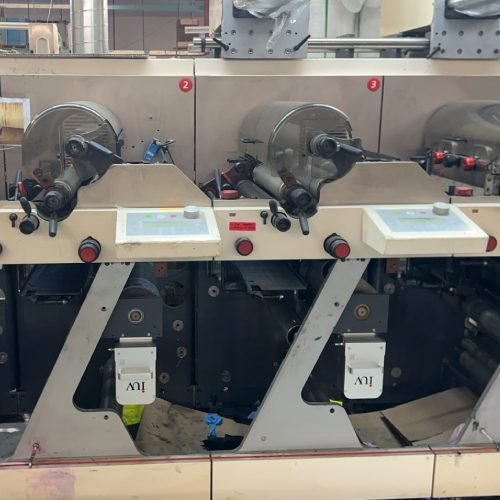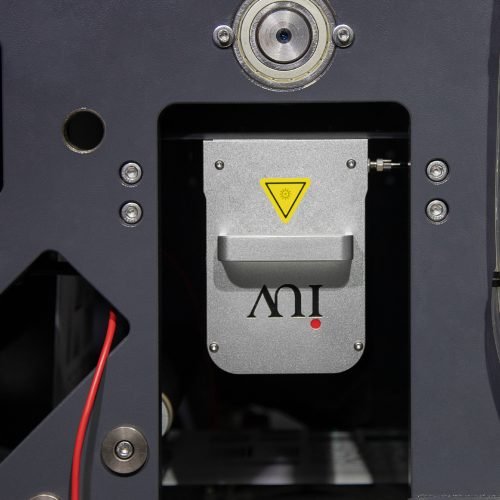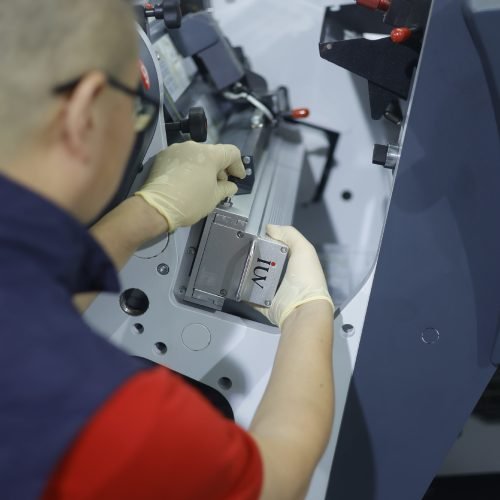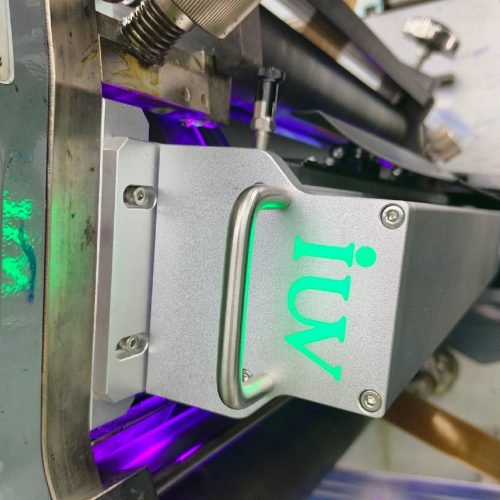
In the world of label printing, staying ahead of the curve not only involves optimizing print quality but also embracing technologies that offer both efficiency and sustainability. One such technology is LED UV curing, which has gained significant traction across various printing sectors, including flexographic (flexo), letterpress, and narrow-web printing. This article explores LED UV curing technology, its environmental benefits, and how label printers can leverage this innovation for improved printing performance and sustainability.
What is LED UV Curing?
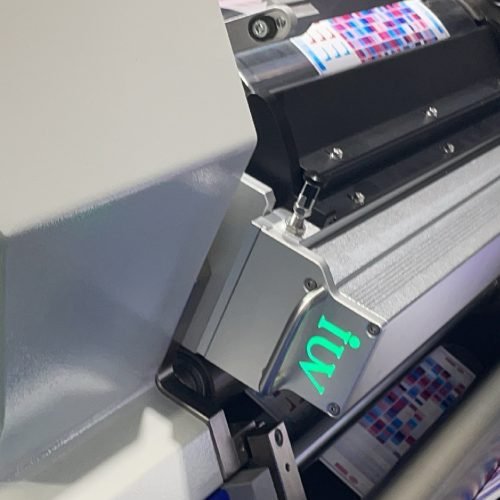
LED UV curing is a process used in the printing industry to cure (dry) inks quickly using ultraviolet (UV) light. Unlike traditional UV lamps, which use mercury vapor to emit UV light, LED UV lamps use light-emitting diodes (LEDs) to produce UV light at specific wavelengths. The key advantage of LED UV over conventional UV curing is its energy efficiency and lower operating temperature.
In label printing, the curing process is crucial because it helps inks adhere to the substrate without smudging or bleeding. LED UV curing offers a superior alternative to traditional drying methods, providing fast curing times that increase productivity.
Advantages of LED UV Curing for Label Printers
1. Faster Curing Times
One of the most significant benefits of LED UV curing is its ability to cure inks almost instantly. This leads to faster production speeds, enabling printers to handle higher volumes without compromising quality. In narrow-web flexo printing, where fast turnaround times are critical, LED UV technology ensures labels are cured immediately after printing, reducing drying time and improving the overall workflow.
2. Energy Efficiency
LED UV lamps consume significantly less energy than traditional mercury vapor lamps. This not only translates into lower electricity costs but also aligns with sustainability goals, reducing the carbon footprint of printing operations. As energy consumption decreases, printers can expect reduced overall operational expenses.
3. Lower Heat Emission
Traditional UV curing lamps generate considerable heat, which can affect substrates, particularly sensitive materials used in label printing, such as films or thin papers. LED UV curing, on the other hand, produces much less heat. This is especially beneficial in flexo and letterpress printing, where the risk of substrate deformation or warping is minimized, ensuring consistent print quality.
4. Extended Lamp Life
LED UV lamps have a significantly longer lifespan compared to conventional UV lamps. While traditional lamps typically last around 1,000 to 2,000 hours, LED UV lamps can last up to 20,000 hours or more. This extended lamp life reduces the need for frequent replacements, offering printers a cost-effective solution over the long term.
5. Environmental Benefits
LED UV curing technology is not only more energy-efficient but also more environmentally friendly. Unlike traditional UV curing, which requires mercury vapor, LED UV lamps do not contain harmful materials such as mercury, reducing the environmental impact when disposed of. Additionally, LED UV curing produces fewer volatile organic compounds (VOCs), contributing to a cleaner workplace and a reduction in air pollution.
LED UV Curing in Label Printing
1. Flexographic Printing
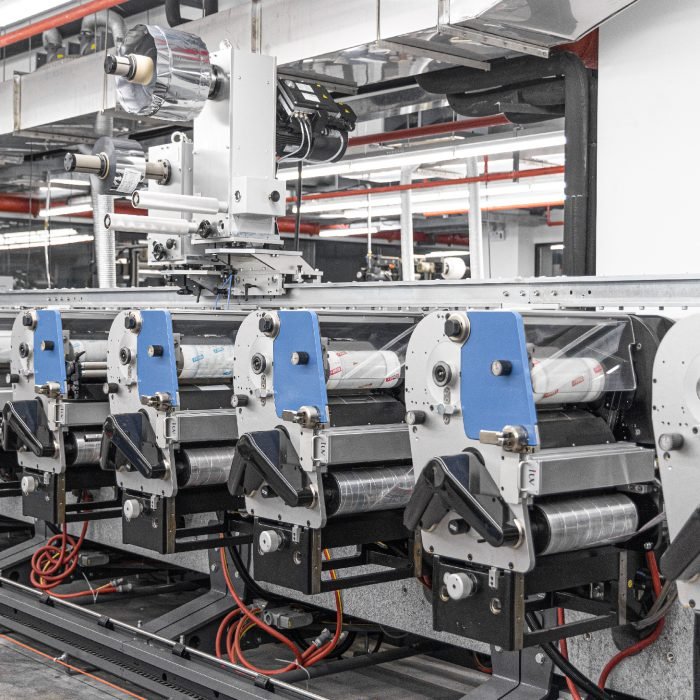
Flexographic printing is widely used in label production due to its versatility and ability to print on a variety of substrates. LED UV curing technology has become a game-changer for flexo printers, especially in narrow-web label printing. The fast curing times enable higher throughput, while the energy efficiency and lower heat output help maintain substrate integrity.
Flexo printers often work with different types of inks, including UV curable inks, and LED UV lamps provide the precise UV light necessary to cure these inks effectively. The faster curing speeds reduce the risk of ink smudging or scuffing, ensuring a sharp, clean finish on each label.
2. Letterpress Printing
While letterpress printing has evolved over the years, it remains a popular choice for high-quality label printing. The use of LED UV curing in letterpress applications brings several advantages. The quick curing times allow for a more streamlined process, while the reduced heat output prevents damage to delicate materials, making it ideal for printing labels on thin or heat-sensitive stocks.
In addition, LED UV curing helps maintain color consistency and print sharpness, both of which are essential for high-end label production, where fine details are often required.
3. Narrow-Web Printing
Narrow-web printing machines are specifically designed for small to medium runs, particularly in label and flexible packaging production. These presses are increasingly adopting LED UV curing systems due to the benefits of faster drying and enhanced print quality. LED UV technology facilitates multi-pass printing, where multiple layers of ink can be applied without worrying about drying time between passes.
The consistent curing provided by LED UV technology helps narrow-web printers achieve vibrant colors and precise registration, making it a valuable tool for producing complex designs and fine text.
Sustainability and Cost Efficiency
As the printing industry continues to move towards more sustainable practices, LED UV curing provides an effective solution. The reduction in energy consumption alone is a compelling reason to adopt this technology. Furthermore, the extended life of LED lamps means fewer replacements, reducing waste and contributing to a more sustainable operation overall.
Another key factor is the reduction of hazardous waste. Conventional UV curing inks often contain solvents and chemicals that can be harmful to the environment. LED UV inks, however, are typically more eco-friendly and often require fewer volatile substances, which helps minimize environmental harm.
From a cost perspective, while LED UV curing systems may involve a higher initial investment, the long-term savings—stemming from lower energy consumption, reduced waste, and fewer ink replacements—make them a wise choice for label printers aiming to enhance both profitability and sustainability.
Overcoming Challenges in LED UV Curing Adoption
While LED UV curing technology presents numerous advantages, there are some challenges that label printers need to consider. The initial capital investment for LED UV curing equipment can be higher than traditional UV systems. However, the long-term savings on energy, maintenance, and ink can offset the upfront costs.
Additionally, not all types of inks are compatible with LED UV curing, so printers may need to use specific LED UV-curable inks. As this technology continues to evolve, however, more ink manufacturers are developing solutions tailored to LED UV curing, making it more accessible for label printers.
Conclusion
LED UV curing technology is transforming the label printing industry by providing faster curing times, reduced energy consumption, and environmental benefits. Its application in flexographic, letterpress, and narrow-web printing has enhanced print quality, improved workflow efficiency, and aligned with sustainability goals.
As more printers adopt LED UV curing, the technology’s impact on reducing operational costs and improving the overall quality of printed labels becomes increasingly evident. The shift towards LED UV curing represents a forward-thinking approach that combines innovation with eco-friendly practices, making it an ideal choice for modern label printing operations. By embracing this technology, label printers can achieve both profitability and sustainability in their production processes.