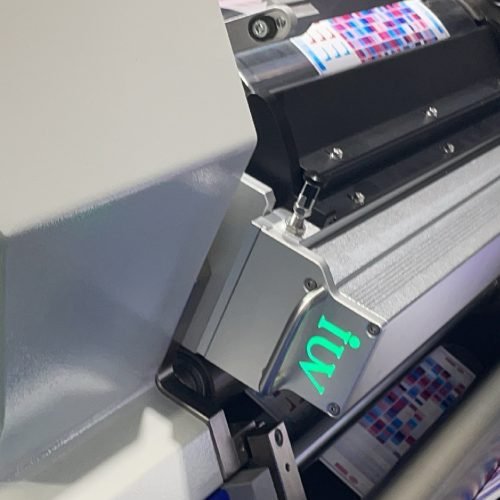
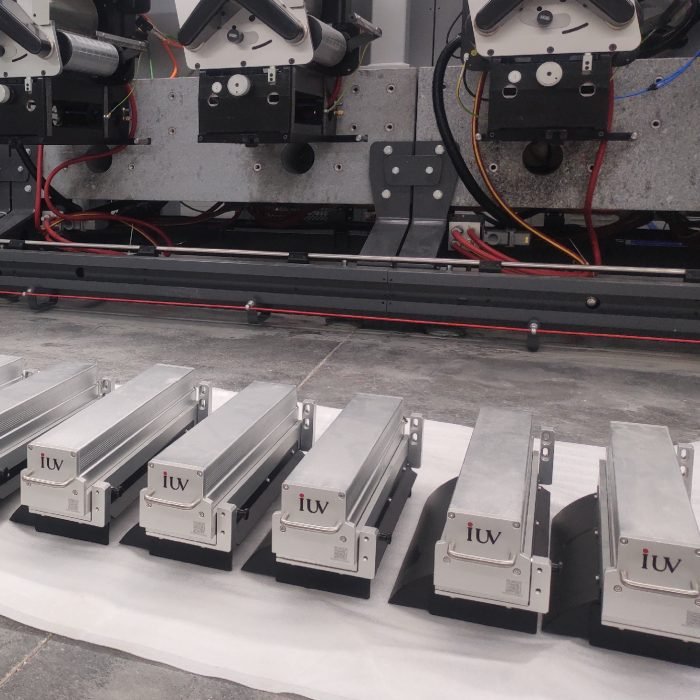
In the world of printing, efficiency, speed, and quality are key factors that drive technological advancements. Among these innovations, LED UV curing stands out as a transformative technology, particularly in label printing, flexographic printing, and narrow-web printing. This article provides an in-depth look at LED UV curing, its benefits, and how it works, with a focus on its applications in label printing and other narrow-web printing processes. Understanding the fundamentals of LED UV curing technology is essential for printers aiming to enhance their operations and achieve better results.
What is LED UV Curing?
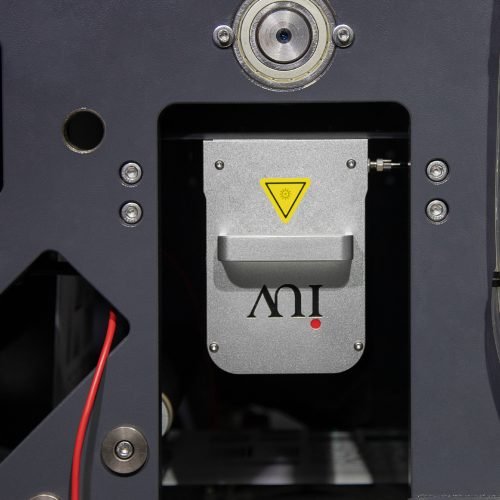
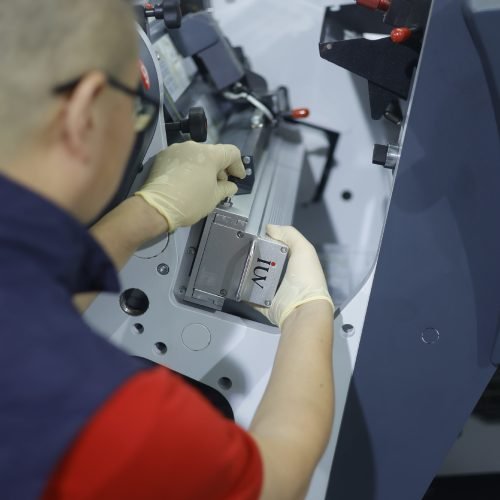
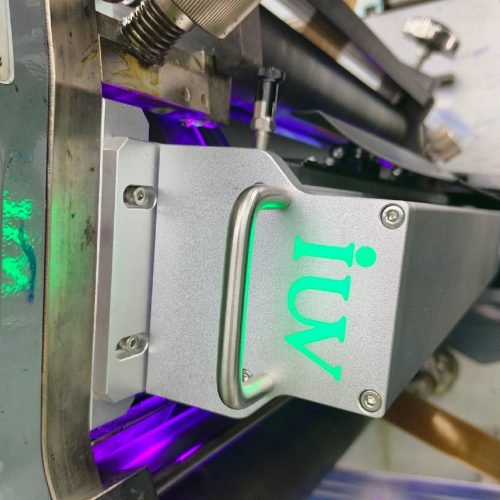
LED UV curing is a printing process that uses light-emitting diodes (LEDs) to cure or dry ink on a substrate. Unlike traditional UV curing, which relies on mercury vapor lamps to generate ultraviolet light, LED UV curing utilizes solid-state light sources that emit UV light at specific wavelengths. This method has become increasingly popular due to its energy efficiency, lower heat output, and faster curing times.
LED UV curing is particularly beneficial in industries such as label printing, where precision and speed are paramount. The process enables faster production cycles, reduces environmental impact, and allows printers to work with a wider range of substrates and ink formulations.
The Role of LED UV Curing in Label Printing
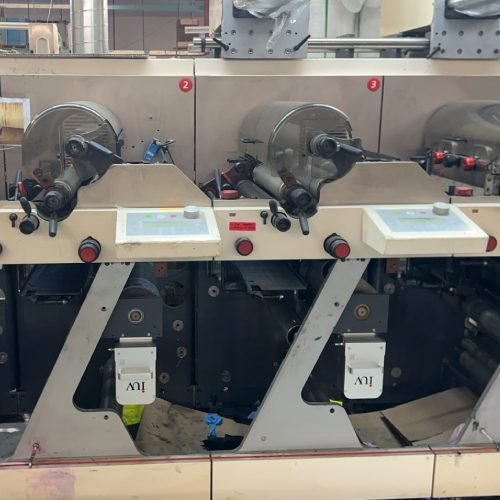
Label printing is a key application for LED UV curing, especially in flexographic printing and narrow-web printing. Flexography is widely used for printing labels, flexible packaging, and other products, as it is capable of high-speed, high-quality output. In this context, LED UV curing plays a vital role in improving print quality and ensuring the finished product is durable and ready for use immediately.
Flexographic Printing and LED UV Curing
Flexographic printing is a popular method for label production because of its ability to print on a variety of substrates, such as paper, plastic, and metallic films. The application of LED UV curing in flexography ensures that the ink dries instantly, which allows for faster production speeds and greater efficiency. Moreover, LED UV lamps are more energy-efficient compared to traditional mercury vapor lamps, leading to reduced operational costs and a smaller environmental footprint.
The rapid curing capabilities of LED UV technology also prevent ink from smearing or blurring, which can be a common issue in conventional printing methods. This results in sharper, more vibrant labels, making it an ideal choice for high-quality, high-definition label printing.
Narrow-Web Printing and LED UV Curing
Narrow-web printing refers to the printing of materials that are typically less than 20 inches wide, such as labels, tickets, tags, and small packaging. The precision required for narrow-web printing makes LED UV curing a natural fit. The quick curing time helps minimize any distortion or loss of detail in the print, ensuring that intricate designs and fine text remain crisp and clear.
Furthermore, the ability to use LED UV inks in narrow-web printing processes has opened new opportunities for printing on challenging substrates, such as non-porous materials. LED UV inks are designed to adhere well to these surfaces, offering excellent bonding and durability without compromising print quality.
Advantages of LED UV Curing in Printing
LED UV curing offers a wide array of advantages that enhance the printing process, particularly for label printers. Here are some of the key benefits:
1. Faster Curing Times
One of the most significant advantages of LED UV curing is the speed at which the ink dries. In traditional UV curing, mercury vapor lamps can take longer to cure the ink, which can slow down production speeds. With LED UV curing, the ink dries almost instantly, allowing for faster throughput and reduced downtime.
This is particularly important in industries where time is of the essence, such as in the production of labels, where high-speed production is essential to meet customer demand and maintain competitiveness.
2. Energy Efficiency
LED UV lamps are much more energy-efficient than their traditional counterparts. They consume less power and generate less heat, making them more cost-effective over time. This is especially beneficial for printers looking to reduce their energy costs and minimize their carbon footprint.
Additionally, because LED lamps have a longer lifespan than mercury vapor lamps, they require less maintenance and replacement, further reducing operational expenses.
3. Enhanced Print Quality
LED UV curing helps achieve sharper, more vibrant prints with better color consistency. The rapid drying process prevents ink from spreading or smearing, ensuring that fine details, small text, and intricate designs are accurately reproduced. This is particularly crucial for label printing, where precision and clarity are essential for product branding and legibility.
4. Versatility Across Substrates
LED UV curing allows printers to work with a wider range of substrates, including non-porous materials like plastics and films. Traditional ink curing methods often struggle with these surfaces, but LED UV inks offer excellent adhesion and durability. This opens up new possibilities for label printers, enabling them to print on a broader selection of materials without compromising quality.
5. Reduced Environmental Impact
Traditional UV curing processes produce harmful byproducts, such as ozone, and use mercury vapor lamps, which are hazardous to the environment. LED UV curing, on the other hand, produces minimal emissions and does not require mercury, making it a more eco-friendly option. The energy efficiency of LED technology also contributes to a smaller carbon footprint.
How LED UV Curing Works
The LED UV curing process involves several key steps, from ink application to final curing:
- Ink Application: The printer applies UV-reactive ink to the substrate. In flexographic printing, this typically involves the use of a flexible printing plate that transfers ink onto the material. In narrow-web printing, the process is similar but focused on smaller widths.
- Exposure to UV Light: After the ink is applied, it passes under the LED UV lamps. The UV light emitted by the LEDs causes the photoinitiators in the ink to react and harden the ink almost instantly.
- Curing: The curing process hardens the ink on the substrate, ensuring that it does not smear or distort during handling. Unlike conventional drying, which can take hours, LED UV curing requires only seconds.
- Finished Product: Once cured, the label or printed material is ready for packaging or further processing. The immediate drying feature of LED UV curing eliminates the need for additional drying time, accelerating the production cycle.
Conclusion
LED UV curing has revolutionized the world of label printing, offering faster curing times, superior print quality, and greater energy efficiency. Its versatility across a wide range of substrates and its eco-friendly benefits make it an ideal choice for modern printers. As the technology continues to evolve, LED UV curing will likely become an even more integral part of the printing industry, particularly in applications like flexographic and narrow-web printing. Understanding its fundamentals and advantages is crucial for any printer looking to stay competitive in a rapidly changing market.