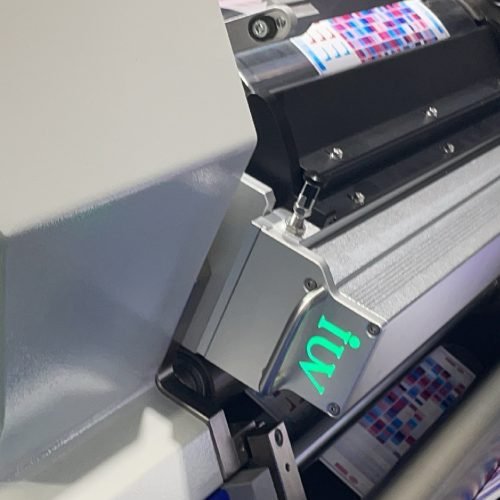
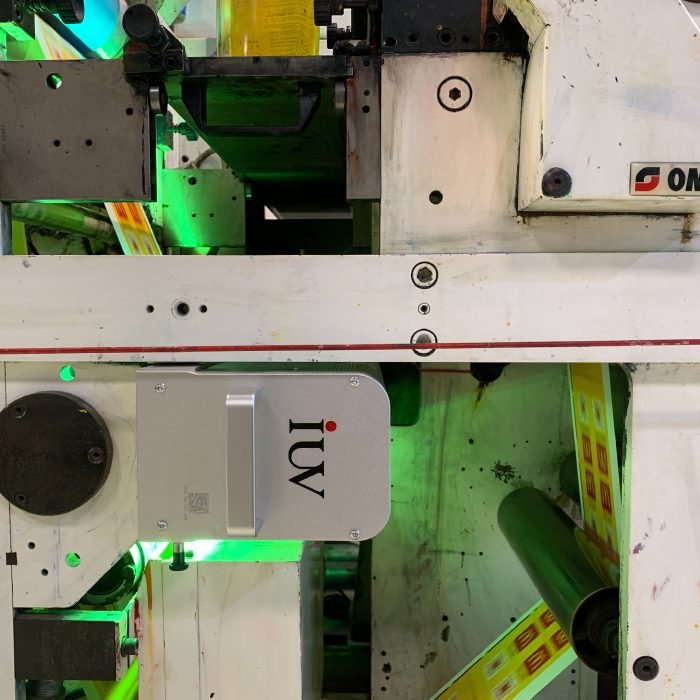
In the competitive realm of narrow-web printing, consistency is not just a desirable trait; it’s the bedrock of customer satisfaction and profitability. Brands demand vibrant, durable, and perfectly replicated labels and packaging, time after time. Achieving this level of unwavering quality hinges on a multitude of factors, with the curing process playing a pivotal role. For years, traditional UV curing systems have been the go-to. However, the advent and rapid adoption of LED UV curing technology are revolutionizing how narrow-web printers attain and maintain exceptional print consistency across a diverse range of applications.
This shift is driven by the inherent advantages LED UV curing offers over its mercury-based predecessors. At its core, LED UV curing utilizes light-emitting diodes (LEDs) to generate specific wavelengths of UV light. This targeted approach, as opposed to the broad-spectrum output of mercury lamps, offers profound benefits for print consistency, particularly in demanding narrow-web environments like those found in flexographic and offset printing.
The Foundation of Consistency: Understanding UV Curing
Before diving into the specifics of LED technology, it’s beneficial to briefly touch upon the fundamental principles of UV curing. This process involves exposing inks, coatings, or adhesives containing photoinitiators to ultraviolet light. The UV light energizes these photoinitiators, triggering a rapid chemical reaction – polymerization. This reaction transforms the liquid ink or coating into a solid, durable film almost instantaneously. The speed and completeness of this transformation are critical for achieving desired print properties such as gloss, adhesion, and rub resistance. Inconsistent curing, whether too little or too much, leads directly to deviations in these properties, manifesting as color shifts, poor durability, or incomplete drying.
Bridging the Gap: From Mercury Lamps to LEDs
Traditional mercury arc lamps have been the workhorse of UV curing for decades. They are powerful and effective, but they come with inherent limitations that impact consistency. These lamps generate heat across a broad spectrum, including infrared radiation. This can lead to substrate distortion, particularly with thinner films common in narrow-web applications. Furthermore, mercury lamps degrade over time, their UV output diminishing unevenly. This necessitates frequent lamp replacement and recalibration, introducing variables that can disrupt consistent print quality. The energy consumption of mercury lamps is also significantly higher.
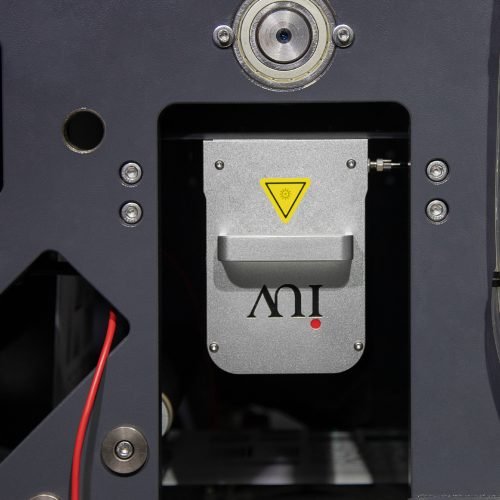
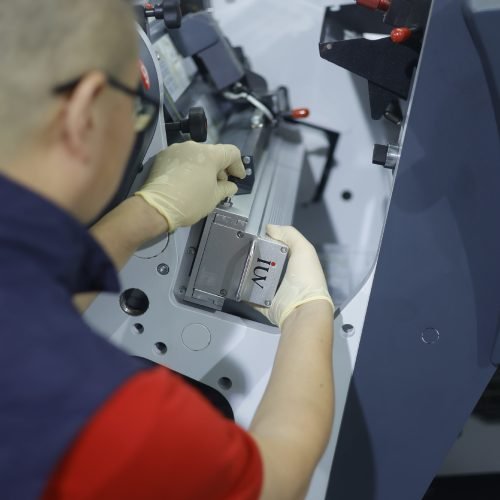
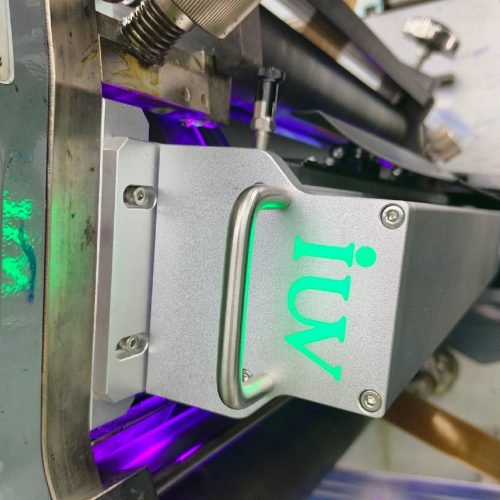
LED UV curing systems operate on a fundamentally different principle. Instead of a single, broad-spectrum lamp, they employ an array of semiconductor diodes. These diodes emit UV light at very specific, narrow wavelengths, tailored to the photoinitiators in the inks and coatings being used. This targeted emission is a game-changer for print consistency.
Precision Control for Unmatched Uniformity
One of the most significant contributions of LED UV curing to print consistency lies in its precise control. LED systems offer instant on/off capabilities, eliminating warm-up and cool-down periods. This means the UV output is constant and predictable from the moment the press starts until it stops. There’s no gradual decline in intensity as the lamp ages, no fluctuation due to power surges. The output remains stable, ensuring that every square inch of the printed substrate receives the same, consistent dose of UV energy.
Furthermore, LED systems are inherently more energy-efficient, converting a much higher percentage of electrical energy into UV light rather than heat. This dramatically reduces the thermal load on the substrate. In narrow-web printing, where delicate films and heat-sensitive materials are common, this reduction in heat is invaluable. Substrates remain flatter, dimensional stability is maintained, and the risk of issues like ink dot gain or distortion due to excessive heat is minimized. This contributes directly to sharper print definition and more consistent registration.
Enhancing Color Accuracy and Vibrancy
Color consistency is paramount in label and packaging printing. Even slight variations in ink density or gloss can result in a perceived color shift. LED UV curing significantly aids in achieving and maintaining accurate and vibrant colors. Because LED systems provide a uniform and controlled energy output, the photoinitiators in the inks are activated consistently across the entire printed area. This leads to a more complete and uniform polymerization, ensuring that the ink film cures to its intended optical properties.
The specific wavelengths emitted by LEDs can also be precisely matched to the absorption spectra of photoinitiators in UV-curable inks. This optimization means that the energy transfer is highly efficient, leading to faster and more thorough curing. When inks cure completely and uniformly, their color remains stable and true, resisting changes that can occur with partial or inconsistent curing. This is especially important for process color printing (CMYK) and spot color reproduction, where precise color matching is critical.
Durability and Performance: A Consistent Outcome
Beyond aesthetics, print consistency extends to the functional performance of the printed product. Labels and packaging must withstand abrasion, chemicals, and environmental exposure. LED UV curing contributes to superior and consistent durability. The rapid, complete polymerization initiated by LEDs creates a highly cross-linked ink film. This robust film exhibits excellent resistance to scratching, scuffing, and a wide range of chemicals.
In flexographic printing, where inks are often applied in thin layers, the thoroughness of curing is crucial for rub resistance. LED UV curing ensures that even these thin layers are fully solidified, preventing smudging or delamination. Similarly, in offset printing applications on narrow webs, consistent curing means that the printed image will maintain its integrity throughout the product’s lifecycle, from the printing press to the end consumer. This reliability builds trust and reduces costly product recalls or rejections.
Versatility Across Narrow-Web Technologies
The benefits of LED UV curing are not confined to a single printing technology. Its adaptability makes it a valuable upgrade for various narrow-web processes:
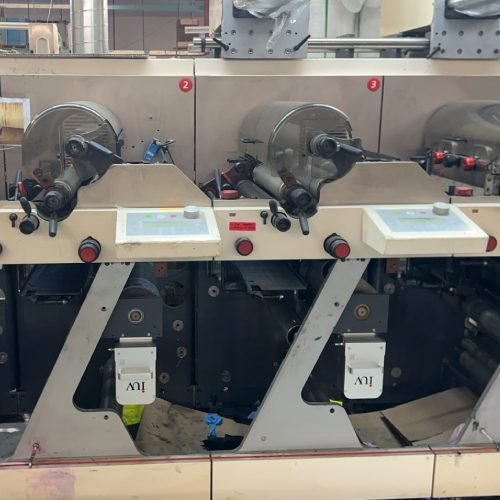
- Flexographic Printing: Flexo is a dominant force in narrow-web label and flexible packaging production. LED UV curing enables faster press speeds with consistent cure, leading to sharper print definition, better ink transfer, and enhanced durability on a wide range of substrates, from paper to complex films. The reduced heat output is particularly beneficial for heat-sensitive films used in food packaging.
- Offset Printing: While less common than flexo for very narrow webs, offset printing is utilized for high-quality label and packaging applications. LED UV curing allows for consistent ink film formation and excellent print quality on these presses, ensuring sharp dots and solid colors that meet stringent brand requirements.
- Digital Printing: While many digital narrow-web presses already utilize UV curing, transitioning to LED UV offers further advantages in terms of energy efficiency, reduced maintenance, and lifespan compared to older UV technologies. This ensures the consistent performance expected from digital printing solutions.
Addressing Substrate Challenges
Narrow-web printing frequently involves a diverse array of substrates, each presenting unique challenges. Traditional UV curing, with its significant heat generation, can be problematic for thinner, more sensitive materials like polyethylene, polypropylene, and PET films. The elevated temperatures can cause these substrates to shrink, distort, or lose their mechanical integrity, leading to registration issues and inconsistent print quality.
LED UV curing’s low-heat emission is a significant advantage here. It allows printers to run these delicate substrates at high speeds without the risk of thermal degradation. This means a more stable print web, improved registration accuracy, and the ability to achieve consistent, high-quality results on a broader range of materials. The absence of ozone generation, a byproduct of mercury lamp operation, also contributes to a safer and more pleasant working environment.
Optimizing for the Future: Cost-Effectiveness and Sustainability
Beyond immediate print quality benefits, LED UV curing offers long-term advantages in terms of cost-effectiveness and sustainability. While the initial investment in LED systems might be higher, the operational savings are substantial. Their energy efficiency translates to lower electricity bills. The extended lifespan of LEDs—often tens of thousands of hours compared to a few thousand for mercury lamps—reduces downtime for replacements and associated maintenance costs. Furthermore, the absence of mercury eliminates hazardous waste disposal issues, aligning with growing environmental consciousness in the industry.
For narrow-web printers striving for peak performance, maximizing print consistency is a continuous pursuit. LED UV curing technology provides a powerful and reliable solution. By offering precise control over UV output, minimizing thermal impact, enhancing color fidelity, and ensuring robust durability, LED UV systems empower printers to achieve an unparalleled level of uniformity across all their narrow-web applications. Embracing this technology is not just an upgrade; it’s a strategic investment in quality, efficiency, and future success.