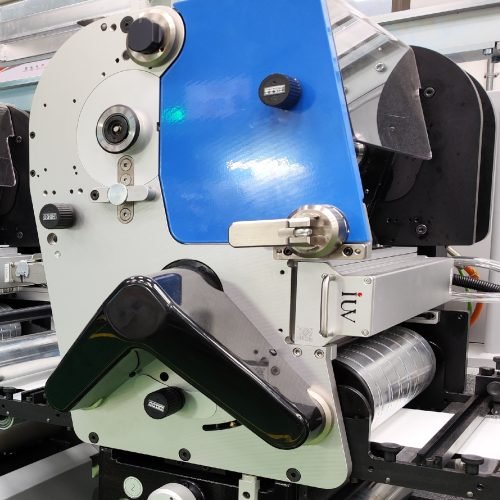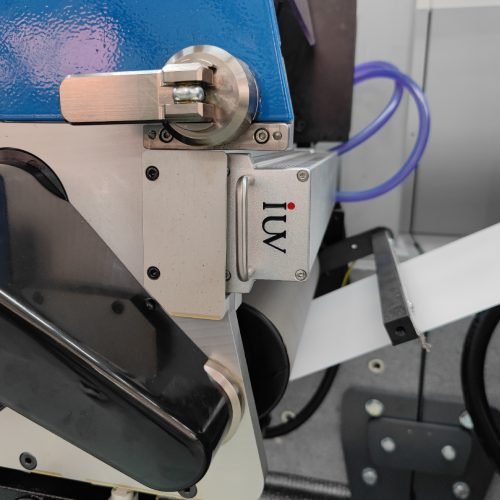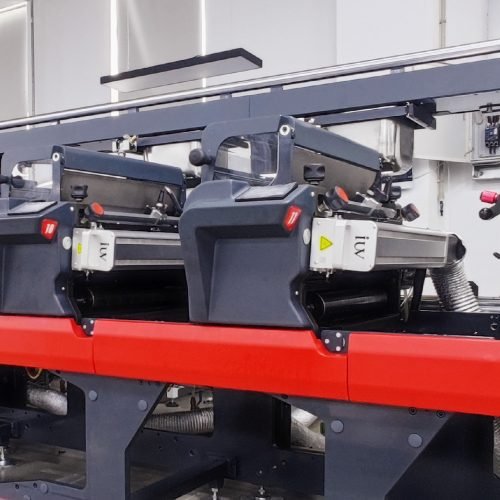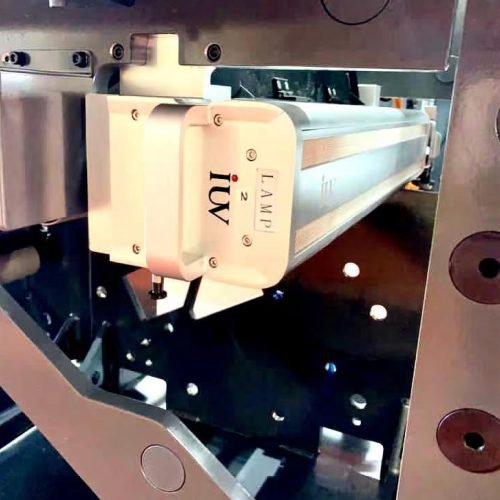
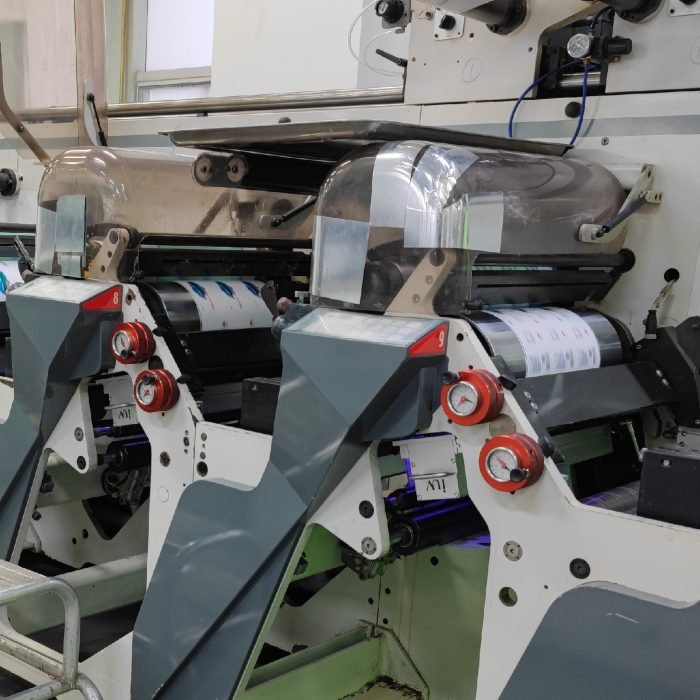
Integrating LED UV curing systems into OMET flexo machines represents a transformative opportunity for narrow web converters seeking superior print quality and enhanced operational efficiency. Achieving consistent results requires a comprehensive understanding of LED output characteristics, ink formulation, substrate behavior, and press configuration. Properly implemented, these systems can significantly improve curing uniformity, adhesion, and color reproduction while minimizing energy consumption and reducing downtime.
Understanding LED UV Technology
LED UV modules provide targeted emission in the 365–405 nm range, efficiently activating photoinitiators in UV-curable inks. Unlike traditional mercury vapor lamps, LEDs generate minimal heat, allowing narrow web substrates to retain dimensional stability. The precise spectral output also reduces unwanted side reactions, ensuring that inks fully polymerize without affecting underlying layers. For OMET flexo machines, uniform irradiance across the web is critical to maintain consistent dot gain and color density across each print job.
Substrate Considerations in Narrow Web Printing
Substrate selection plays a vital role in curing performance. Paper, BOPP, PET, and other synthetic materials differ in surface energy, optical properties, and thermal sensitivity. Each substrate absorbs UV energy differently, influencing polymerization rates. High-opacity or metallic inks can further complicate energy transmission, requiring calibration of LED output for complete curing. By understanding substrate characteristics, operators can adjust LED intensity, dwell time, and press speed to optimize adhesion and surface finish.
Ink Formulation and Photoinitiator Alignment
LED-curable inks contain photoinitiators tuned to the LED emission spectrum. Mismatched formulations may result in undercured ink, adhesion failure, or inconsistent gloss. In multi-color runs, the interaction between sequential ink layers can exacerbate curing inconsistencies. Using inks designed for narrow spectrum LEDs and validating their performance across the entire press width ensures that each color layer fully polymerizes while maintaining accurate registration and color fidelity.
Optimizing LED Placement and Module Configuration
For OMET flexo presses, the positioning and configuration of LED modules are critical. Even minor variations in module height or angle can cause uneven irradiance, leading to banding or gloss variation. Mapping irradiance profiles with UV meters helps identify low-output zones, enabling precise adjustments. Consistent curing across the web width reduces rework, improves surface smoothness, and supports stable multi-color wet-on-wet printing.
Mechanical Stability and Web Control
Mechanical factors significantly influence curing consistency. Web tension, roller alignment, and module mounting must be carefully managed to prevent variations in LED-to-substrate distance. Uneven tension or misaligned rollers can create undercured zones and dot gain anomalies. Regular calibration and preventive maintenance of the press ensure stable operation and consistent LED performance, preserving both print quality and substrate integrity.
Multi-Color Wet-on-Wet Strategies
Wet-on-wet flexo printing introduces additional challenges, as each ink layer requires controlled curing before subsequent layers are applied. Insufficient curing can cause interlayer contamination, poor adhesion, and color misregistration. By adjusting LED intensity for each color station and monitoring ink thickness, operators can maintain uniform polymerization and prevent defects. This approach ensures that multi-color labels exhibit consistent vibrancy, sharpness, and durability.
Monitoring and Process Feedback
Continuous monitoring is essential to sustain high print quality. UV sensors and irradiance meters provide real-time feedback on module performance, allowing operators to detect lamp degradation and maintain peak curing levels. Integrating these measurements with press controls supports dynamic adjustments to LED intensity and exposure time, ensuring consistent results across varying substrates, ink formulations, and production speeds.
Troubleshooting Common Issues
Common challenges in LED UV integration include gloss variation, banding, adhesion failures, and incomplete curing. These issues often stem from misaligned modules, improper ink selection, substrate inconsistencies, or unstable web handling. Systematic troubleshooting involves inspecting LED output, verifying ink compatibility, assessing substrate behavior, and recalibrating press parameters. Proactive maintenance and documentation reduce recurring problems and improve long-term reliability.
Energy Efficiency and Operational Benefits
LED UV integration offers significant energy savings compared to conventional mercury lamps. Lower heat output reduces cooling requirements and minimizes substrate distortion, particularly for heat-sensitive materials. Rapid start-up and precise control allow for reduced downtime during press changes or job setups. Efficient LED curing also enables higher production speeds while maintaining consistent polymerization, supporting both productivity and sustainability goals.
Conclusion
Maximizing print quality on OMET flexo machines with LED UV curing integration requires attention to multiple interrelated factors, including LED output, ink formulation, substrate properties, and mechanical stability. By carefully calibrating LED modules, selecting compatible inks, and maintaining precise web control, converters can achieve consistent curing, improved adhesion, and vibrant, uniform labels. Real-time monitoring and preventive maintenance further enhance reliability, ensuring high-quality production while leveraging the operational and energy efficiency advantages of modern LED UV technology. Integrating these strategies positions OMET flexo maxchines to deliver exceptional performance in narrow web label printing.