The landscape of label printing is in constant flux, driven by evolving consumer demands and the relentless pursuit of efficiency. For years, the industry has grappled with the challenges of producing short runs and highly personalized or variable data labels cost-effectively. Traditional methods often struggled to balance speed, quality, and economic viability when faced with these demands. However, a significant technological advancement has emerged, poised to revolutionize how these printing tasks are approached: narrow-web LED flexographic printing. This technology isn’t just an incremental improvement; it represents a fundamental shift, a true game-changer for businesses looking to thrive in the contemporary market.
The Traditional Challenges of Short-Run and Variable Printing
Historically, the economics of printing have often favored longer runs. The setup costs associated with traditional presses, whether flexographic or offset, can be substantial. These costs include plate creation, ink mixing, and extensive press adjustments. For short runs, these fixed costs are spread over fewer units, making each label significantly more expensive. This has led to compromises, such as minimum order quantities that alienate smaller businesses or force customers to over-order and potentially waste inventory.
Variable data printing (VDP) adds another layer of complexity. This involves printing unique information on each label, such as serial numbers, barcodes, or personalized messages. While digital printing technologies have made inroads here, they sometimes come with their own limitations in terms of speed, substrate compatibility, or the cost per impression for very high volumes of short runs. Flexographic printing, known for its speed and efficiency on long runs, has often found adapting to the dynamic needs of VDP to be a complex and costly undertaking.
Enter Narrow-Web LED Flexo: A Powerful Combination
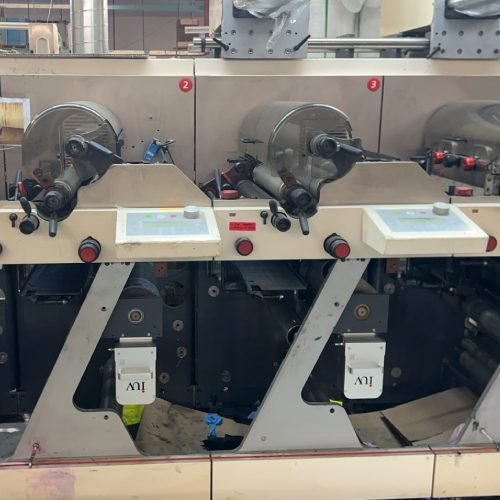
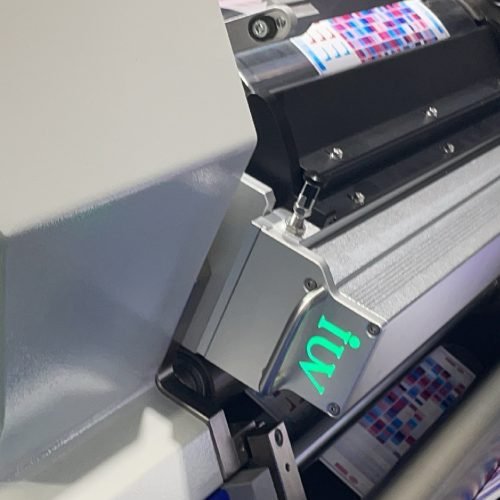
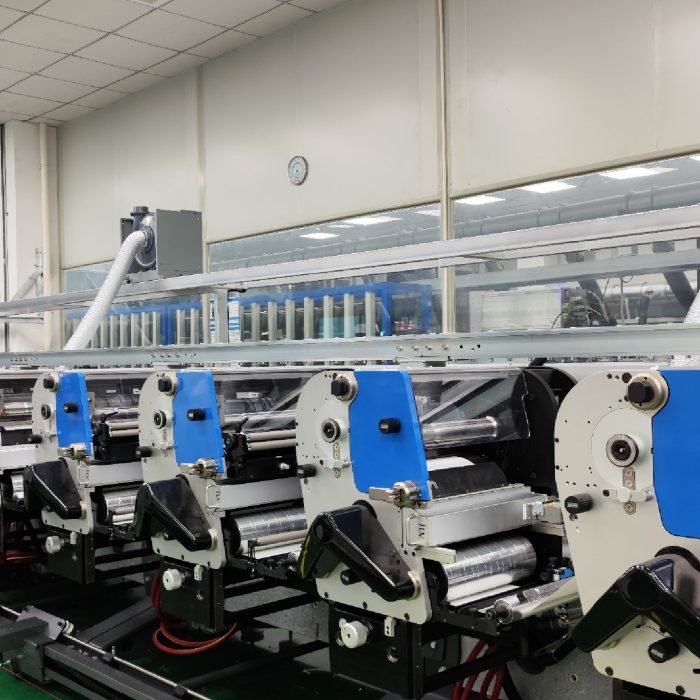
The synergy of narrow-web flexography and LED UV curing technology addresses these long-standing challenges head-on. Narrow-web presses are designed for efficient, high-speed production of labels and flexible packaging, typically printing widths from a few inches up to around 20 inches. This inherently makes them suitable for label applications. The integration of LED UV curing systems introduces a paradigm shift in the drying and curing process, offering a host of advantages that directly impact short-run and variable printing capabilities.
The Advantages of LED UV Curing in Flexography
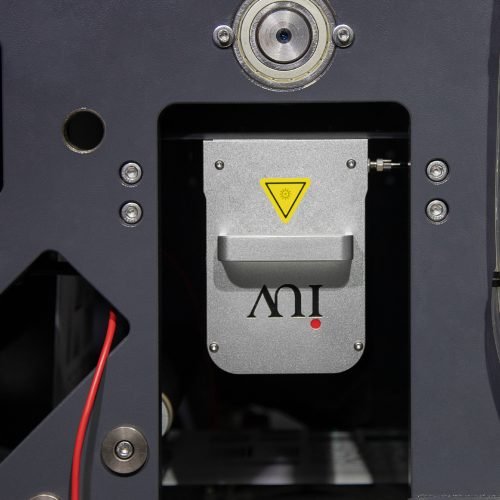
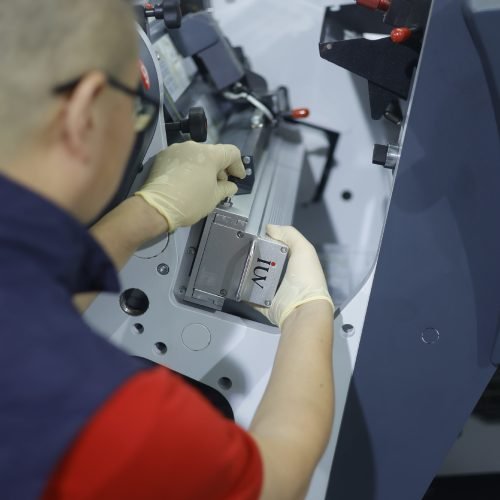
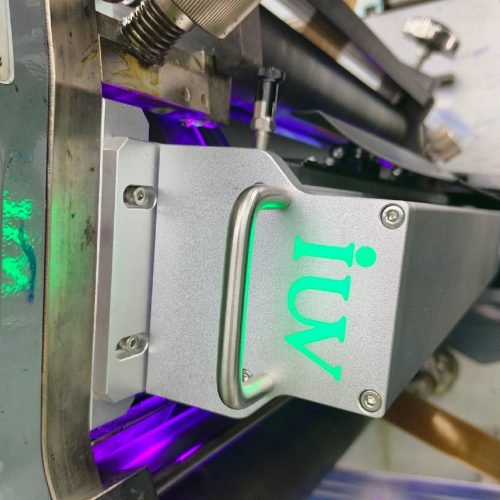
Traditional UV curing methods rely on mercury vapor lamps. These lamps generate significant heat, require a warm-up period, consume a considerable amount of energy, and have a limited lifespan. They also produce ozone as a byproduct, necessitating ventilation systems. LED UV curing, on the other hand, utilizes light-emitting diodes to produce UV light. The benefits are manifold and directly impact the efficiency and cost-effectiveness of narrow-web flexo printing:
- Instant On/Off: LEDs turn on and off instantly, eliminating warm-up times. This is critical for short runs where frequent starts and stops are common. It also allows for immediate job changes and reduces waste during setup.
- Lower Heat Emission: Compared to mercury lamps, LEDs emit far less infrared radiation, meaning less heat is transferred to the substrate. This opens up the possibility of printing on a wider range of heat-sensitive materials, including certain plastics and films, which are increasingly popular for label applications.
- Energy Efficiency: LEDs are significantly more energy-efficient than mercury lamps. They consume less power, leading to lower operational costs. This reduced energy consumption also translates to a smaller carbon footprint, an increasingly important consideration for print providers and their clients.
- Longer Lifespan: LED lamps have a much longer operational lifespan than mercury bulbs. This reduces maintenance costs and downtime associated with lamp replacement.
- Instant Curing: The high-intensity UV light from LEDs cures inks and coatings almost instantaneously. This allows for faster print speeds and immediate handling of printed materials, reducing the need for extensive drying tunnels and improving workflow.
- Improved Ink Adhesion and Durability: LED UV inks are specifically formulated to cure under LED light. When properly formulated and applied, they provide excellent adhesion, scratch resistance, and chemical resistance, meeting the demanding performance requirements of many label applications.
Optimizing for Short-Run Production
The combination of narrow-web flexo’s inherent speed and the advantages of LED UV curing makes it an ideal platform for short-run label production.
- Reduced Make-Ready Times: The instant on/off nature of LEDs, coupled with the efficiency of modern flexo plate mounting and anilox roll technology, drastically cuts down the time and material waste associated with setting up a new job. This means a printer can switch between different designs or batch sizes with minimal interruption and significantly less waste of substrate and ink.
- Cost-Effectiveness: By minimizing setup waste and energy consumption, the cost per label for short runs becomes far more competitive. This allows printers to offer attractive pricing for smaller print volumes, opening up new market opportunities.
- Flexibility and Responsiveness: Businesses can now order labels in the exact quantities they need, when they need them. This reduces the risk of obsolescence due to product changes or market shifts, and minimizes warehousing costs.
The Power of Variable Data Printing with LED Flexo
The integration of LED UV curing with narrow-web flexo also unlocks new potential for variable data printing. While traditional flexo wasn’t ideally suited for variable data, advancements in the technology, coupled with LED curing, are changing this perception.
- In-line Variable Data Integration: Some advanced narrow-web flexo presses can be equipped with in-line digital printing units. These units can print variable data (text, barcodes, QR codes, images) onto the substrate that has already been printed with static elements by the flexo stations. The LED UV curing stations located after these digital units ensure that the variable data is instantly cured and ready for the next process, or for finishing.
- Cost-Effective Personalization: For certain applications, printing the majority of the label design using flexo (which is highly efficient for static elements) and then overprinting variable data digitally can be more cost-effective than using an all-digital solution, especially if the static design is complex or requires specific spot colors achievable with flexo inks.
- Enhanced Functionality: Variable data enables dynamic product information, serialization for track-and-trace, personalized marketing campaigns, and interactive elements. LED-cured inks ensure the durability and scannability of this variable information.
Substrate Versatility
The reduced heat output from LED UV curing significantly broadens the range of printable substrates. This is particularly relevant in the label industry where innovation in materials is constant.
- Heat-Sensitive Films: Printing on thin plastic films, such as polyethylene (PE), polypropylene (PP), and polyester (PET), which can deform or degrade under the heat of traditional UV lamps or drying ovens, becomes feasible with LED UV. This is crucial for applications requiring durability, chemical resistance, or specific aesthetic properties.
- Specialty Papers and Foils: Delicate paper stocks, metallic foils, and textured materials can be printed without risk of damage or discoloration, expanding design possibilities.
Environmental and Operational Benefits
Beyond the direct impact on short-run and variable printing, LED UV technology offers broader advantages:
- Reduced VOCs: UV-curable inks, including LED UV inks, are typically 100% solids, meaning they contain no volatile organic compounds (VOCs). This contributes to a healthier working environment and reduces the need for expensive abatement systems.
- Lower Energy Consumption: As mentioned, LED lamps are far more energy-efficient. This directly translates to lower electricity bills and a reduced environmental footprint.
- Extended Equipment Lifespan: The reduced heat and vibration associated with LED lamps can contribute to a longer operational life for the curing equipment itself.
The Future is Flexible, Fast, and Variable
Narrow-web LED flexographic printing is not just a technological upgrade; it’s an enabler of new business models and enhanced customer service. It empowers print providers to be more agile, responsive, and profitable in an increasingly demanding market. For brands and product manufacturers, it means access to higher quality, more cost-effective labels, produced with greater flexibility and the ability to incorporate personalization and dynamic information. As the technology continues to mature and integrate further with digital workflows, its impact on the label printing industry will only continue to grow, solidifying its position as a true game-changer.