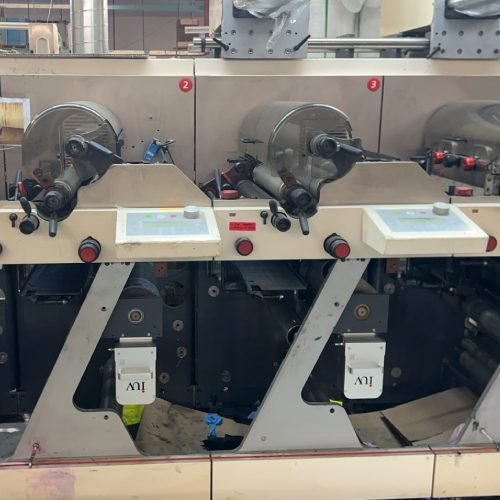
The demand for high-speed, high-quality label printing is ever-increasing. In this competitive landscape, achieving maximum throughput without compromising print integrity is paramount. Automated UV printing, particularly within the context of high-speed flexographic presses, presents a powerful solution. However, the true success of these advanced systems hinges critically on precision material handling. This encompasses everything from substrate loading to precise web tension control and accurate registration, all operating seamlessly at elevated speeds.
The integration of LED UV curing technology has been a game-changer for flexo printing. It offers instant drying, allowing for faster speeds and cleaner print environments. But even the most advanced UV systems will falter if the material isn’t managed with the utmost care and accuracy. Think of it as a finely tuned orchestra – every instrument must play its part perfectly in sync to produce beautiful music. In printing, the “material” is the sheet or web, and its precise handling is the conductor’s baton.
The Foundation of Speed: Substrate Management and Feeding
At the very beginning of the printing process lies substrate management. For high-speed flexo presses, whether printing on film, paper, or board, the initial loading and feeding mechanism must be robust and error-free. Automated systems are key here, minimizing manual intervention and reducing the risk of jams or misfeeds.
Loading is often done via large rolls or stacks. For roll-fed presses, sophisticated unwind stands with automatic splice detection and preparation are essential. These systems allow for near-continuous operation, seamlessly joining a new roll to the tail end of the previous one without significantly interrupting the print run. The splice itself needs to be designed and executed with precision to pass through the print stations without snagging or causing registration issues.
For sheet-fed operations, though less common in narrow web flexo, automated feeders utilize vacuum or air jets to lift and present sheets consistently to the transfer system. Regardless of the format, the goal is consistent, accurate presentation of the material into the press. Any deviation here, even a slight skew or misalignment, will cascade through the entire process, impacting print quality and potentially leading to waste.
Tension Control: The Unseen Hand of Quality
Web tension control is arguably one of the most critical elements in high-speed flexo printing, especially when employing UV curing. The web must be held at a consistent tension as it travels through the press. Too little tension, and the web can become wavy, leading to poor ink transfer, registration problems, and potential snagging on print heads or curing units. Too much tension, and the substrate can stretch, distorting the printed image, or even cause excessive wear on press components.
Modern flexo presses employ sophisticated closed-loop tension control systems. These typically involve dancer rollers or load cells that constantly monitor web tension. This data is fed back to a controller that adjusts the speed of driven rollers or the braking force on unwind mandrels to maintain the target tension. For UV printing, where the ink is still fluid before curing, maintaining consistent tension is even more vital to prevent ink spread or smearing.
The dynamics of tension change as the diameter of the ink roll decreases. Automated systems must compensate for this constantly. Furthermore, different substrates have vastly different tension requirements. A thin, flexible film will demand different handling than a thicker, more rigid paperboard. The precision lies in the system’s ability to adapt and maintain the correct tension for the specific material being printed, at any given speed.
Registration: The Art of Perfect Alignment
Accurate registration is the hallmark of professional printing. In high-speed flexo, achieving and maintaining perfect registration across multiple print stations, especially with the rapid drying of UV inks, requires advanced automation. Misregistration leads to fuzzy edges, color inaccuracies, and ultimately, unusable product.
Automated registration systems use optical sensors or cameras to monitor the position of the printed web relative to registration marks or existing print features. These sensors detect any lateral or longitudinal drift. The system then sends signals to servo motors that control the position of individual print cylinders or impression rollers, making micro-adjustments in real-time to keep the print perfectly aligned.
When using UV inks, the rapid drying means that any slight shift during the printing process can lead to a permanent misregistration. The precision of the material handling system, coupled with the responsiveness of the registration system, is what ensures that each color is laid down in the exact intended position, even at speeds of hundreds of meters per minute. This is particularly important for multi-color labels and packaging where intricate designs require exacting detail.
The Role of UV Curing in Material Handling
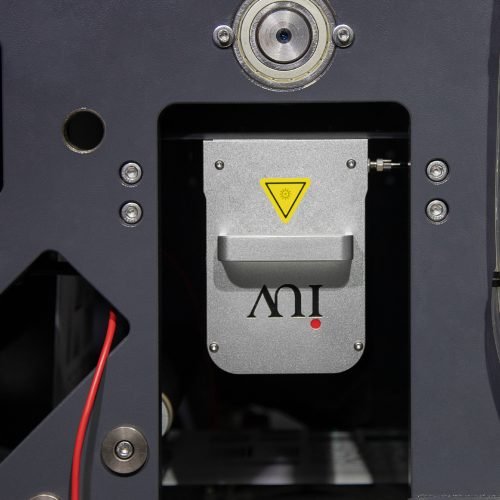
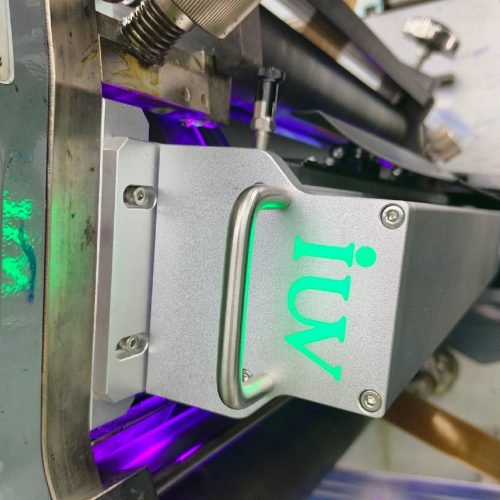
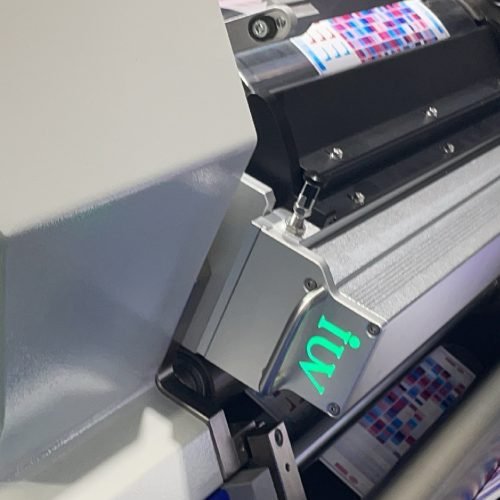
LED UV curing technology plays a dual role in precision material handling. Firstly, as mentioned, its rapid drying capabilities allow for higher press speeds by eliminating the drying bottlenecks associated with traditional inks. This means the web can move faster, increasing productivity.
Secondly, the nature of UV curing can influence material handling. UV lamps, especially older mercury vapor types, can generate significant heat. This heat can affect the dimensional stability of heat-sensitive substrates, causing them to expand or contract. This necessitates careful consideration of the distance of the lamps from the web and the airflow around the curing area. LED UV systems generate far less heat, offering a significant advantage in this regard, allowing for more stable material handling even at high speeds.
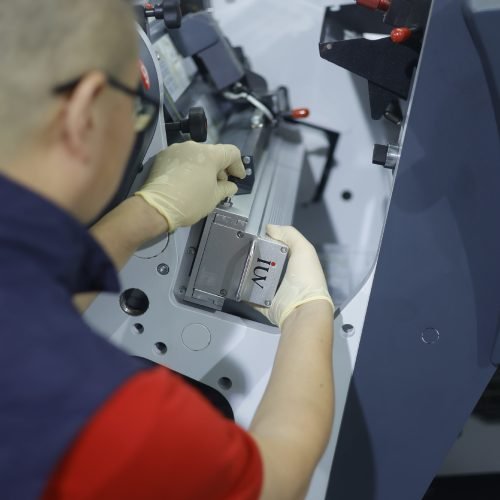
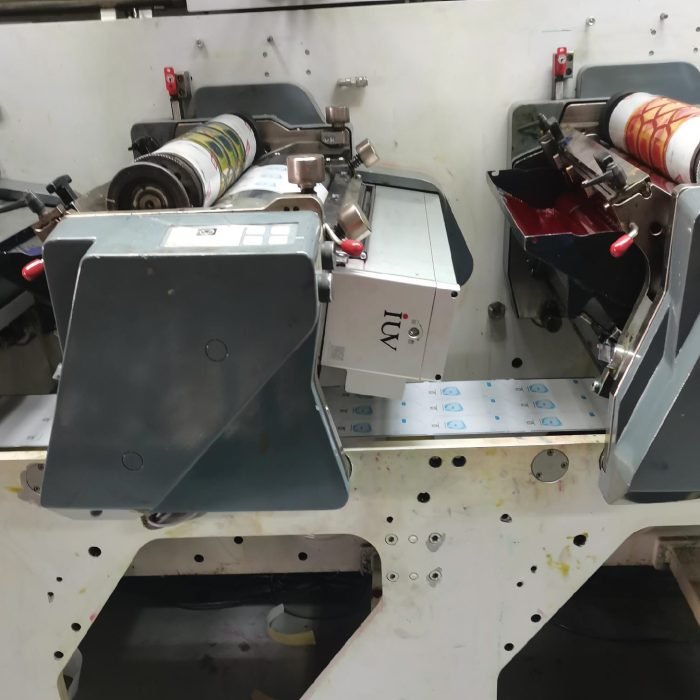
The placement of the UV curing units themselves must also be precise. They need to be positioned directly after the print station they are serving to cure the ink before it can be smudged by subsequent rollers or the web moving against itself. The automated alignment of these units, along with the precise control of their output, ensures efficient curing without negatively impacting the substrate.
Narrow Web Flexo and Specialized Handling Needs
The narrow web flexo sector, a primary application for this technology, often deals with a wide variety of substrates, including self-adhesive labels, shrink sleeves, and flexible packaging films. These materials can vary greatly in thickness, surface energy, and flexibility.
Precision material handling systems designed for narrow web presses must be versatile. This means having adjustable roller pressures, variable speed drives, and adaptable tension control zones. The automation allows operators to quickly set up for different jobs and materials, minimizing downtime between runs. For example, switching from a relatively stiff paper label stock to a very thin, stretchy polyethylene film requires significant adjustments in tension and web path. Automated pre-set programs for different material types can drastically speed up this transition.
Furthermore, in-line finishing processes common in narrow web printing, such as die-cutting, slitting, or embellishment, all rely on the precise and stable passage of the printed web. Any wobble or drift in the web will directly translate into poor cut quality or damaged embellishments.
The Future: Enhanced Automation and Data Integration
The trend is towards even greater automation and data integration. Advanced presses are now equipped with sophisticated sensors that monitor not just tension and registration, but also ink density, color consistency, and substrate condition. This data can be used to provide real-time feedback to the material handling systems, enabling even finer adjustments.
The concept of “Industry 4.0” is increasingly relevant. This involves interconnected systems that can communicate with each other. Imagine a material handling system that can automatically adjust its parameters based on incoming job specifications and real-time sensor data from the entire press. This level of integration promises unprecedented levels of efficiency, quality, and waste reduction in high-speed UV flexo printing.
In conclusion, while the allure of high-speed flexo presses and advanced LED UV curing is undeniable, the foundation of their success lies in precision material handling. From the initial feeding of the substrate to the minute adjustments in tension and registration, every step demands meticulous control. As the printing industry continues to evolve, investing in and optimizing these automated material handling systems will be crucial for printers looking to stay competitive, deliver exceptional quality, and maximize their operational throughput.