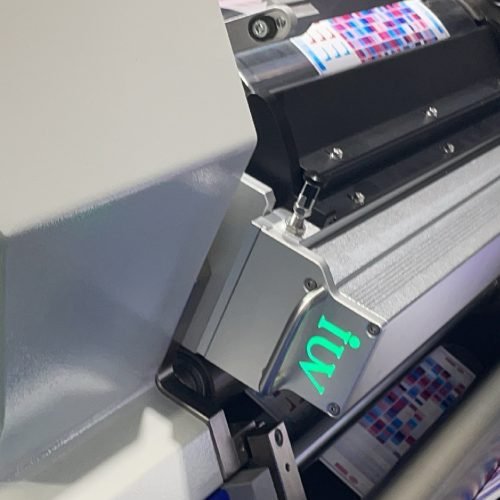
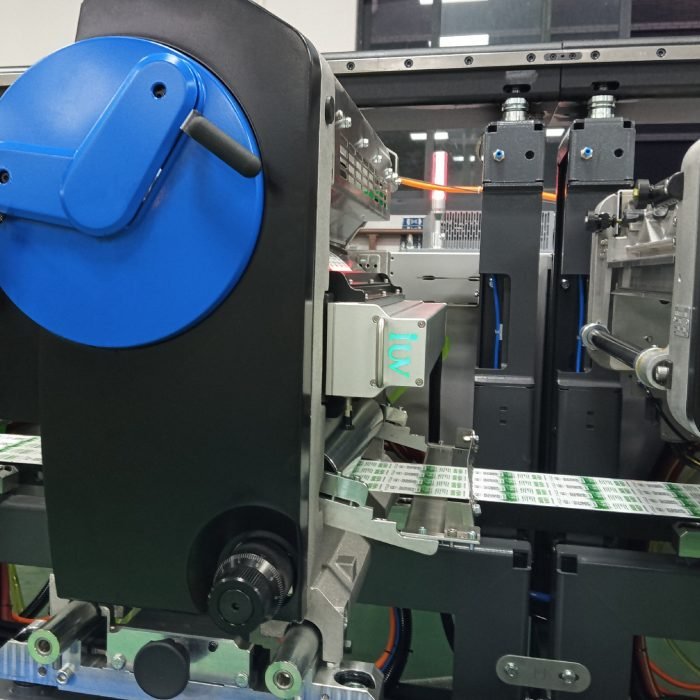
The printing industry is in a constant pursuit of efficiency and cost-effectiveness. For businesses focused on label printing, flexible packaging, and narrow web applications, operational costs can quickly add up. A significant area where savings can be realized is in the curing process. Traditional methods, while tried and true, often come with substantial energy demands and maintenance overhead. The advent of next-generation UV LED curing solutions offers a compelling alternative, promising not just improved performance but also a dramatic reduction in your bottom line.
Understanding the Core of UV LED Curing
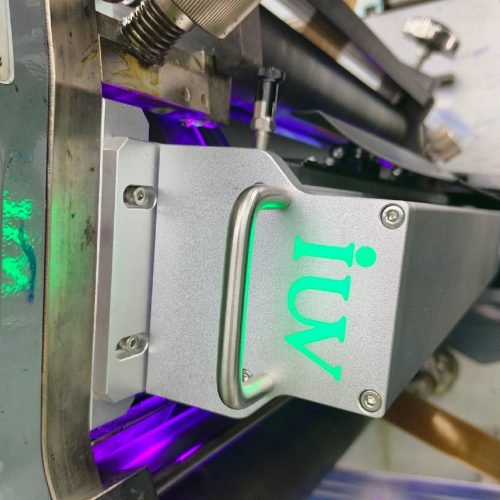
At its heart, UV LED curing is a photochemical process. It utilizes ultraviolet (UV) light emitted from light-emitting diodes (LEDs) to instantly cure or dry inks, coatings, and adhesives. Unlike conventional UV lamps that rely on mercury vapor, UV LEDs emit a narrow band of UV light at specific wavelengths. This precision is key to their efficiency and the benefits they bring.
When UV-curable inks and coatings are exposed to this specific UV light, photoinitiators within their formulation absorb the energy. This absorption triggers a rapid polymerization reaction, transforming the liquid ink or coating into a solid, durable film almost instantaneously. This process is remarkably fast, often taking less than a second.
The Economic Advantages: Direct Cost Reductions
The most immediate impact of transitioning to UV LED curing is seen in direct operational cost savings. These savings stem from several critical factors.
1. Energy Efficiency: This is arguably the most significant economic driver. Traditional mercury vapor UV lamps are notoriously power-hungry. They generate a broad spectrum of UV light, much of which is wasted heat. They also require a warm-up period and often operate at full power even when the press is not running at maximum speed. UV LEDs, conversely, are highly energy-efficient. They convert a much larger percentage of electrical energy into usable UV light. They also reach full intensity immediately upon activation and can be switched on and off instantly, meaning energy is only consumed when actively curing. For a busy label printer running multiple jobs daily, this translates into substantial electricity bill reductions over time.
2. Extended Lamp Life and Reduced Maintenance: Mercury vapor lamps have a limited lifespan, typically measured in hundreds or a few thousand hours of operation. They require frequent replacement, a process that involves downtime and the cost of new lamps. Furthermore, the heat generated by these lamps can stress other press components. UV LEDs, on the other hand, boast an incredibly long operational life, often rated for 20,000 to 50,000 hours or even more. This means far fewer replacements, less downtime for maintenance, and a more predictable operational budget. The absence of mercury also contributes to a more environmentally friendly process.
3. Reduced Cooling Requirements: The substantial heat output from traditional UV lamps necessitates robust and energy-intensive cooling systems. This adds to the overall energy consumption of the printing press. UV LEDs generate significantly less waste heat. While some cooling is still required to maintain optimal LED performance, it is far less demanding and consumes less energy, contributing further to cost savings.
Enhancing Productivity and Throughput
Beyond direct cost reductions, UV LED curing significantly boosts productivity, which indirectly lowers operational costs by enabling higher output.
1. Instant Curing Speeds: The ability to cure inks and coatings instantaneously allows printing presses to run at much higher speeds. This is particularly beneficial in high-volume applications like narrow web label printing and flexible packaging, where speed directly correlates with throughput and profitability. Less time spent waiting for ink to dry means more substrate processed per hour.
2. Consistent Performance: UV LEDs offer a consistent and stable UV output throughout their lifespan. This ensures reliable and repeatable curing results job after job. Traditional lamps can experience a decline in output over time, leading to inconsistent drying and potential quality issues, requiring press speed adjustments or even rework. The consistent performance of LEDs minimizes such variables.
3. Enabling New Applications: The precise control and high intensity of UV LED curing open doors to new application possibilities. This includes printing on heat-sensitive substrates that cannot withstand the heat of conventional drying methods. For label printers, this might mean the ability to print on delicate films or foils without distortion. For flexible packaging, it expands the range of materials that can be used. This versatility can lead to new market opportunities and increased revenue streams.
Specific Benefits for Different Printing Sectors
The advantages of UV LED curing are particularly pronounced in specific printing sectors:
Narrow Web and Label Printing
In the narrow web sector, where label production dominates, speed and efficiency are paramount. UV LED curing enables presses to achieve the highest possible speeds without compromising print quality. The instant curing allows for immediate rewinding and finishing, reducing bottlenecks. Furthermore, the ability to cure on a wider range of substrates, including plastics and foils often used for specialized labels, provides a competitive edge. Reduced heat also minimizes the risk of substrate shrinkage, a common issue with heat-set inks on thin films.
Flexible Packaging and Wide Web Printing
For flexible packaging, print quality, durability, and food safety are critical. UV LED curing provides excellent adhesion and scratch resistance, crucial for product longevity. The low heat output is ideal for thin films commonly used in packaging, preventing deformation. Moreover, UV LED curing systems can be designed to operate within specific wavelength ranges that are more compatible with food-contact regulations, offering peace of mind. The efficiency gains translate to lower per-unit production costs, making businesses more competitive in this demanding market.
Offset and Flexographic Printing Enhancements
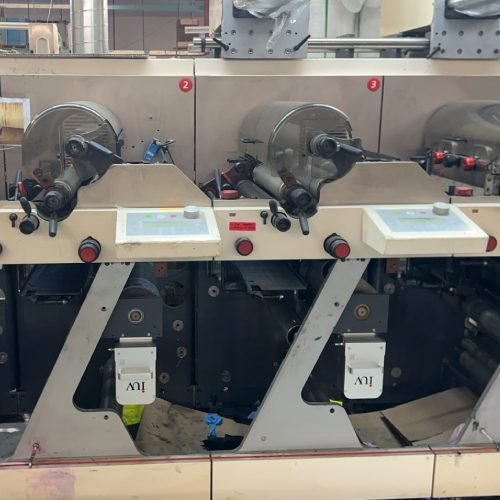
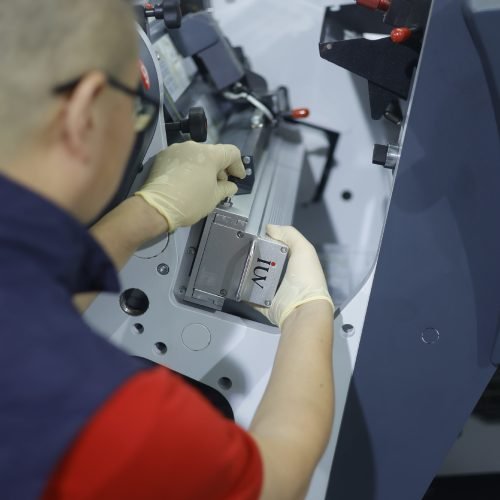
While often associated with digital printing, UV LED technology is also revolutionizing conventional methods like flexography and offset printing, particularly in the narrow web and packaging space. Retrofitting flexographic presses with UV LED units allows for faster run speeds and the use of UV-curable inks and coatings that offer superior durability and performance compared to traditional solvent-based systems. For offset printers, UV LED curing can eliminate the need for inter-deck drying, saving space and energy, while also allowing for immediate handling of printed sheets.
The Transition: Considerations for Implementation
Adopting UV LED curing is a strategic investment. While the long-term benefits are clear, a smooth transition requires careful planning.
- System Integration: Ensure the chosen UV LED curing system is compatible with your existing printing press. Factors like physical dimensions, power requirements, and integration with press controls are crucial.
- Ink and Coating Selection: Not all inks and coatings are formulated for UV LED curing. You will need to select UV LED-curable inks and coatings that match your application and performance requirements. Fortunately, the range of available options is constantly expanding.
- Wavelength Compatibility: UV LEDs emit specific wavelengths. Ensure these wavelengths align with the photoinitiators in your chosen inks and coatings for optimal curing. Common wavelengths include 365nm, 385nm, 395nm, and 405nm.
- Operator Training: While UV LED systems are generally simpler to operate than their mercury vapor counterparts, proper training for press operators on their use, maintenance, and safety is still important.
A Clear Path to Enhanced Profitability
The move towards next-generation UV LED curing solutions represents more than just an upgrade; it’s a fundamental shift towards a more sustainable, efficient, and profitable printing operation. By significantly reducing energy consumption, minimizing maintenance, and enabling higher production speeds, UV LED technology offers a clear and compelling path to lowering operational costs across label printing, flexible packaging, and narrow web applications. Embracing this technology is not just about staying current; it’s about building a more resilient and competitive future for your printing business.