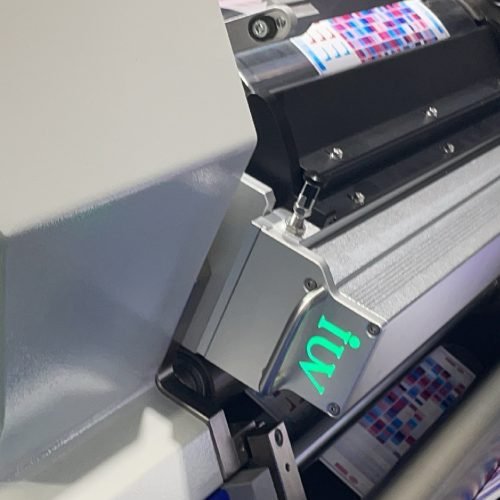
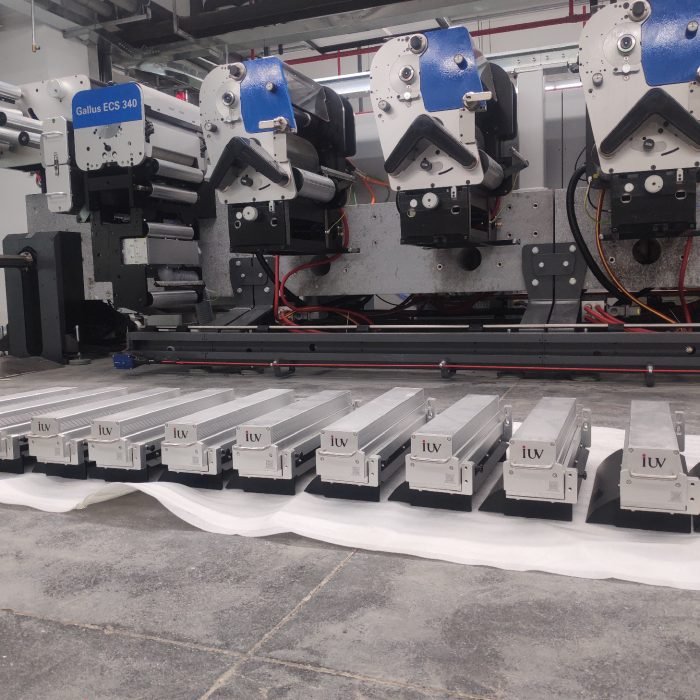
The printing industry is constantly evolving, with advancements in technology aiming to improve efficiency, quality, and sustainability. One area that has seen significant innovation is UV curing technology. Traditionally, mercury vapor lamps have been the go-to for UV curing in flexographic and offset printing processes. However, the emergence of High-Intensity LED Curing systems is revolutionizing the way printers approach defect reduction and overall print quality. This article delves into how these advanced LED systems are making a substantial impact, particularly in the demanding world of narrow web, flexo, and offset printing.
The Challenge of Print Defects
Print defects are a persistent concern for any printing operation. In narrow web printing, especially for labels and packaging, even minor imperfections can lead to costly reprints, material waste, and damaged brand reputation. Common defects include:
- Incomplete Curing: This can result in poor ink adhesion, smudging, and a sticky surface. It’s often caused by insufficient UV energy reaching the ink layer, especially with thicker ink films or in areas with high ink density.
- Ink Migration: Uncured or partially cured ink components can transfer to other surfaces, posing a risk in food packaging and leading to contamination concerns.
- Halation and Ghosting: These optical defects, where light halos or faint ghost images appear around printed elements, can sometimes be exacerbated by curing inconsistencies.
- Poor Rub Resistance: Incomplete curing directly impacts the durability of the print. If the ink isn’t fully cross-linked, it will be more susceptible to scratching and rubbing off.
- Color Shift: Inconsistent curing can lead to variations in the final color appearance, making it difficult to achieve color consistency across a print run.
Traditional UV Curing Limitations
While mercury vapor lamps have served the industry well, they come with certain drawbacks that can contribute to print defects:
- Heat Generation: Mercury lamps produce a significant amount of heat, which can cause substrate distortion, especially with heat-sensitive materials common in label printing. This heat can also lead to premature drying of inks on the printing plates or anilox rolls.
- Wavelength Specificity: Mercury lamps emit a broad spectrum of UV light. While this can cure many inks, it’s not always optimized for specific UV ink formulations. Certain wavelengths might be more efficient for curing than others, and the broad spectrum can lead to wasted energy and inconsistent curing.
- Energy Consumption and Warm-up Time: These lamps are energy-intensive and require a warm-up period to reach full intensity. This impacts efficiency and can lead to inconsistencies at the start of a print run.
- Lamp Degradation and Replacement: Mercury lamps degrade over time, and their output diminishes, necessitating frequent replacement. This adds to operational costs and can introduce variability if not managed precisely.
- Environmental Concerns: Mercury is a hazardous substance, and the disposal of spent lamps requires special procedures, adding to environmental management burdens.
The Rise of High-Intensity LED Curing
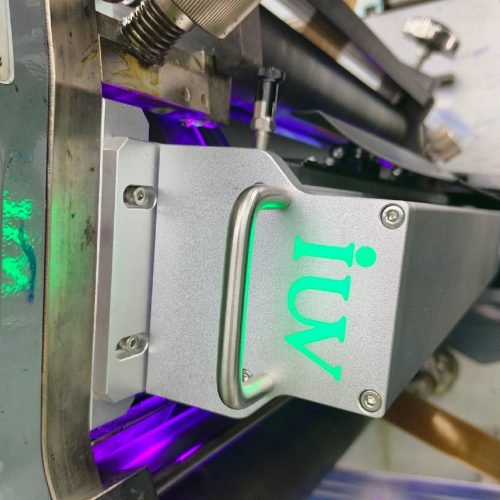
High-Intensity LED curing systems offer a compelling alternative, addressing many of the limitations of traditional UV lamps and directly impacting defect reduction in flexo and offset printing. The technology utilizes light-emitting diodes (LEDs) to produce UV light at specific, narrow wavelengths.
Key Advantages of LED UV Curing:
- Precise Wavelength Control: LEDs can be engineered to emit UV light at very specific wavelengths (e.g., 365 nm, 385 nm, 395 nm, 405 nm). This precision allows for optimal matching with the photoinitiators in UV ink formulations. When the LED wavelength precisely matches the photoinitiator’s absorption spectrum, curing is significantly more efficient and complete. This leads to better ink adhesion and rub resistance, directly reducing defects caused by incomplete curing.
- High Intensity and Uniformity: Modern LED systems are designed to deliver high-intensity UV output uniformly across the print width. This consistent energy delivery ensures that every part of the printed image receives adequate UV exposure, minimizing variations that can lead to defects like color shifts or incomplete curing in specific areas.
- Low Heat Emission: LEDs generate very little infrared heat. This is a game-changer for narrow web printing on heat-sensitive substrates like thin films or foils. Reduced heat prevents substrate shrinkage, warping, and blistering, ensuring dimensional stability and improving print quality. It also prevents premature ink drying on the anilox rolls and plates.
- Instant On/Off and Fast Response: LEDs reach their full intensity immediately upon activation and turn off instantly. This eliminates warm-up times and allows for precise control of UV exposure. It’s particularly beneficial for intermittent printing applications or when starting and stopping the press, ensuring consistent curing from the very first impression.
- Longer Lifespan and Stability: LED arrays have a significantly longer operational lifespan than mercury lamps, often exceeding 20,000-50,000 hours. Their light output remains stable throughout their life, meaning predictable performance and fewer unexpected changes in curing intensity, which helps maintain consistent print quality and reduce defects over time.
- Energy Efficiency: LEDs are much more energy-efficient than mercury lamps. They consume less power to produce the same amount of effective UV output, leading to reduced electricity costs and a smaller carbon footprint.
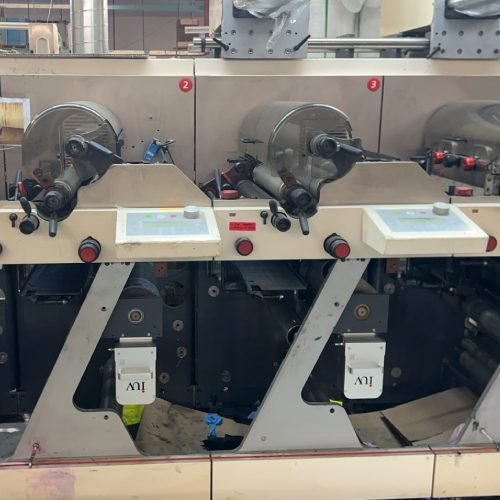
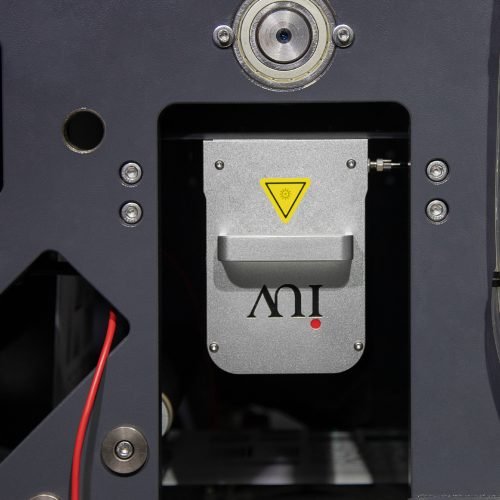
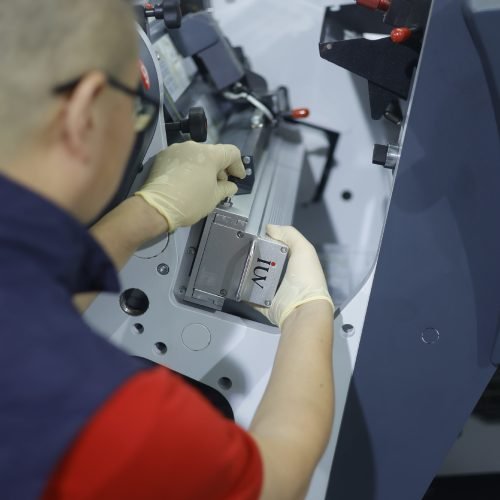
- Compact Design and Integration: LED curing systems are generally more compact than traditional arc lamp systems, making them easier to integrate into existing flexo and offset printing presses, especially in the confined spaces of narrow web machines.
Impact on Flexographic and Offset Printing
The benefits of high-intensity LED curing translate directly into defect reduction strategies for both flexographic and offset printing, particularly in narrow web applications.
In Flexographic (Flexo) Printing:
Flexo printing, with its inherent variable dot gain and relief plate characteristics, can be susceptible to curing issues. LED UV curing offers:
- Improved Ink Adhesion on Diverse Substrates: Flexo often runs on a wide array of materials, including non-porous plastics and foils. Precise wavelength control from LEDs ensures that UV inks cure effectively and bond strongly to these challenging surfaces, reducing the likelihood of rub-offs and poor adhesion defects.
- Reduced Anilox Roll and Plate Drying: The low heat output prevents inks from drying prematurely on the anilox roll cells or the printing plates. This ensures smooth ink transfer and consistent print density, avoiding defects related to clogs or uneven ink laydown.
- Enhanced Detail Reproduction: With consistent and efficient curing, fine details and highlight dots can be rendered more crisply, reducing the blurring or softening that can sometimes occur with less controlled curing methods.
In Offset Printing:
Offset printing, especially sheetfed and web offset, also benefits significantly:
- Consistent Curing Across Long Runs: The stable and predictable output of LED systems ensures that curing quality remains consistent throughout extended print runs, minimizing variations that could lead to color drift or adhesion issues over time.
- Reduced Paper Shrinkage and Deformation: In heat-set offset printing, the intense heat from traditional lamps can cause paper to shrink or warp. LED curing’s low heat profile helps maintain paper stability, leading to better registration and fewer dimensional defects.
- Faster Throughput: The instant on/off capability and efficient curing allow presses to run at higher speeds without compromising ink cure, leading to increased productivity and reduced time spent on post-print processes.
Narrow Web Printing Specifics:
The demands of narrow web printing – often for labels, flexible packaging, and other specialty items – make LED curing particularly advantageous:
- Handling of Heat-Sensitive Materials: As mentioned, labels and packaging frequently use thin films, foils, and delicate papers that are highly sensitive to heat. LED curing’s cool operation is critical for preventing substrate deformation, dimensional instability, and potential damage to the material itself.
- High-Quality Aesthetics: For brand owners, the visual appeal of labels and packaging is paramount. Consistent, defect-free printing enabled by reliable LED curing ensures vibrant colors, sharp text, and a premium finish that meets brand expectations.
- Food Safety Compliance: Inks used in food packaging must fully cure to prevent migration of uncured components. The thorough and efficient curing achieved with optimized LED wavelengths significantly enhances ink adhesion and cross-linking, contributing to safer food packaging.
Implementing LED Curing for Defect Reduction
To fully leverage the benefits of high-intensity LED curing for defect reduction, consider the following:
- Ink Formulation: Ensure your UV ink supplier offers formulations optimized for the specific wavelengths of your chosen LED system. This is crucial for achieving maximum curing efficiency.
- UV Energy Measurement: Regularly measure the UV energy output (irradiance) reaching the substrate using a radiometer. This ensures the system is performing as expected and that sufficient energy is being delivered for proper cure.
- Process Control: Integrate LED curing into your overall press control system for consistent and repeatable results. Monitor parameters like press speed, ink laydown, and LED power settings.
- Substrate Compatibility: While LEDs are generally good for heat-sensitive substrates, always confirm compatibility with your specific materials and ink combinations.
Conclusion
The transition to High-Intensity LED Curing in flexographic and offset printing, especially within the narrow web sector, represents a significant leap forward. By offering precise wavelength control, low heat emission, exceptional uniformity, and long-term stability, LED technology directly addresses many common causes of print defects. This leads to improved ink adhesion, enhanced rub resistance, better substrate integrity, and greater color consistency. For printers seeking to elevate print quality, reduce waste, and enhance their competitive edge, embracing LED UV curing is no longer just an option – it’s a strategic imperative for defect-free, high-performance printing.