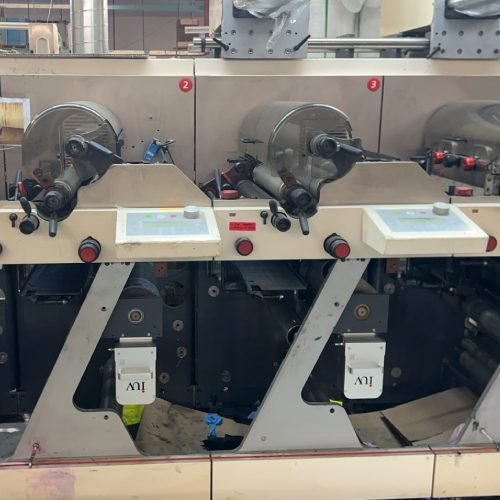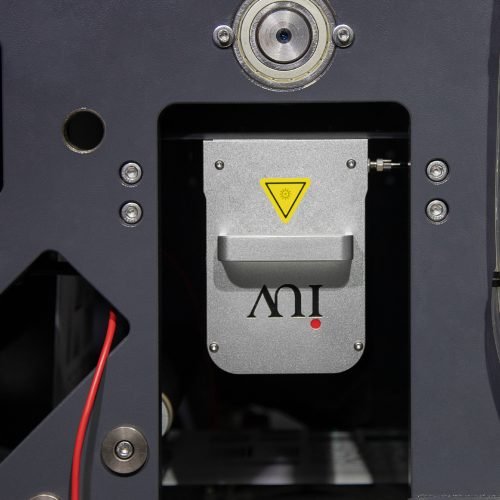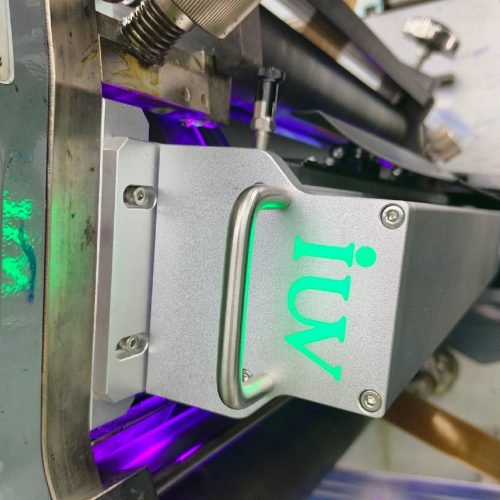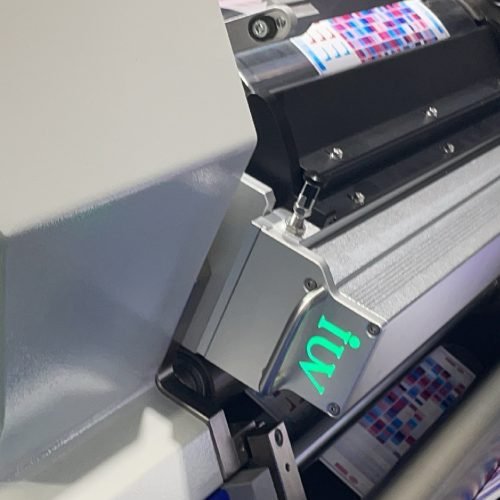

In narrow web label production, LED UV curing systems operate as critical process units rather than auxiliary devices. Their performance directly affects ink polymerization, adhesion, and surface durability. As press speeds increase and job changeovers become more frequent, real-time visibility of curing conditions becomes essential. Remote monitoring through industrial communication protocols allows printers to maintain process stability without interrupting production.
Modbus TCP has become a common communication standard in flexographic and letterpress presses. It enables LED UV systems to exchange operating data with press PLCs, HMIs, and plant-level monitoring platforms. Proper configuration ensures reliable data flow, supporting consistent curing across long production runs.
Fundamentals of Modbus TCP in Printing Equipment
Modbus TCP is an Ethernet-based protocol designed for industrial automation. It uses a client-server model, where a master device requests data from connected slave devices. In a label press environment, the PLC or supervisory system typically acts as the client, while the LED UV controller functions as the server.
This protocol is well suited for UV curing systems because it supports deterministic communication over standard Ethernet infrastructure. Parameters such as output power, temperature, fault status, and operating hours can be accessed in real time. This visibility allows operators to react quickly to deviations that could affect print quality.
Why LED UV Systems Benefit from Modbus TCP
LED UV curing units operate under high thermal and electrical loads. In narrow web printing, even small variations in irradiance can lead to curing defects. Modbus TCP communication enables continuous monitoring of critical parameters without manual inspection.
By integrating LED UV data into the press control architecture, printers gain a centralized view of curing performance. This supports preventive maintenance, reduces unplanned downtime, and improves overall equipment effectiveness.
Network Architecture for Label Press Integration
A typical configuration places the LED UV controller on the same industrial Ethernet network as the press PLC. A dedicated IP address is assigned to the UV controller to ensure stable communication. Network switches should support industrial temperature ranges and provide low-latency data transmission.
Segmentation of the press network from office IT systems is recommended. This prevents traffic congestion and protects curing system communication from external interference. Stable network architecture is the foundation for reliable Modbus TCP operation.
Address Mapping and Register Structure
Modbus TCP communication relies on register mapping. Each operating parameter of the LED UV system is assigned to a specific register address. These registers may contain values for output intensity, diode temperature, fan speed, fault codes, and system status.
Accurate documentation of the register map is essential. The PLC programmer must align data types and scaling factors with the LED UV controller specifications. Incorrect mapping can result in misleading data or communication errors that compromise monitoring accuracy.
Step-by-Step Communication Setup
Configuration begins by assigning IP parameters to the LED UV controller. The IP address, subnet mask, and gateway must match the press network configuration. Once network connectivity is confirmed, Modbus TCP communication settings are enabled within the controller interface.
The PLC or monitoring system is then configured to poll the LED UV registers at defined intervals. Polling rates should balance data freshness with network load. In high-speed label production, moderate polling frequencies provide sufficient visibility without overloading the system.
Data Points Relevant to UV Curing Control
Not all available data points are equally critical. For label printing, the most valuable parameters include real-time output power, cumulative operating hours, internal temperature, and alarm status. These values provide a direct link between curing system health and print quality.
Monitoring output power helps identify gradual degradation before curing margins are compromised. Temperature data highlights cooling efficiency and potential thermal stress. Alarm registers allow immediate response to faults that could interrupt production.
Integration with Press HMI and MES
Once Modbus TCP communication is established, LED UV data can be displayed on the press HMI. Operators gain instant access to curing status without leaving the press console. This improves response time and reduces reliance on manual checks.
At a higher level, data can be forwarded to manufacturing execution systems. This enables long-term analysis of curing performance across jobs, shifts, and substrates. Such insight supports continuous improvement in flexographic and letterpress label production.
Reliability Considerations in High-Speed Printing
High-speed narrow web presses demand robust communication. Cable quality, connector integrity, and electromagnetic compatibility all influence Modbus TCP reliability. Shielded Ethernet cables and proper grounding reduce noise from servo drives and power electronics.
Redundant communication checks within the PLC logic help detect data loss or delays. When communication faults occur, the system should default to safe curing settings to protect print quality until normal operation resumes.
Cybersecurity and Access Control
As LED UV systems become network-connected, access control becomes important. Only authorized devices should be allowed to read or write Modbus registers. Firewalls and managed switches can restrict access to the press network.
Read-only access is often sufficient for monitoring purposes. Write access should be limited to controlled scenarios to prevent unintended changes to curing parameters during production.
Maintenance Advantages of Remote Monitoring
Remote access to LED UV operating data simplifies maintenance planning. Service teams can analyze trends in output power and temperature without stopping the press. This reduces reactive maintenance and extends the effective life of curing components.
In label production environments with multiple presses, centralized monitoring allows comparison of curing performance across machines. This supports standardized operating practices and consistent product quality.
Practical Impact on Print Quality and Productivity
Reliable Modbus TCP monitoring ensures that curing conditions remain stable throughout long runs. Consistent UV output supports uniform ink polymerization, strong adhesion, and predictable gloss levels.
By detecting deviations early, printers avoid scrap and rework. This directly improves productivity and reduces material waste, which is critical in high-volume label manufacturing.
Long-Term Process Control Benefits
Integrating LED UV systems into the press communication framework transforms curing into a controllable process variable. Data-driven decision-making replaces reactive adjustments based on visual inspection alone.Over time, this approach leads to tighter process windows, higher press utilization, and improved confidence in demanding label applications.