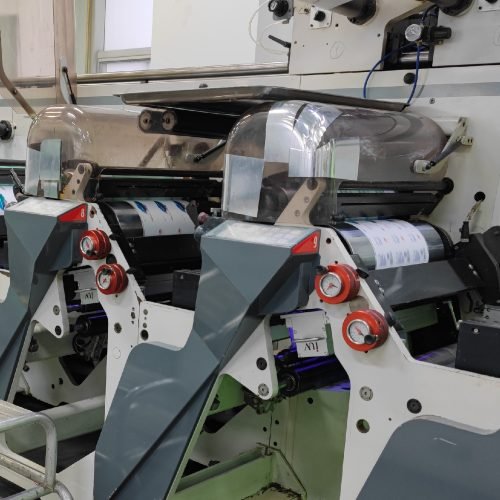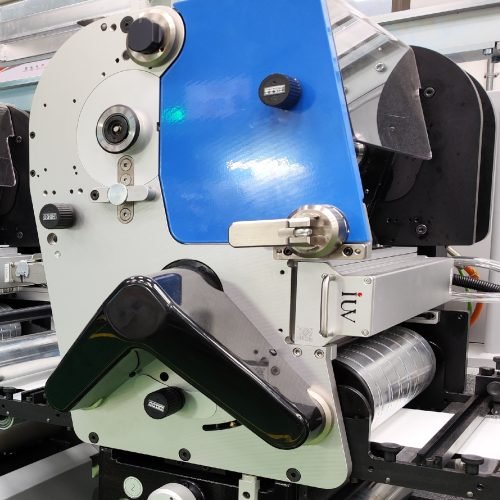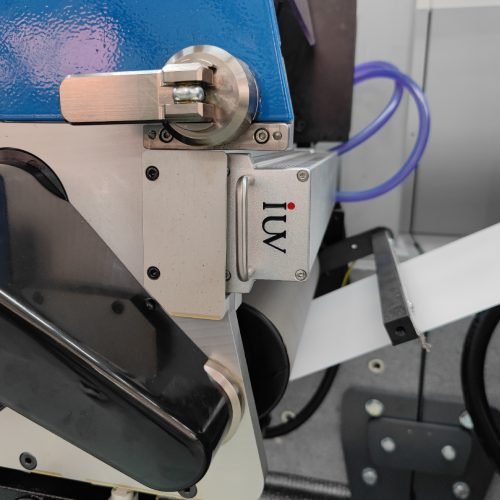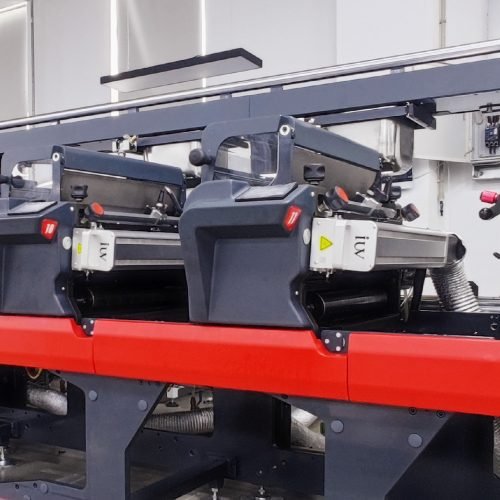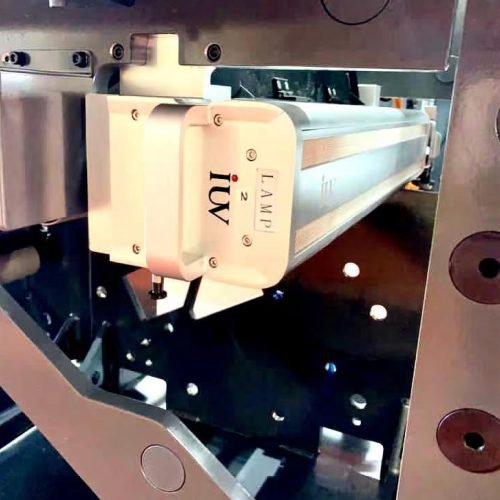
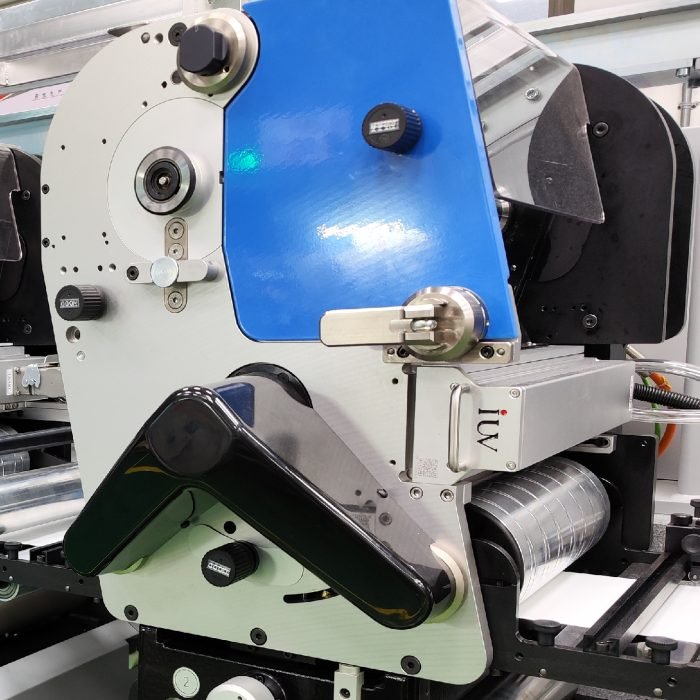
Installing UV LED curing systems on legacy flexographic presses offers a significant upgrade in efficiency, print quality, and operational control for narrow web converters. Legacy presses often rely on traditional mercury UV lamps, which generate high heat, require warm-up periods, and have shorter lifespans. Transitioning to LED UV technology provides immediate output stability, lower energy consumption, and more consistent polymerization. This tutorial outlines practical steps and considerations for retrofitting presses, optimizing curing, and achieving reliable production results for labels, flexible packaging, and specialty printing applications.
Assessing Press Compatibility
Before beginning the installation, evaluate the existing flexo press layout, electrical supply, and mechanical tolerances. LED UV modules are more compact than conventional lamps, allowing them to fit within limited press spaces. Legacy presses may require minor adjustments to accommodate the LED modules without compromising registration or web path. Ensure that the press frame can support the module weight, and verify access points for cooling and electrical connections. Aligning the LED wavelength with the photoinitiators in the current ink set is critical for achieving complete polymerization.
Electrical and Cooling Preparations
LED UV systems operate at lower voltage levels compared to mercury lamps but may require dedicated circuits to ensure stable operation. Review the press’s electrical infrastructure and consider dedicated power feeds to avoid fluctuations. Cooling is another critical factor. LED modules produce less heat but still require airflow to maintain consistent irradiance. Installing ducting or integrating press cooling fans can prevent localized temperature spikes that may distort heat-sensitive substrates such as PET or BOPP.
Mechanical Integration
Positioning the LED module precisely above the inked area ensures uniform curing. Adjustable mounting brackets allow fine-tuning of the gap between the LED array and the substrate. This distance directly influences irradiance intensity and curing consistency. When retrofitting multiple curing stations, maintain alignment across the web path to prevent banding, undercured areas, or inconsistent gloss. Test the module at low speed to verify that registration and web tension remain stable before full-speed operation.
Optimizing Irradiance
LED UV curing success depends on matching light output to ink formulation and substrate type. Begin with manufacturer-recommended irradiance settings and gradually adjust based on ink coverage, substrate opacity, and press speed. For multi-color wet-on-wet sequences, balance the curing dose for each color station to avoid interlayer contamination. Measuring tools such as UV meters can help monitor real-time output and ensure uniform energy delivery. Maintaining consistent irradiance prevents common issues such as adhesion failures, dot gain, or gloss inconsistency.
Integrating Control Systems
Modern LED UV systems include digital control units for adjusting intensity, monitoring lamp health, and recording operating hours. Integrating these controls with the press interface allows operators to fine-tune curing conditions during production. For legacy presses, consider standalone controllers that can be linked to speed sensors or web tension monitors. This integration ensures that curing intensity adjusts dynamically with press speed, maintaining polymerization consistency even at high production rates.
Trial Runs and Fine-Tuning
After installation, conduct trial runs with representative substrates and inks. Monitor key performance indicators such as adhesion, gloss uniformity, and dot fidelity. Adjust the LED module height, power output, and dwell time as needed. Evaluate results for both standard and heat-sensitive labels. For flexible packaging or specialty films, minor adjustments to curing angles or intensity may be necessary to achieve full polymerization without substrate distortion.
Maintenance and Long-Term Reliability
LED UV systems offer longer lifespans than mercury lamps but require periodic maintenance. Keep quartz optics clean to ensure consistent irradiance and monitor LED output over time. Cleaning procedures should minimize contact with sensitive optics while removing dust and ink residue. Periodic system checks, including temperature and electrical performance, help sustain production reliability and extend module life. Unlike traditional lamps, LEDs avoid mercury handling concerns and provide consistent performance without significant warm-up or decay.
Benefits of Retrofitting Legacy Presses
Retrofitting legacy flexographic presses with UV LED modules offers immediate advantages. Energy efficiency improves due to lower electrical consumption and reduced heat load. Print quality benefits from precise and uniform curing, enhancing adhesion, gloss, and color fidelity. Multi-color wet-on-wet printing becomes more reliable, as operators can adjust curing dose at each station. Downtime for maintenance is minimized, and substrate distortion is reduced. Overall, the retrofit extends the operational life of legacy presses while bringing them up to modern production standards.
Conclusion
Upgrading legacy flexographic presses with UV LED curing systems transforms narrow web production capabilities. By carefully assessing press compatibility, preparing electrical and cooling systems, integrating mechanical and digital controls, and conducting methodical trial runs, converters can achieve high-quality, reliable output. These steps ensure full polymerization, improved print quality, and energy-efficient operation. Retrofitted presses allow operators to produce premium labels and flexible packaging at higher speeds without compromising adhesion, gloss, or substrate integrity. Implementing these upgrades positions converters to meet modern production demands while maximizing the value of existing equipment.