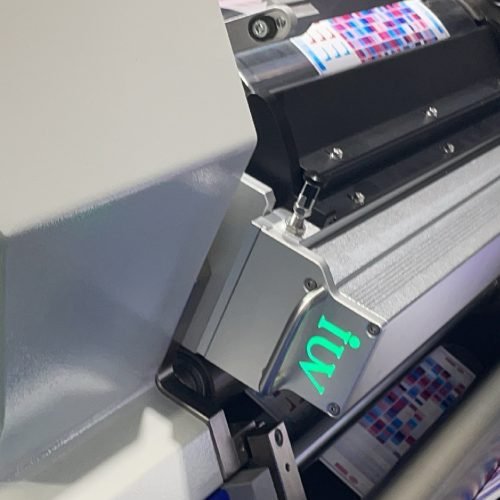
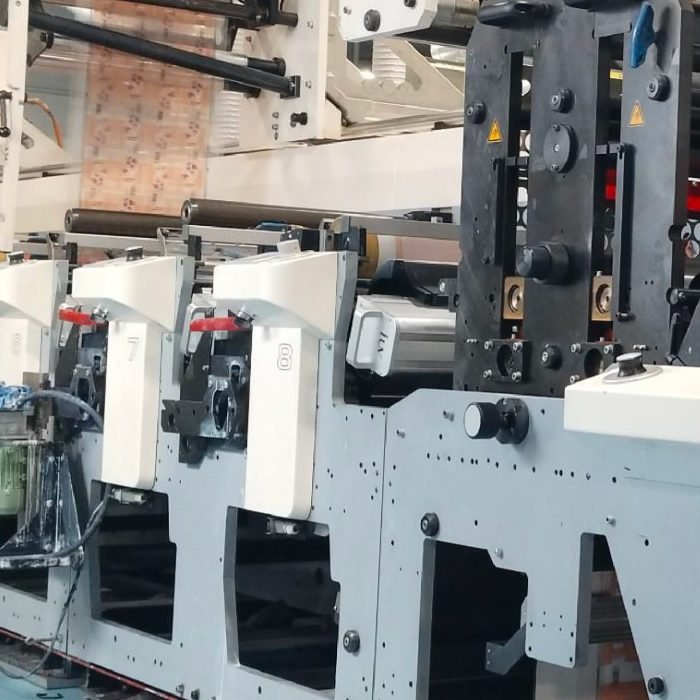
Printing on thin substrates for flexible packaging presents unique challenges. The delicate nature of these materials requires precise control over heat and pressure to avoid distortion, tearing, or ink transfer issues. Traditional UV curing methods often generate significant heat, which can be detrimental to thin films. This is where the advancements in LED UV curing technology within flexographic printing offer a compelling solution, especially for narrow web applications.
The Evolution of UV Curing in Flexography
For years, mercury vapor lamps have been the standard for UV curing in flexographic printing. While effective, they come with several drawbacks. Mercury lamps operate at high temperatures, requiring substantial energy consumption and generating waste heat that needs to be managed through extensive ventilation and cooling systems. This heat can easily transfer to the substrate, causing problems when working with heat-sensitive materials like thin films. Furthermore, mercury lamps have a limited lifespan, require frequent replacement, and contain hazardous materials, posing disposal challenges.
Introducing LED UV Curing: A Paradigm Shift
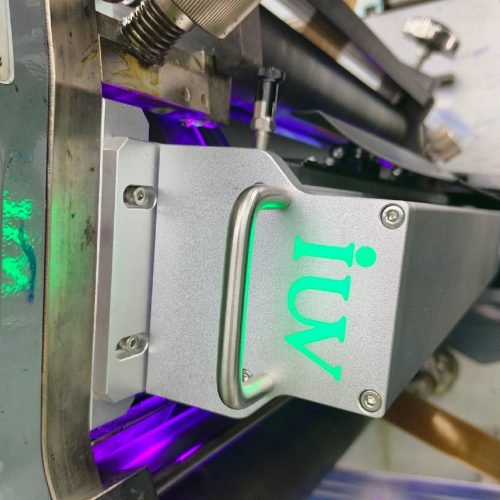
LED (Light Emitting Diode) UV curing technology represents a significant leap forward. Unlike mercury lamps, LEDs emit UV light at specific wavelengths, allowing for greater control and efficiency. The most crucial advantage for printing on thin substrates is their low heat emission. LEDs produce a focused beam of UV light with minimal infrared radiation, meaning the substrate remains cooler throughout the curing process. This drastically reduces the risk of thermal distortion, shrinkage, or degradation of delicate films.
Technical Advantages for Thin Substrates
When printing on materials like BOPP, PET, or PE films, typically ranging from 12 to 50 microns, the benefits of LED flexo are particularly pronounced.
- Reduced Heat Load: The primary advantage is the significantly lower heat output. This allows printers to maintain tighter process control, preventing the film from becoming wavy or wrinkly, which can lead to misregistration and print defects. Less heat also means less stress on the printing press itself.
- Energy Efficiency: LED systems consume considerably less energy than traditional mercury lamp systems. This translates to lower operational costs and a more sustainable printing process. The energy savings can be substantial, especially in high-speed, narrow web printing environments.
- Instant On/Off Capability: LEDs can be switched on and off instantaneously. This is invaluable for print jobs with frequent stop-starts or for jobs that require precise control over curing time. Unlike mercury lamps that need time to warm up and cool down, LEDs are ready to cure immediately, improving job turnaround times and reducing waste.
- Consistent and Focused Output: LEDs provide a stable and consistent UV output throughout their lifespan. This ensures uniform ink curing from the beginning to the end of a print run, leading to predictable results and higher quality. The targeted wavelengths also mean less wasted energy and more efficient curing.
- Longer Lifespan and Lower Maintenance: LED lamps have a much longer operational life compared to mercury lamps, often lasting tens of thousands of hours. This reduces downtime for replacements and lowers overall maintenance costs. They also do not contain hazardous materials, simplifying disposal.
Advantages for Flexible Packaging Applications
Flexible packaging demands a combination of aesthetic appeal, durability, and functionality. LED flexo printing addresses these needs effectively, particularly when combined with specialized inks.
- Enhanced Ink Performance: LED curing works exceptionally well with LED-specific UV inks. These inks are formulated to cure rapidly and efficiently under the specific wavelengths emitted by LED lamps. This leads to excellent adhesion, superior rub and scratch resistance, and vibrant color reproduction, even on non-porous substrates common in flexible packaging.
- Improved Print Quality and Sharpness: The precise control offered by LED curing, combined with the ability to run at higher speeds without overheating the substrate, allows for sharper dot reproduction and finer detail. This is critical for brand recognition and product differentiation in the competitive consumer goods market.
- Barrier Properties: Properly cured inks are essential for maintaining the barrier properties of flexible packaging, protecting contents from moisture, oxygen, and light. LED curing ensures thorough and consistent ink polymerization, contributing to the integrity of the packaging.
- Food Safety and Compliance: With the increasing demand for food-safe packaging, the absence of mercury in LED systems is a significant advantage. Furthermore, the controlled curing process can help ensure that there are no residual photoinitiators or by-products migrating from the ink, a crucial aspect for regulatory compliance.
- Versatility Across Substrates: While thin films are a prime example, LED flexo’s benefits extend to other challenging substrates used in flexible packaging, such as specialized laminates and metallized films, where heat can be a major concern.
Narrow Web Printing and LED Flexo Integration
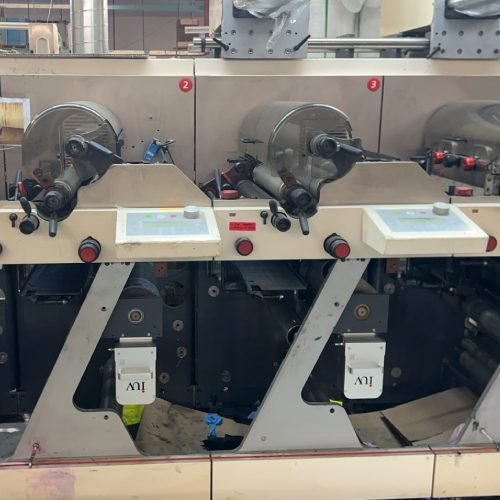
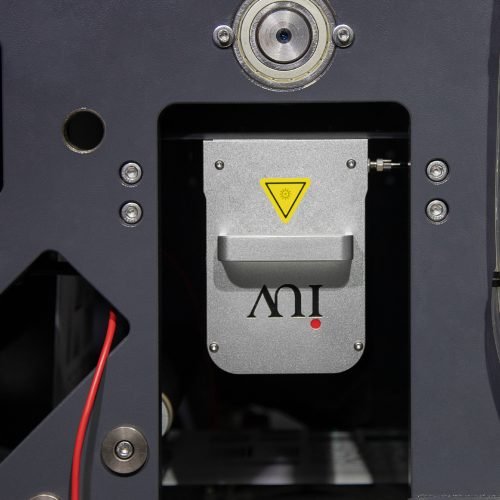
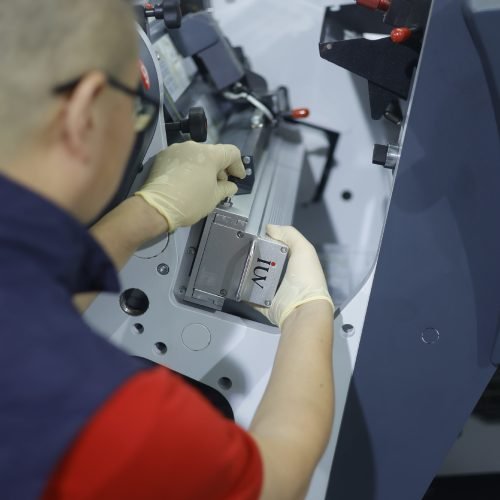
Narrow web printing, prevalent in labels and packaging, is an ideal application for LED flexo technology. The compact nature of LED curing units allows for easy integration into existing narrow web presses without major retrofitting. This makes the transition to LED technology more accessible for converters. The inherent advantages of LED—low heat, energy efficiency, and instant on/off—complement the high-speed, multi-process demands of narrow web printing perfectly. This synergy allows for increased productivity, reduced waste, and the ability to handle a wider range of demanding jobs.
Overcoming the Transition: Considerations for Implementers
While the advantages are clear, a successful transition to LED flexo requires careful consideration.
- Ink Compatibility: It is crucial to use inks specifically formulated for LED UV curing. Traditional UV inks may not cure effectively or optimally under LED wavelengths. Working with ink manufacturers to select the right formulations is paramount.
- Wavelength Selection: LEDs are available in different wavelength ranges (e.g., 395nm, 365nm). The chosen wavelength needs to match the absorption spectrum of the LED inks being used for maximum curing efficiency.
- Investment and ROI: While the initial investment in LED curing systems might be higher than for traditional mercury lamps, the long-term savings in energy, reduced waste, and lower maintenance often provide a strong return on investment. A thorough cost-benefit analysis is recommended.
- Press Speed and Power: Matching the power of the LED lamps to the press speed and ink coverage is important to ensure complete and rapid curing. Over-powering can lead to premature ink degradation, while under-powering can result in uncured ink.
Conclusion: The Future of Thin Substrate and Flexible Packaging Printing
The technical advantages of LED flexo printing for thin substrates and flexible packaging are undeniable. The ability to cure inks efficiently with minimal heat input, combined with significant energy savings, improved print quality, and enhanced sustainability, positions LED technology as the future standard. For printers looking to overcome the inherent challenges of handling delicate films and meet the evolving demands of the flexible packaging market, investing in LED UV curing is a strategic move that offers a competitive edge and a more efficient, higher-quality printing process.