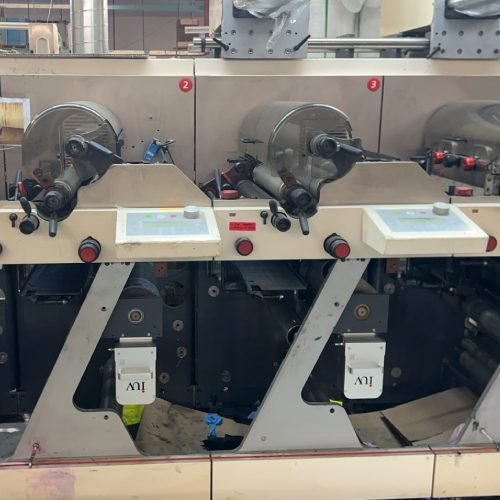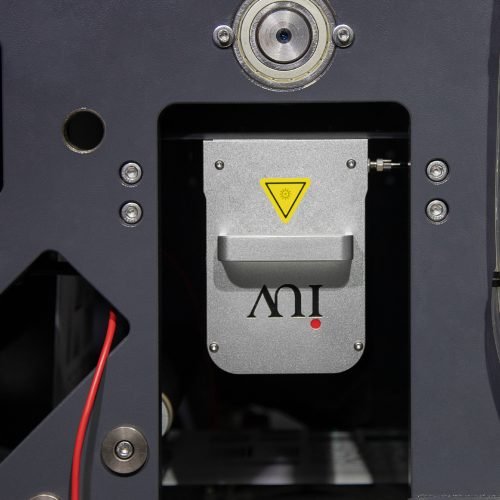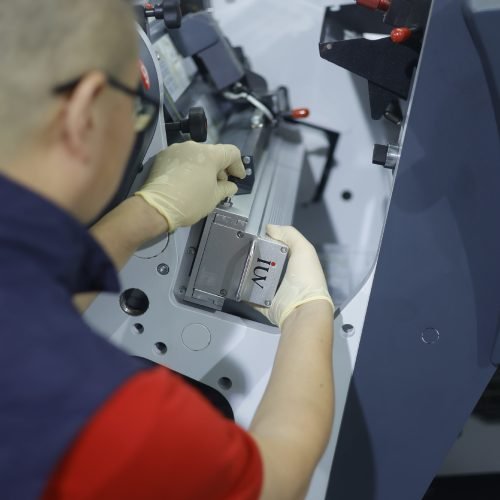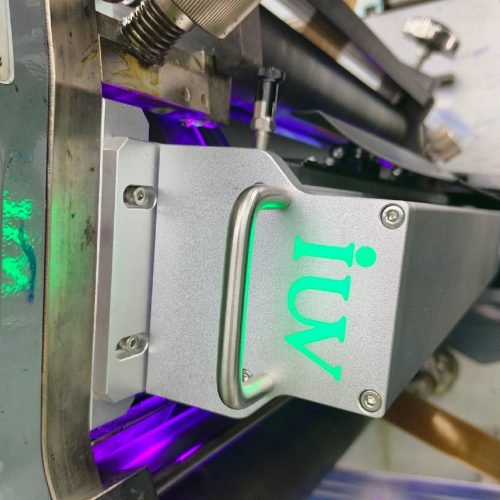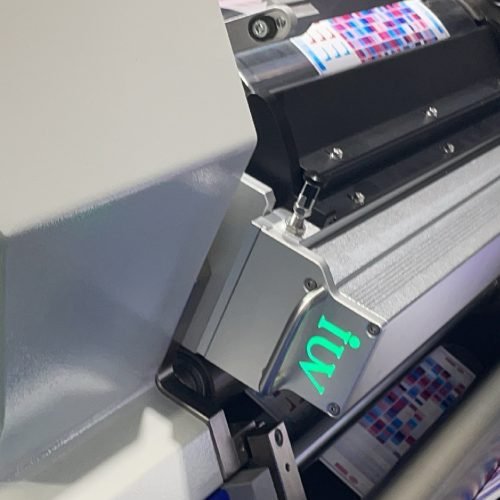
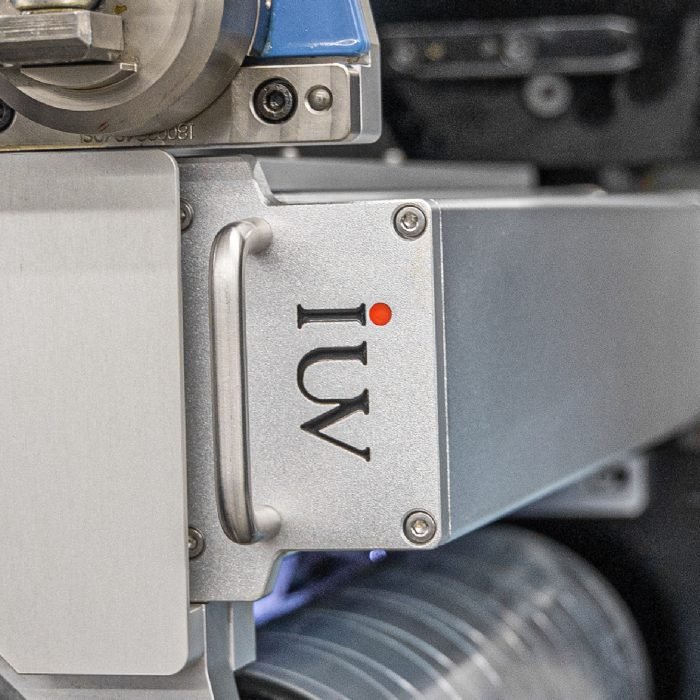
UV curing has become essential in label production. It enables fast production, sharp image quality, and durable finishes. The technology supports three major processes: flexographic (柔版印刷), gravure, and narrow-width web printing. It also covers a wide range of substrates and coatings used on labels. To keep performance predictable, teams align UV curing practices with established standards and compliance requirements. This article explains how to navigate these standards across flexo, gravure, and narrow-width applications, with a focus on UV curing knowledge and its impact on label production.
Understanding UV Curing Technologies
UV curing relies on photoinitiated polymerization. When inks or coatings are exposed to UV energy, they rapidly form a solid network. The result is instant handling strength, improved chemical resistance, and reduced solvent emissions. Two main lamp technologies dominate: UV arc lamps and UV‑LEDs.
- UV-LED curing: LED emitters produce narrow spectral bands, typically around 385–405 nm. They offer instant on/off control, lower heat input, and longer lifetime. LEDs also reduce ozone generation and can be tuned for specific chemistries. The downside is the availability of compatible inks and coatings, plus the need for precise dosing control to maintain cure performance.
- UV arc (mercury or amalgam) curing: These systems provide broad spectral output and deep cure for many formulations. They often deliver high peak irradiance and are compatible with a wide range of inks and coatings. However, they generate more heat and require lamp maintenance, cooling, and safety considerations.
For label printers, choosing between UV-LED and UV-arc affects energy density, cure latitude, line speed, and downstream performance such as overprint varnishes and lamination compatibility. Matching the chemistry to the curing source is a foundational step in achieving consistent results.
Key Concepts in UV Curing Compliance
Successful compliance hinges on aligning equipment, materials, and processes with recognized standards. The main areas to address include color management, safety, regulatory requirements for packaging, and process verification.
- Color management and process control: Standards in the ISO 12647 family guide process control for different printing methods. While the exact parts address distinct processes, the goal is stable color reproduction, repeatable density, and predictable dot gains across runs. In label work, this translates to consistent color targets on flexo, gravure, and narrow-width substrates.
- Photobiological safety: UV sources affect workers and nearby equipment. IEC 62471 covers photobiological safety for lamp systems and devices. Ensuring proper shielding, interlocks, and PPE reduces risk to operators during setup, maintenance, and production.
- Packaging safety and regulatory compliance: Labels used on food, cosmetics, and pharmaceuticals often fall under specific regulatory regimes. EU packaging rules (such as Regulation (EC) 1935/2004 on materials intended to come into contact with food) and related amendments address migration of substances. In the United States, FDA regulations govern materials in contact with food under 21 CFR. Tracking ink and coating compositions through supply chains helps meet these requirements.
- Material performance and migration: UV-curable inks and coatings must not introduce harmful residuals into products. This concerns low migration during shelf life and a robust supply chain for compatibility with coatings, primers, and substrates.
- Environmental and worker safety considerations: Local regulations may govern disposal of UV lamps, waste solvents, and chemical handling. Compliance programs often combine supplier data with site risk assessments to meet environmental health and safety standards.
Measurement, Verification, and Testing
A solid compliance program relies on measurement and verification. The goal is to verify that UV energy application yields adequate cure without sacrificing productivity or substrate integrity.
- Dose and irradiance measurements: The cure dose is expressed as energy per unit area (J/cm²). This dose depends on lamp type, distance, line speed, ink/coating chemistry, and substrate. Mapping irradiance across the web path identifies hot and cold zones that can affect cure consistency.
- Cure verification methods: Common methods include pencil hardness tests, solvent rub resistance, and visual inspection under UV light. More objective approaches use dedicated sensors and dosimeters that monitor dose exposure in real time.
- Color and print quality checks: Process color targets, dot gain, and tonal reproduction are monitored under standard lighting. Consistency across jobs relies on precise color management and regular instrument calibration (spectrophotometers, densitometers).
- Substrate and adhesion tests: Flexo and gravure inks must adhere to release liners, facestock, and coatings across environments. Peel tests, scratch resistance, and chemical resistance tests confirm performance after UV curing.
- Safety and worker exposure documentation: Periodic safety audits, lamp aging checks, and shielding integrity verifications help maintain a safe work environment. Documentation supports compliance during inspections and audits.
Practical Considerations for Flexographic, Gravure, and Narrow-Width Printing
Each printing method has unique characteristics that influence UV curing strategy.
Flexographic Printing
- Ink chemistry and cure latitude: UV flexo inks are designed for rapid cure. Selecting compatible primers, overprint varnishes, and substrates ensures full cure without blocking or blocking risk.
- Anilox and coverage: High line counts and precise ink laydown affect cure depth. Fine-tuning anilox rolls and metering ensures uniform energy absorption.
- Printing speed versus cure window: Higher speeds demand higher energy density or better lamp efficiency. Line speed must be balanced with lamp power and nozzle/lens efficiency in LED systems.
- Layer management: Underprinting and overvarnishing require careful cure control to prevent gel formation or through-cure in subsequent layers.
Gravure Printing
- Ink transfer and cure: Gravure inks often rely on high pigment loading. UV cure must penetrate to the full thickness of the printed layer for durability.
- Copper cylinders and surface energy: Cylinder surface treatment and coatings influence ink release and cure uniformity. Proper pre-treatment and blade angle optimization support consistent cure.
- Substrate compatibility: Gravure often uses flexible films and specialty substrates. UV energy must be tuned to avoid substrate deformation or gloss variation after cure.
Narrow-Width Printing
- Web handling and tension: Narrow-web lines run at high speeds. Consistent tension reduces substrate delamination and ensures uniform cure across the narrow web.
- Ancillary coatings: Narrow-width labels frequently include varnishes or protective coatings. UV curing must bond these layers without causing adhesion failures or impact marks on corners.
- Return on investment: LED curing can reduce heat load on sensitive films and improve idle time. However, matching energy density and exposure time to narrow widths is essential to avoid under- or over-cure.
Standards and Compliance in Practice
Bringing standards into daily practice involves a structured workflow.
- Define process targets: Establish color targets, ink density ranges, and acceptable dot gain for each printing method and substrate. Tie targets to ISO 12647-based color management if available for the process.
- Validate cure performance: Create cure maps for each press configuration. Measure irradiance across the web, evaluate cure depth, and confirm adhesion and chemical resistance.
- Regulatory alignment: Maintain a bill of materials for inks, coatings, and primers. Verify migration and compliance with packaging regulations for the intended end-use market (food, cosmetics, pharmaceutical, or general consumer goods).
- Safety program: Implement UV safety policies, training, and engineering controls. Ensure interlocks, shielding, and eye protection are in place for operators.
- Supplier collaboration: Work with ink and coating suppliers to confirm cure compatibility with LED or arc systems. Share processing windows and test data to maintain stable supply chains.
Common Pitfalls and How to Avoid Them
- Ignoring cure latitude: Assume a single dose works across all substrates. In reality, each substrate and ink set has its own cure window. Run substrate-specific cure tests.
- Overlooking aging effects: Lamps lose output over time. Schedule preventative maintenance and lamp replacement cycles. Track lamp intensity over time to avoid gradual cure loss.
- Inadequate safety controls: UV exposure risks can escalate quickly in a busy production line. Regular safety audits and proper PPE prevent incidents.
- Poor documentation: Without traceability of inks, coatings, and curing settings, audits become difficult. Maintain detailed records of cure conditions and outcomes for each job.
Guidelines for Achieving Consistent UV Curing in Label Production
- Start with chemistry first: Confirm the UV ink or coating system is designed for the chosen cure source. Verify spectral compatibility and cure kinetics.
- Map the cure: Build irradiance maps for each press configuration and substrate. Identify zones that need attention and adjust lamp positioning or coating formulation accordingly.
- Calibrate instruments regularly: Use spectrophotometers, densitometers, and dosimeters. Regular calibration ensures measurement accuracy and repeatability.
- Align color with cure: Use color management workflows that account for UV-induced color shifts. Calibrate densitometry targets and maintain consistent dot gain across runs.
- Maintain safety as a core practice: Keep safety documentation updated, train operators, and verify shielding and interlocks. A safe line supports consistent production.
Conclusion
Understanding UV curing standards and compliance is essential for high-quality label production across flexo, gravure, and narrow-width printing. By aligning curing practices with established color management standards, safety frameworks, and regulatory requirements, label producers can achieve reliable, repeatable results. The right combination of UV technology, process control, and supplier collaboration yields durable labels that perform in demanding end-use applications while meeting the necessary compliance requirements.