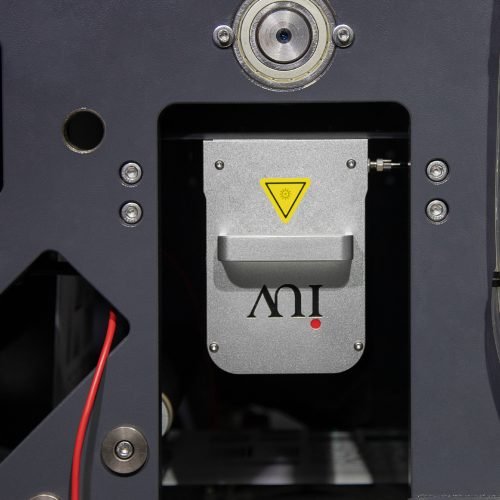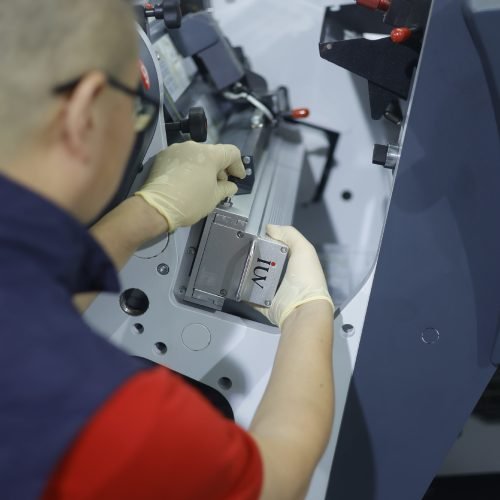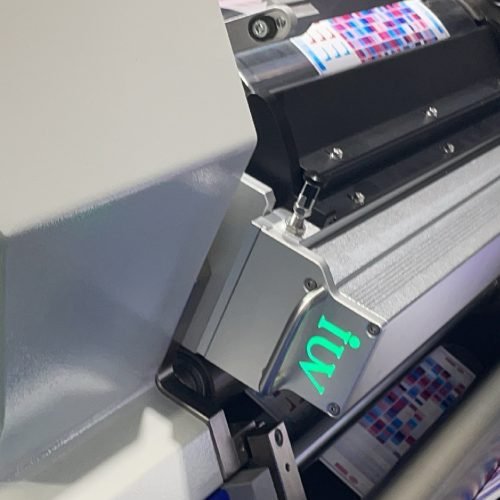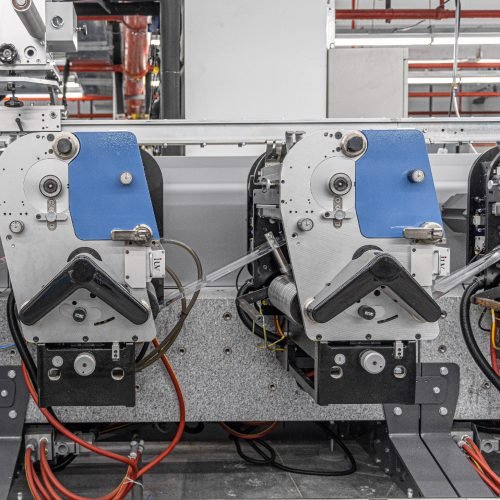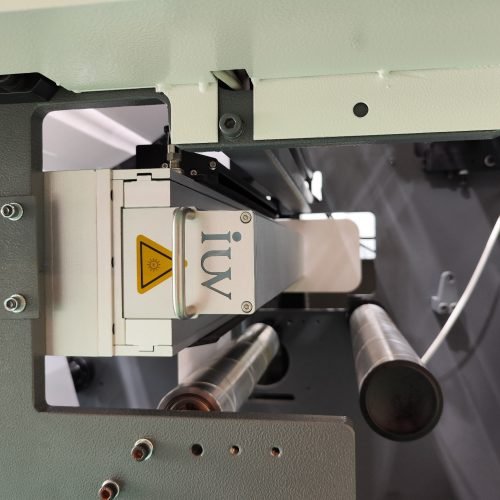
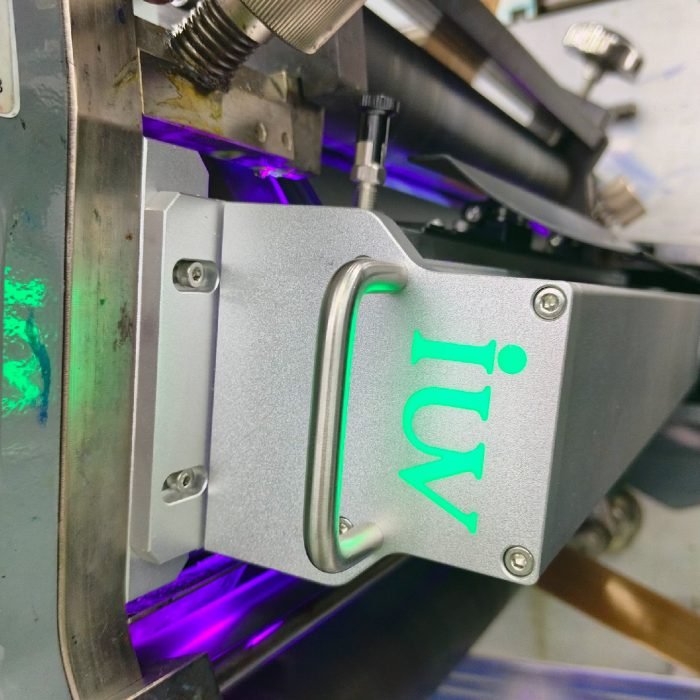
Many narrow web flexographic presses in label production have operated reliably for years with conventional mercury UV systems or even solvent-based drying units. As energy costs rise and environmental regulations tighten, upgrading to modern UV curing technology becomes necessary. A well-planned UV curing system retrofit allows printers to modernize older flexo presses without interrupting production schedules.
Before selecting new equipment, a detailed technical assessment is essential. Mechanical layout, available mounting space, electrical capacity, cooling infrastructure, and press speed range must be reviewed. Older narrow web label presses often have limited interstation space. Understanding web path geometry ensures that new UV lamps or LED arrays can be integrated without altering tension control or registration accuracy.
Electrical infrastructure must also be evaluated. Mercury arc systems require high-voltage power supplies and exhaust management. LED UV systems operate with lower power consumption but require stable electrical input and thermal management. A retrofit plan should align curing capacity with actual production demands in label, shrink sleeve, and pressure-sensitive applications.
Choosing Between Mercury, LED, or Hybrid UV Systems
Selecting the correct curing technology is the foundation of a successful retrofit. Conventional mercury lamps deliver broad-spectrum output and strong penetration. They are compatible with a wide range of legacy UV flexo inks. However, they generate significant infrared heat and require bulb replacement, reflector cleaning, and ozone extraction.
LED UV systems provide narrow wavelength output, typically at 365 nm, 385 nm, or 395 nm. They reduce energy consumption and eliminate warm-up time. Heat transfer to the substrate is lower, making them suitable for thin films and heat-sensitive label materials. However, LED retrofits require compatible ink chemistry with photoinitiators matched to the emission wavelength.
Hybrid systems combine mercury and LED units on the same press. This approach offers maximum flexibility. Mercury lamps can cure specialty coatings or thick white inks, while LED units handle standard process colors. For older flexo presses serving diverse label markets, hybrid retrofits often provide the best transition strategy without disrupting existing ink inventories.
Mechanical Integration in Narrow Web Label Presses
Mechanical compatibility is critical when upgrading older equipment. Narrow web flexo presses have compact station spacing. The curing module must fit without interfering with doctor blade access, anilox changes, or plate cylinder removal.
Custom mounting brackets are often required. The weight distribution of LED arrays differs from traditional lamp housings. Structural reinforcement may be necessary to maintain alignment under high-speed operation. Precise positioning ensures uniform irradiance across the web width.
Cooling design also influences mechanical layout. Mercury systems require exhaust ducts and air handling. LED arrays rely on water or air cooling integrated into the housing. During retrofit planning, ensure that cooling lines can be routed safely without affecting press ergonomics or maintenance access.
In some offset label presses or combination flexo-offset lines, curing stations must align with blanket cylinders or interdeck dryers. Careful measurement prevents web flutter or misalignment after installation.
Electrical and Control System Adaptation
Older flexographic presses may not have advanced digital control systems. Integrating modern UV curing technology requires updating electrical panels and control interfaces. LED systems offer precise intensity modulation and instant on/off functionality. These features improve efficiency but require compatible communication protocols.
A retrofit project should include installation of independent power supplies and safety interlocks. Emergency stop integration must comply with current safety standards. Temperature sensors and irradiance monitoring systems should be added to maintain consistent curing performance.
Remote monitoring capabilities enhance preventive maintenance. Real-time irradiance data allows operators to detect output decline before print quality suffers. This is particularly important in multi-color wet-on-wet label printing where consistent polymerization across ink layers is essential.
Ink Compatibility and Production Transition
Retrofitting curing systems without production downtime requires careful coordination with ink suppliers. If converting from mercury to LED UV, ink formulations must match the selected wavelength. Conduct press trials before full implementation to confirm adhesion, gloss, and rub resistance.
In many label printing operations, phased conversion reduces risk. Install LED units on selected stations while maintaining existing mercury lamps elsewhere. This allows gradual migration of ink systems without interrupting ongoing jobs.
For printers running UV offset units alongside flexo stations, compatibility across technologies must be considered. Offset UV inks may have different reactivity compared to flexo inks. Hybrid curing solutions accommodate mixed ink chemistries during transition periods.
Training operators is equally important. LED systems behave differently from mercury lamps. There is no warm-up time, and intensity adjustments respond instantly. Operators must understand how irradiance, exposure time, and press speed interact to maintain consistent cure.
Maintaining Production During Installation
Minimizing downtime requires detailed scheduling. Retrofit work should be planned during routine maintenance windows or shift changes. Preassemble mounting components and prewire control panels before installation day.
Parallel preparation of cooling lines, electrical connections, and mounting hardware reduces on-press modification time. Coordinate with equipment suppliers to ensure on-site technical support during startup.
Before full production resumes, conduct controlled test runs. Measure irradiance using calibrated radiometers. Confirm energy dose at production speeds. Verify web temperature to protect heat-sensitive label substrates.
By preparing thoroughly, most retrofits can be completed within planned maintenance intervals. This approach protects delivery schedules and maintains customer confidence.
Optimizing Performance After Retrofit
After installation, process optimization ensures maximum return on investment. Document baseline irradiance levels, energy dose, and substrate temperature for common label constructions. Establish standard operating procedures for different materials, including BOPP, PE, paper, and shrink films.
LED UV systems often allow higher press speeds due to stable output and instant curing. Evaluate whether line speed can be increased without compromising polymerization degree. Monitor intercolor adhesion and through-cure performance in multi-layer flexographic applications.
Energy efficiency improvements are a major advantage of modern curing systems. Compare pre- and post-retrofit power consumption to quantify savings. Reduced bulb replacement and lower maintenance requirements further improve operational efficiency.
In narrow web environments, improved thermal control reduces substrate distortion. This enhances registration stability in high-end cosmetic and pharmaceutical labels. Consistent curing also improves durability, chemical resistance, and long-term adhesion.
Long-Term Reliability and Maintenance Planning
A retrofit project does not end at installation. Establish preventive maintenance schedules tailored to the new curing system. For mercury lamps, monitor bulb hours and reflector cleanliness. For LED arrays, inspect cooling systems and confirm stable output.
Periodic irradiance measurement ensures consistent curing over time. Output degradation may occur gradually, especially in high-volume label operations. Maintaining accurate records prevents unexpected quality issues.
Spare part planning is equally important. Keep critical components in inventory to avoid extended downtime. Strong collaboration with equipment suppliers supports rapid troubleshooting if required.
By combining careful planning, staged implementation, and thorough operator training, upgrading older flexo presses becomes a manageable process. A properly executed UV curing system retrofit modernizes narrow web label production while protecting daily output and customer commitments.
The result is improved energy efficiency, enhanced curing precision, greater substrate flexibility, and long-term competitiveness in demanding label markets.