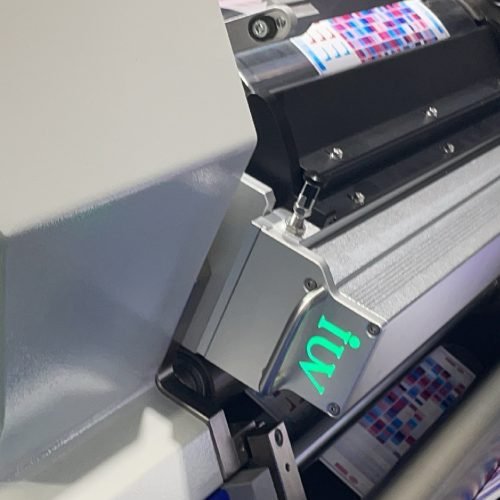
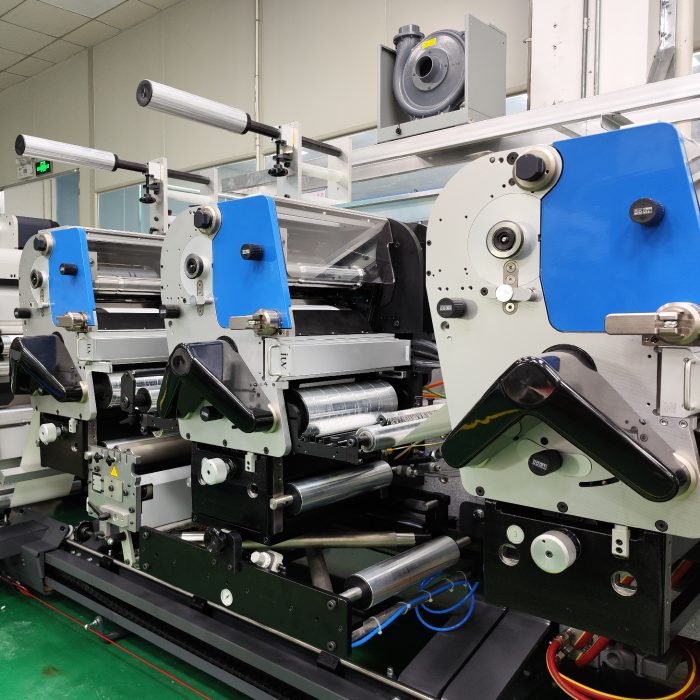
Brand owners are continually seeking ways to enhance label quality, improve production efficiency, and embrace sustainable practices. In the dynamic world of narrow-web printing, a significant shift is occurring towards LED-cured inks and coatings. This technological evolution offers a compelling suite of advantages that resonate deeply with brand owners’ core objectives. Understanding these benefits is key to appreciating why LED curing has become a preferred choice for labels in this specific production environment.
The Evolving Landscape of Narrow-Web Label Production
Narrow-web printing, typically defined as printing on substrates less than 13 inches wide, is the backbone of the label industry. It encompasses a vast range of applications, from food and beverage labels to pharmaceuticals, cosmetics, and industrial products. Historically, this sector has relied heavily on traditional UV curing systems, primarily using mercury vapor lamps. While effective, these systems present certain drawbacks that have prompted a search for superior alternatives.
The Limitations of Traditional UV Curing
Traditional mercury vapor UV lamps generate heat as a byproduct of their operation. This heat can affect sensitive substrates, leading to warping or damage, especially with thinner label materials. Furthermore, these lamps have a finite lifespan and require frequent replacement, contributing to ongoing operational costs and waste. They also consume a substantial amount of energy, impacting both economic and environmental footprints. The ozone produced by mercury lamps necessitates ventilation systems, adding complexity and cost to the printing process.
Enter LED UV Curing: A Game Changer
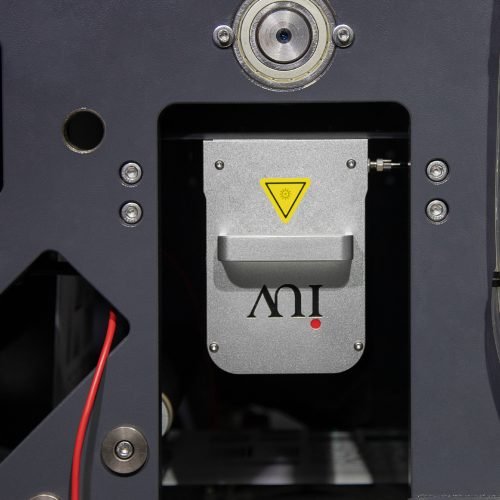
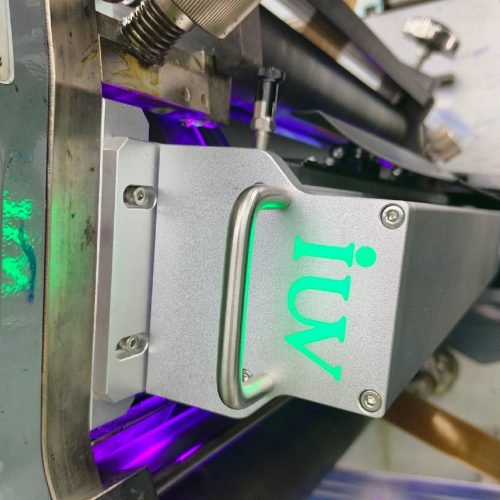
LED (Light Emitting Diode) UV curing technology represents a significant advancement. Instead of a broad spectrum of UV light, LEDs emit a specific, narrow band of wavelengths precisely tuned to the photoinitiators in UV-curable inks and coatings. This targeted approach unlocks a host of benefits that directly address the pain points associated with traditional methods.
Superior Ink and Coating Performance
One of the most significant advantages of LED curing is the enhanced performance of inks and coatings. The precise wavelengths emitted by LEDs ensure a more efficient and complete cure. This leads to labels with superior scratch resistance, improved chemical resistance, and greater durability. For brand owners, this translates to a product that maintains its visual appeal throughout its lifecycle, from the shelf to the end consumer. Colors appear brighter and more vibrant due to the absence of heat-induced yellowing that can sometimes occur with mercury lamps.
Substrate Versatility and Material Integrity
The low-heat output of LED UV curing is a critical factor for brand owners working with a diverse range of substrates. Many labels are printed on thin films or heat-sensitive papers. Traditional UV lamps can cause these materials to shrink, warp, or degrade, leading to registration issues and defects. LED curing, with its minimal heat generation, preserves the integrity of these delicate materials. This opens up possibilities for using a wider array of premium or specialized substrates, allowing brands to differentiate themselves on the shelf through unique textures and finishes.
Energy Efficiency and Reduced Environmental Impact
The energy consumption of printing operations is a growing concern for brand owners aiming to meet sustainability goals. LED curing systems are remarkably energy-efficient compared to their mercury vapor counterparts. They consume significantly less power to operate and can often be switched on and off instantly, unlike mercury lamps which require a warm-up period. This not only reduces electricity bills but also lowers the overall carbon footprint of the label production process. The longer lifespan of LED lamps further contributes to sustainability by reducing waste associated with frequent replacements.
Enhanced Operational Efficiency and Productivity
The instant on/off capability of LED UV curing systems translates directly into improved operational efficiency. Printers can start and stop jobs without the delay of lamp warm-up or cool-down. This significantly reduces make-ready times and allows for quicker job changeovers, a crucial factor in the fast-paced narrow-web label market where short runs are increasingly common. The reduced heat also means less strain on the printing equipment, potentially leading to lower maintenance costs and increased uptime.
Improved Workplace Safety and Reduced Emissions
Traditional mercury vapor lamps emit ozone, a harmful gas that requires extensive ventilation to maintain a safe working environment. LED UV systems do not produce ozone, simplifying ventilation requirements and creating a healthier workspace for employees. This reduction in emissions contributes to a cleaner manufacturing process overall, aligning with corporate social responsibility objectives.
Cost-Effectiveness in the Long Run
While the initial investment in LED UV curing equipment might be higher than for traditional systems, the long-term cost savings are substantial. The reduced energy consumption, lower maintenance requirements due to longer lamp life, and decreased need for consumables like ozone-control filters all contribute to a lower total cost of ownership. For brand owners, this means more predictable and often lower production costs for their labels.
Application in Different Printing Processes
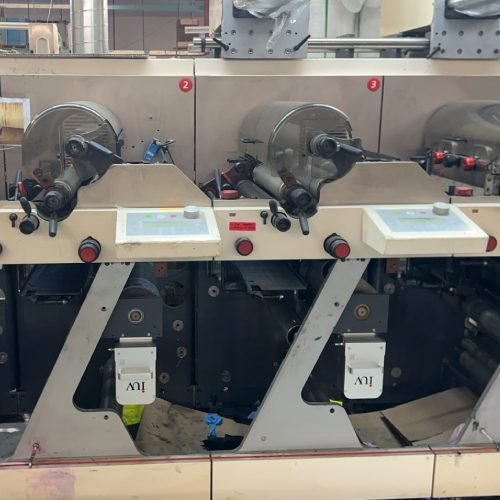
The benefits of LED UV curing are not limited to a single printing technology. In narrow-web production, both flexographic (flexo) and offset (lithographic) printing presses are commonly used for labels.
Flexographic Printing: Flexo is a workhorse for label printing. LED UV curing integrates seamlessly into flexo presses, offering fast cure speeds essential for high-throughput production. The consistent curing ensures excellent ink adhesion on a wide variety of substrates, from paper to films, and enables the printing of fine details and sharp text. This is crucial for high-quality graphics and brand information.
Offset (Lithographic) Printing: Narrow-web offset presses are also adopting LED UV curing. This technology allows for the reproduction of extremely fine details and smooth tonal gradations, often preferred for premium product labels. LED curing ensures that these delicate features are cured perfectly without damaging the substrate or affecting the ink’s color fidelity, even at high speeds.
Considerations for Implementation
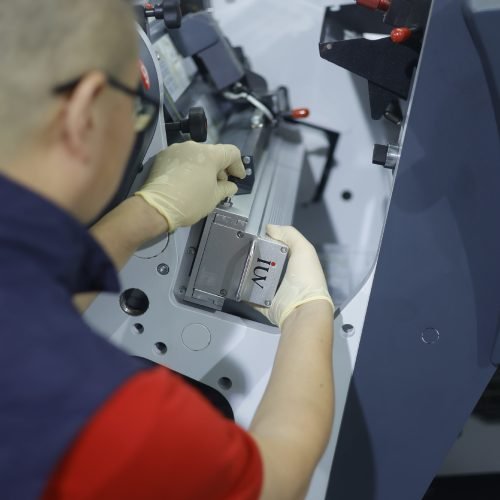
When considering a transition to LED UV curing, brand owners and their printing partners should evaluate a few key aspects. The compatibility of existing inks and coatings with LED wavelengths is paramount. While many manufacturers offer LED-curable formulations, some older or specialized inks may require reformulation. The specific wavelength output of the LED system also needs to be matched to the photoinitiators used. Working closely with ink suppliers and equipment manufacturers is essential to ensure a smooth transition and optimal results.
The Future is Bright with LED Curing
The advantages offered by LED UV curing technology—superior print quality, enhanced substrate flexibility, significant energy savings, improved environmental performance, and increased operational efficiency—make it an increasingly attractive choice for brand owners in narrow-web label production. As the technology continues to mature and become more accessible, its adoption is set to accelerate, further solidifying its position as the preferred curing method for labels that demand excellence and sustainability. For brands looking to innovate, reduce their environmental impact, and optimize their production costs, investing in LED-cured labels is a clear strategic advantage.