The label manufacturing industry is in a constant pursuit of efficiency. Companies are always looking for ways to speed up production, reduce costs, and enhance the quality of their finished products. One area that has seen significant advancement is curing technology, particularly the shift towards energy-efficient LED UV curing systems. This transition is not just about saving on electricity bills; it’s a strategic move that directly impacts productivity across various printing methods used in narrow web label production.
Understanding the Core Benefits of LED UV Curing
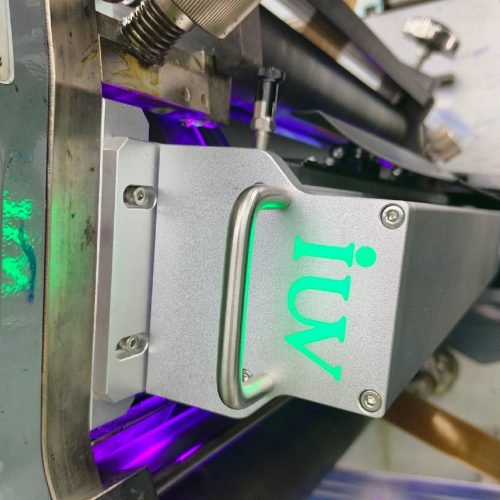
Traditional UV curing systems often rely on mercury vapor lamps. These lamps consume a substantial amount of energy, generate considerable heat, and have a limited lifespan. They also require a warm-up period before reaching optimal performance. In contrast, LED UV curing offers a different paradigm. Light Emitting Diodes (LEDs) provide instant on/off capability, emit light in a very narrow spectrum, and operate at much lower temperatures. This fundamental difference translates into several tangible advantages for label manufacturers.
Energy Savings Translate to Lower Operating Costs
The most immediate and apparent benefit of switching to LED UV curing is the dramatic reduction in energy consumption. LED systems are inherently more efficient than their mercury lamp counterparts. They use significantly less electricity to achieve the same or even better curing results. For a label printing operation that runs multiple shifts, these energy savings can add up quickly, directly impacting the bottom line. This reduced energy draw also lessens the overall heat load in the printing environment, potentially lowering cooling costs.
Instant On/Off for Seamless Workflow
The instant on/off capability of LEDs is a game-changer for productivity, especially in the fast-paced world of narrow web label printing. Unlike mercury lamps that need time to warm up and cool down, LEDs are ready the moment they are switched on and turn off instantly. This means no waiting time between jobs or during short breaks. Printers can switch between different jobs or ink types without worrying about lamp degradation or energy waste. This seamless workflow minimizes downtime and maximizes the actual printing time.
Extended Lamp Life and Reduced Maintenance
Another significant advantage of LED UV curing is the remarkably long lifespan of the diodes. While mercury lamps typically need replacement after 1,000 to 2,000 hours of operation, LED systems can last 20,000 to 30,000 hours or even more. This drastically reduces the frequency of lamp replacements, cutting down on both the cost of new lamps and the labor involved in their installation. Fewer replacements also mean less unscheduled downtime, contributing to a more consistent and predictable production schedule.
Lower Heat Emission for Sensitive Substrates
The heat generated by traditional mercury lamps can be a significant issue, especially when printing on heat-sensitive substrates like certain plastics or thin papers. Excessive heat can cause the substrate to warp, shrink, or even scorch, leading to defects and waste. LED UV curing systems emit much less infrared radiation, resulting in a cooler printing process. This allows label manufacturers to work with a wider range of materials, including delicate ones, without compromising print quality or risking substrate damage. This flexibility opens up new market opportunities and allows for greater material diversity.
Improved Curing Performance and Ink Durability
LED UV curing technology offers precise control over the emitted light spectrum. This targeted spectrum is optimized for specific UV-curable inks and coatings, leading to more efficient and thorough curing. The result is often enhanced ink adhesion, superior scratch and chemical resistance, and vibrant color reproduction. This improved curing performance means fewer rejected labels due to poor ink durability and a higher overall quality for the finished product, which is crucial in competitive markets.
Flexographic Printing and LED UV
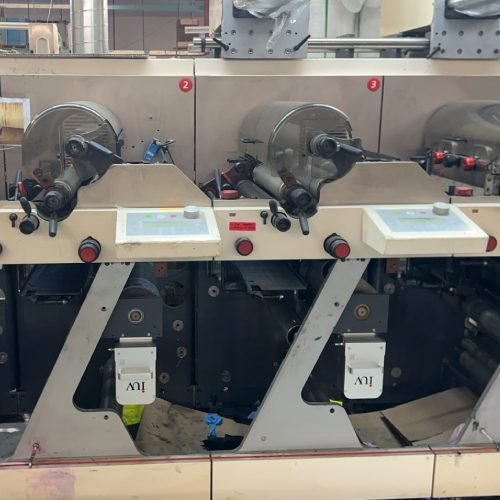
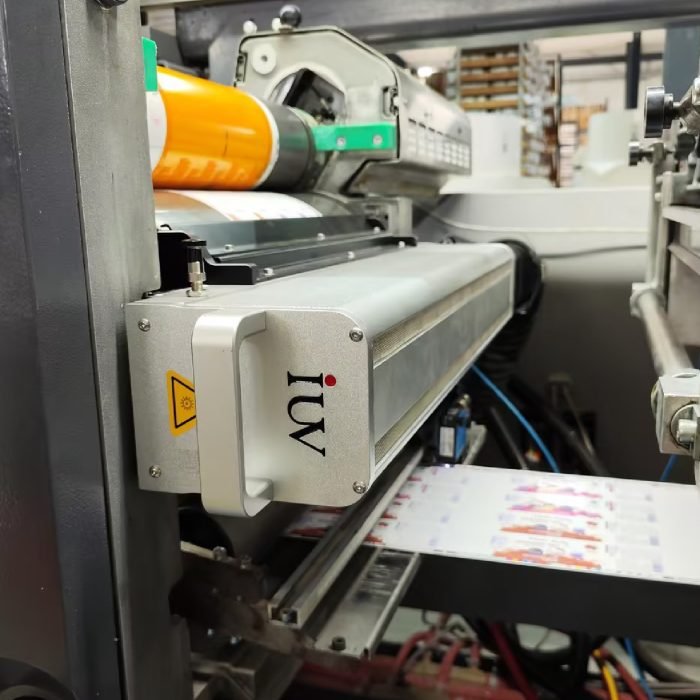
Flexographic printing is a dominant force in narrow web label manufacturing. The introduction of LED UV curing has significantly boosted its efficiency and capabilities. In flexo, inks are transferred from an anilox roll to a printing plate and then to the substrate. The speed of flexo presses requires rapid curing. LED UV units integrate seamlessly into flexo presses, providing instant cure after each printing station. This allows for higher printing speeds without ink smearing or transfer issues. The reduced heat also benefits flexo printing by preventing plate distortion and substrate shrinkage, ensuring consistent registration and sharp print definition.
Offset (Sheetfed and Web) Printing Adaptations
While flexography is king in narrow web, offset printing also plays a role in label production, especially for certain types of labels requiring fine detail or specific finishes. For offset printing, LED UV curing offers similar advantages. The ability to cure instantly between print units means that multiple colors can be printed in a single pass with complete drying of each layer. This accelerates the printing process and eliminates the need for intermediate drying stations, which can be bulky and consume energy. The lower heat emission is also beneficial for maintaining substrate integrity in offset applications.
Digital Printing and LED UV Integration
The rise of digital label printing has been closely intertwined with advancements in curing technology, and LED UV is at the forefront. Digital presses often apply ink jet or toner-based inks that require immediate curing. LED UV systems are perfectly suited for this, providing the rapid, on-demand curing needed to keep pace with high-speed digital printing engines. This combination allows for cost-effective, short-run, and variable data printing with excellent durability and finish.
Narrow Web Printing: The Sweet Spot for LED UV
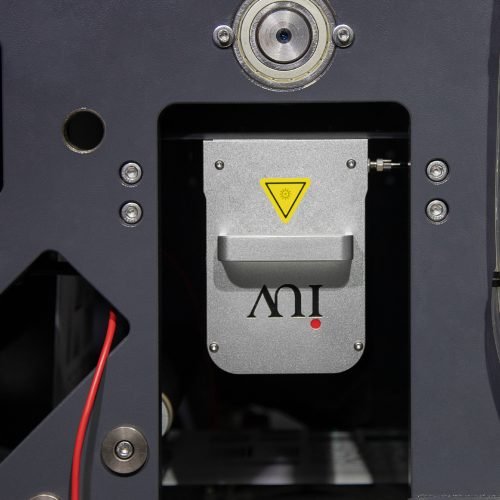
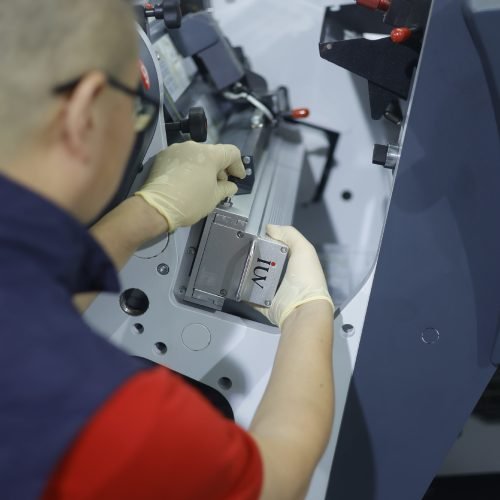
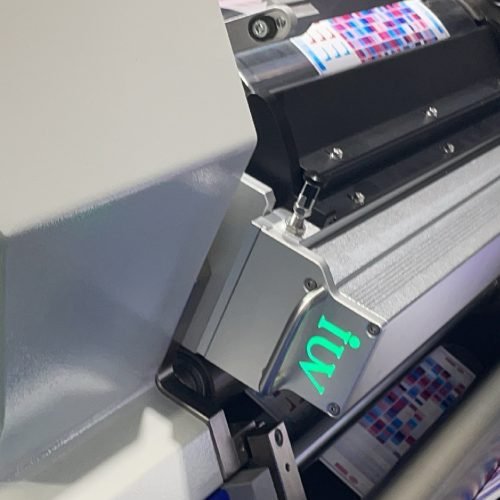
Narrow web presses, typically used for labels and packaging, operate with web widths ranging from a few inches up to around 20 inches. This format is where LED UV curing has found its most significant impact. The compact nature of LED UV units makes them ideal for retrofitting onto existing narrow web presses or for integration into new equipment. Their energy efficiency aligns perfectly with the cost-conscious nature of the label market, and their precise curing capabilities meet the demand for high-quality, durable labels produced at high speeds.
Enhanced Productivity Through Reduced Waste
The benefits of LED UV curing extend to waste reduction. Better ink adhesion and more consistent curing mean fewer misprints and defective labels. The ability to print on a wider range of substrates also reduces the need for specialized, potentially more expensive, materials. Furthermore, the quick start-up and shut-down times minimize waste during job changeovers. All these factors contribute to a more streamlined and less wasteful production process.
Future Trends and Considerations
As the label manufacturing industry continues to evolve, the adoption of energy-efficient technologies like LED UV curing is expected to accelerate. Ongoing research and development are focusing on further improving LED efficiency, expanding the available spectral outputs for even greater ink compatibility, and reducing the overall cost of these systems. For label manufacturers looking to enhance their competitive edge, investing in LED UV curing technology is a strategic decision that promises substantial returns in productivity, quality, and operational efficiency. It represents a forward-thinking approach to label production that embraces sustainability and technological advancement.