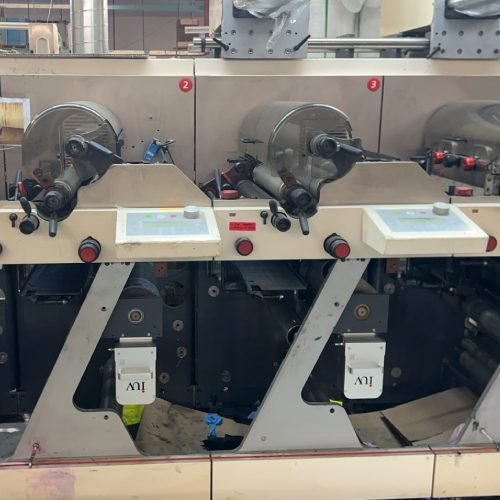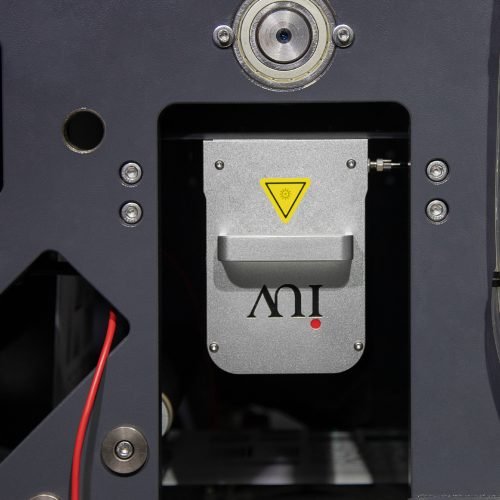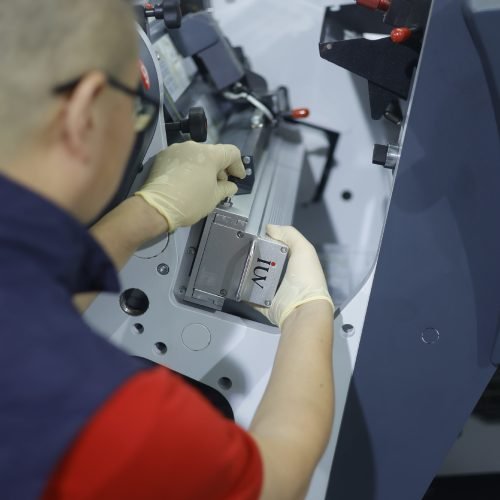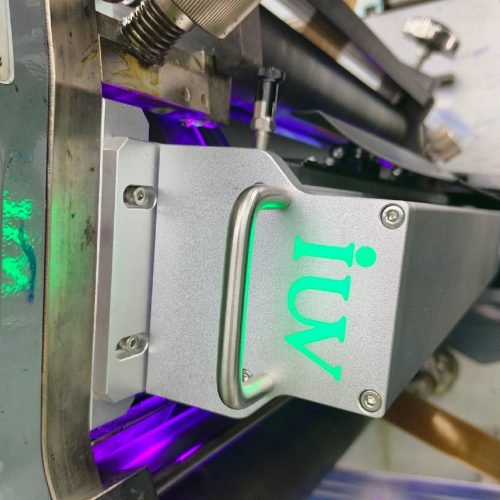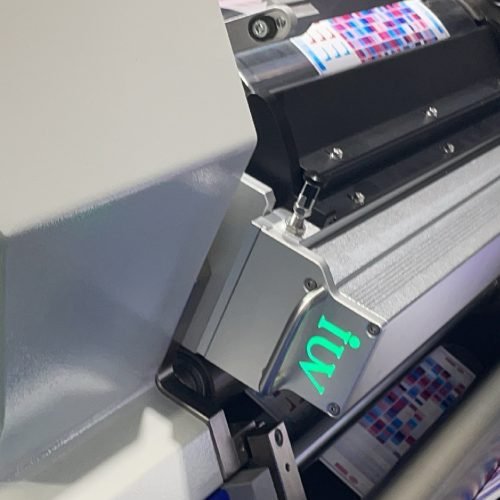
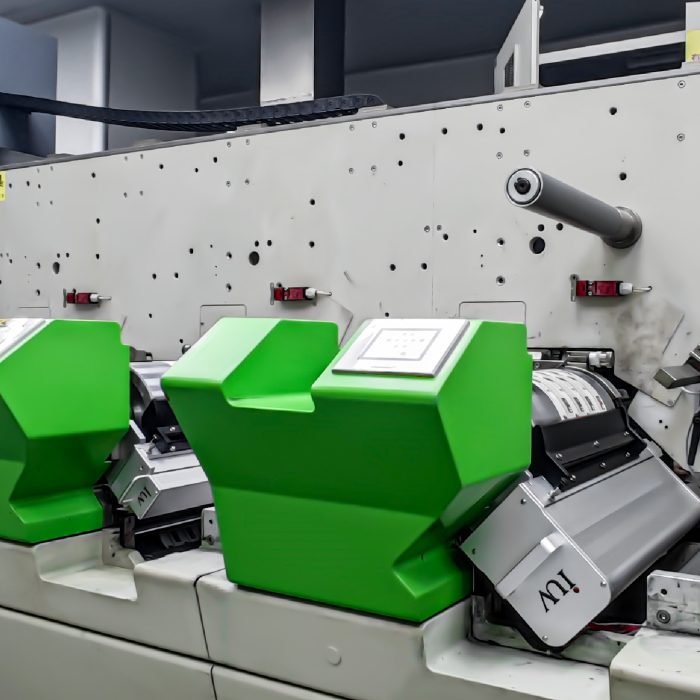
The label printing industry is a dynamic and competitive space. Manufacturers constantly seek ways to increase efficiency, improve print quality, and reduce operational costs. In the realm of high-speed offset label converting, the adoption of advanced curing technologies has become a critical differentiator. Among these, LED UV curing systems stand out for their ability to significantly optimize production processes. This technology offers a compelling alternative to traditional methods, unlocking new levels of performance for narrow-web offset presses.
The Evolution of Curing Technologies in Print
For decades, printers relied on thermal curing and mercury-vapor UV lamps. Thermal curing, while effective for certain inks, often requires significant energy input and longer drying times. Mercury-vapor UV lamps, on the other hand, provided faster curing but came with their own set of challenges. These included high heat output, ozone generation, and the need for frequent lamp replacement. Furthermore, their broad spectrum output could sometimes lead to substrate degradation or yellowing.
The emergence of LED UV technology marked a significant leap forward. Light Emitting Diodes (LEDs) offer a more focused and efficient way to deliver UV energy. This precise delivery translates into substantial benefits for the demanding environment of high-speed label converting.
Understanding LED UV Curing Principles
At its core, LED UV curing involves using specific wavelengths of ultraviolet light to initiate a rapid photochemical reaction. This reaction, known as polymerization, instantly solidifies liquid inks, coatings, or adhesives into a durable, solid film. Unlike broad-spectrum mercury lamps, LEDs emit light within a narrow, precise wavelength band. For printing applications, common wavelengths include 365 nm, 385 nm, 395 nm, and 405 nm.
The efficiency of LED UV curing stems from several key factors:
- Instant On/Off: LEDs can be switched on and off instantaneously. This is crucial for high-speed printing where precise timing is essential. There\’s no warm-up or cool-down period required, leading to immediate curing at the desired print station.
- Low Heat Emission: Compared to mercury lamps, LEDs generate significantly less heat. This is vital for heat-sensitive substrates commonly used in label printing, such as thin films and certain papers. Reduced heat also contributes to a more stable printing environment and less strain on the press components.
- Energy Efficiency: LEDs consume considerably less energy than their mercury vapor counterparts. This translates directly into lower electricity bills and a reduced carbon footprint for printing operations.
- Longer Lifespan: LED lamps have an exceptionally long operational life, often exceeding 20,000 hours. This dramatically reduces downtime associated with lamp replacement and maintenance, a major cost saving in continuous production.
- Specific Wavelengths: The ability to select specific wavelengths allows for optimized curing of particular ink formulations. This precise control minimizes wasted energy and ensures thorough curing, preventing issues like ink migration or incomplete adhesion.
Optimizing High-Speed Offset Label Converting with LED UV
The demands of high-speed offset label converting necessitate robust and efficient processes. Narrow-web offset presses operate at impressive speeds, and any bottleneck can significantly impact productivity. LED UV curing systems directly address these demands in several key areas:
1. Enhanced Curing Speed and Throughput
The instant curing capability of LED UV is perhaps its most significant advantage in high-speed environments. As the web moves through the press, each print station equipped with an LED UV unit can immediately cure the ink or coating applied. This eliminates the need for lengthy drying tunnels or inter-station drying delays. For offset label converters pushing for maximum throughput, this means the press can run at its highest possible mechanical speed without compromising ink adhesion or finish.
2. Superior Print Quality and Finish
Precise curing is paramount for achieving high-quality labels. LED UV ensures that inks and coatings are fully polymerized, leading to:
- Vibrant Color Reproduction: Full curing prevents ink spreading or smudging, allowing for sharp dots and consistent color density. This is essential for brand recognition and product appeal.
- Durable Finishes: LED UV cured inks and coatings are exceptionally durable. They offer excellent scratch resistance, rub resistance, and resistance to chemicals, making them ideal for labels that must withstand demanding conditions.
- Improved Gloss and Matte Effects: Whether a high-gloss finish or a sophisticated matte effect is desired, LED UV systems can deliver consistent results without over-curing or yellowing the substrate. This allows converters to offer a wider range of aesthetic options to their clients.
3. Substrate Versatility
Traditional curing methods can pose challenges with heat-sensitive substrates. The low heat output of LED UV systems opens up possibilities for printing on a broader range of materials. This includes:
- Thin Films: Polypropylene, polyethylene, and polyester films, often used for their durability and aesthetic qualities, can be safely printed without warping or degradation.
- Specialty Papers: Delicate papers or those with specific coatings can be handled without risk of damage from excessive heat.
- Recycled and Biodegradable Materials: As sustainability becomes increasingly important, LED UV\’s efficiency and compatibility with a wider array of substrates support the use of eco-friendlier materials.
4. Reduced Waste and Rework
Inconsistent curing can lead to significant waste. Inks that aren\’t fully cured can cause smudging during subsequent processing, leading to rejected labels and costly rework. LED UV\’s consistent and thorough curing minimizes these risks. The instant on/off nature also means that energy is only consumed when the web is present, further reducing waste.
5. Operational Efficiencies and Cost Savings
The economic benefits of LED UV curing are substantial for label converters:
- Lower Energy Consumption: As mentioned, LEDs are far more energy-efficient than mercury lamps. This translates to lower operating costs and a smaller environmental impact.
- Reduced Maintenance: The long lifespan of LED lamps drastically cuts down on replacement costs and associated downtime. Maintenance is simplified, focusing on cleaning rather than frequent lamp changes.
- Elimination of Ozone: Unlike mercury lamps, LED UV systems do not produce ozone, eliminating the need for expensive exhaust ventilation systems and improving workplace air quality.
- Compact Footprint: LED UV systems are generally more compact than traditional UV curing units, allowing for easier integration into existing press lines and saving valuable floor space.
6. Environmental Considerations
Beyond energy savings, LED UV technology aligns with growing environmental consciousness in the printing industry. The reduction in ozone and mercury waste is a significant environmental advantage. Furthermore, the ability to print effectively on a wider range of sustainable substrates supports the move towards greener printing practices.
Integrating LED UV into Offset Label Converting Workflows
Successful integration of LED UV curing into offset label converting requires careful consideration of several factors. The choice of LED system should align with the specific press capabilities, desired production speeds, and ink/coating chemistries.
- Wavelength Selection: Different ink and coating manufacturers formulate their products to cure optimally at specific LED wavelengths. Selecting a system that matches these requirements is crucial for achieving the best results.
- Power and Uniformity: The power output of the LEDs and the uniformity of the light across the web width are critical. Insufficient power will lead to incomplete curing, while uneven distribution can result in inconsistent finish.
- Cooling Systems: While LEDs generate less heat, they still require effective cooling to maintain performance and longevity. Air-cooled and water-cooled systems are available, with the choice often depending on the press configuration and environmental conditions.
- Ink and Coating Formulations: The shift to LED UV often requires the use of specialized inks and coatings designed to react efficiently with the specific wavelengths emitted by the LEDs. Printers must work closely with their ink suppliers to select appropriate materials.
The Future of High-Speed Label Printing
LED UV curing systems are not just an incremental improvement; they represent a fundamental shift in how labels are produced at high speeds. Their ability to enhance productivity, improve quality, offer greater substrate flexibility, and provide significant cost savings makes them an indispensable technology for modern offset label converters. As the industry continues to evolve, driven by demands for faster turnaround, higher quality, and greater sustainability, LED UV curing will undoubtedly play an even more central role in shaping the future of narrow-web printing. For any label converter looking to stay competitive and unlock new levels of operational excellence, exploring and implementing LED UV technology is a strategic imperative.