Ink tack and surface tension are critical factors in print quality. They directly impact how ink transfers from the printing plate to the substrate. When these properties are not managed correctly, printers often encounter a range of problems. These can include poor ink transfer, smudging, and adhesion issues. Understanding and controlling ink tack and surface tension is therefore paramount for achieving consistent, high-quality results. This is especially true in demanding applications like narrow web printing, flexography, and offset lithography.
The Challenge of Ink Tack
Ink tack refers to the stickiness of the ink. It\’s the force required to separate the ink film into two parts. In printing, this separation occurs as the ink film splits between the printing plate, the ink roller, and the substrate. The ideal tack level ensures that the ink transfers cleanly to the substrate without picking or pulling the substrate surface.
In flexographic and offset printing, ink tack is a delicate balance. Too low a tack, and the ink may not transfer effectively from the anilox roll or the plate to the substrate. This leads to weak image areas and poor ink coverage. Too high a tack, and the ink can cause problems. It might pull fibers from uncoated paper substrates, a process known as \”picking.\” On film substrates, excessive tack can lead to ink misting. This is where tiny ink droplets fly off the rollers. Misting can cause contamination and affect print quality across the entire run.
Managing ink tack involves several factors. These include ink formulation, temperature, and humidity. Ink manufacturers adjust the viscosity and the presence of certain resins and additives. These adjustments fine-tune tack for specific printing conditions. However, environmental factors can easily disrupt this balance. Higher temperatures can decrease tack. Increased humidity can also affect ink rheology. This makes consistent tack management a persistent challenge for printers.
Understanding Surface Tension
Surface tension is another key property of printing inks. It\’s the measure of the cohesive forces between liquid molecules at the surface. These forces create a \”skin\” on the liquid. In printing, surface tension affects how the ink wets the printing plate and the substrate. It also influences how the ink spreads and adheres to the surface.
For good ink transfer and adhesion, the ink\’s surface tension must be lower than the substrate\’s surface energy. If the ink\’s surface tension is too high, it will not spread properly on the substrate. This can lead to beading or poor wetting. This results in weak adhesion and potential delamination. On the other hand, if the surface tension is too low, the ink might spread excessively. This can cause a loss of fine detail and print definition.
Substrate surface energy is crucial. Different substrates have different surface energies. Plastics like polyethylene (PE) and polypropylene (PP) often have low surface energy. They require inks with very low surface tension for proper wetting and adhesion. Paper substrates, especially uncoated ones, have a more porous surface. Ink penetration and absorption play a role in adhesion here. Maintaining the correct surface tension balance is essential for achieving vibrant colors and durable prints. It ensures the ink flows and bonds as intended.
The Limitations of Traditional Curing Methods
Traditionally, UV curing has been a staple in the printing industry. It uses mercury vapor lamps to generate UV light. This light initiates a chemical reaction in UV-curable inks. The ink solidifies or \”cures\” almost instantly. This offers benefits like fast drying and good print durability. However, traditional UV curing has significant drawbacks.
Mercury lamps operate at high temperatures. This heat can be detrimental. It can cause substrate distortion, especially with heat-sensitive films used in narrow web packaging. The high heat can also affect ink properties, potentially altering tack and flow during the printing process. Furthermore, mercury lamps have a limited lifespan. They require frequent replacement and proper disposal due to their environmental impact. Their energy consumption is also substantial.
The wavelength output of mercury lamps is broad. This means they emit a wide spectrum of UV light, including UVC, which is harmful. While effective for curing, this broad spectrum is inefficient. It also means that specific photoinitiators in the ink may not be optimally activated. This can lead to incomplete curing or surface defects. The heat generated can also be an issue when trying to manage ink tack and prevent premature drying on the press.
Enter LED UV Curing: A Modern Solution
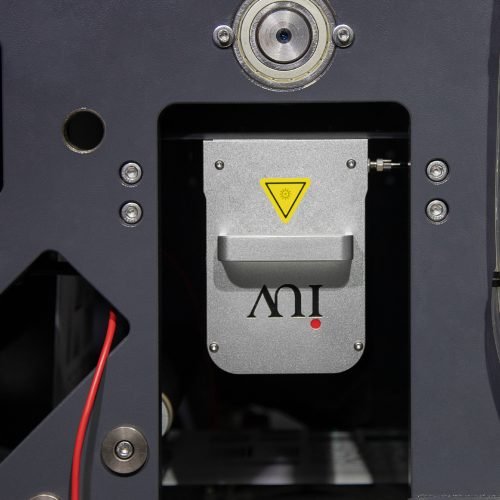
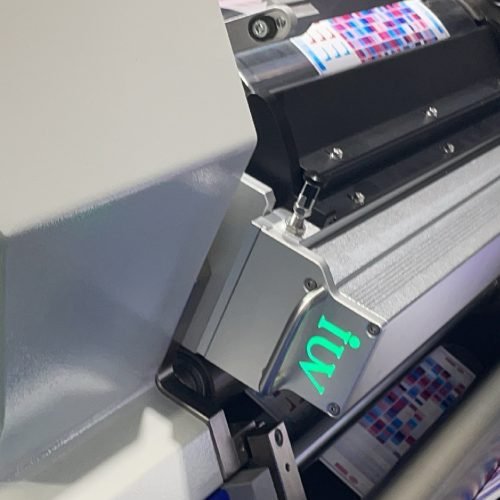
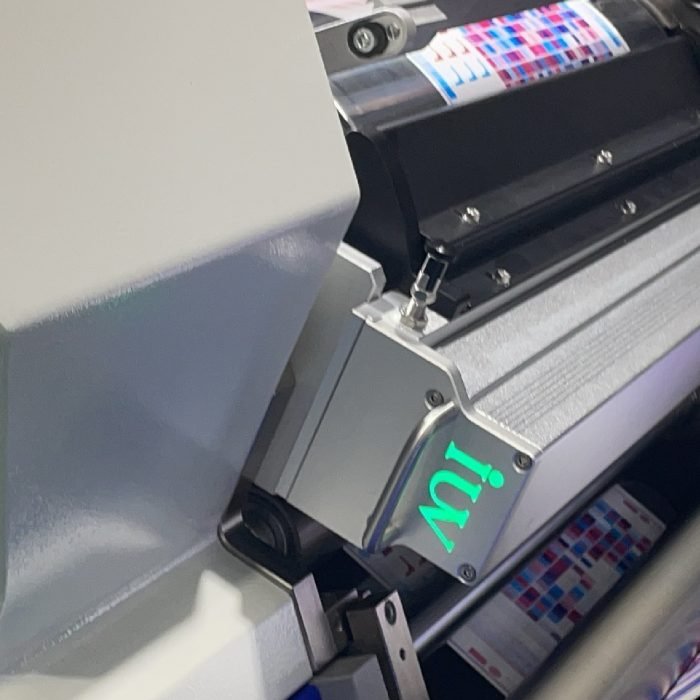
LED UV curing technology has emerged as a transformative solution. It utilizes light-emitting diodes (LEDs) instead of mercury vapor lamps. LEDs offer a range of advantages that directly address the challenges of ink tack and surface tension.
LEDs emit UV light at specific, narrow wavelengths. Common wavelengths used in printing are 365 nm, 385 nm, 395 nm, and 405 nm. This precise wavelength control allows for optimized curing with specific photoinitiators. The ink formulation can be tailored to these wavelengths. This ensures efficient and complete polymerization.
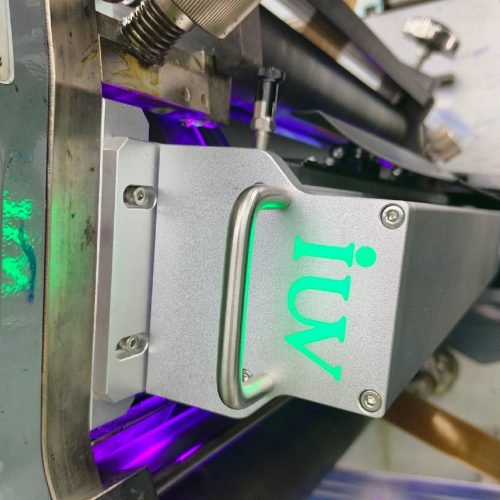
One of the most significant benefits of LED UV curing is its cool-cure capability. LEDs generate very little heat. This is a game-changer for printing on heat-sensitive substrates. It eliminates the risk of substrate distortion or shrinkage common with mercury lamps. For narrow web printers working with flexible packaging films, this is invaluable. The reduced heat also means the ink remains more stable on the press. This helps maintain consistent tack throughout the print run. Printers can achieve the desired ink transfer without worrying about premature drying or viscosity changes caused by heat.
How LED UV Curing Optimizes Ink Tack
The controlled environment provided by LED UV curing directly benefits ink tack management. Because LEDs produce minimal heat, the ink on the printing plate and in the ink train remains at a more stable temperature. This stability is crucial for maintaining consistent ink viscosity and, consequently, consistent tack.
Printers can achieve a desired ink tack level with the ink formulation. They can then rely on the LED system to maintain that tack. There\’s less variability introduced by fluctuating press temperatures. This means less frequent adjustments to ink viscosity. It also reduces the likelihood of issues like picking or misting caused by heat-induced tack changes. The ability to print at lower temperatures also allows for the use of inks with a broader tack range, offering greater flexibility in formulation and application.
Furthermore, the efficient curing process with LEDs ensures that the ink fully polymerizes. This results in a robust ink film. A well-cured ink film adheres better to the substrate. It also resists scuffing and chemical attack. This enhanced durability is a direct result of complete curing, which is reliably achieved with the precise wavelengths and intensity offered by LED systems.
Enhancing Adhesion Through Surface Tension Control with LED UV
LED UV curing also plays a vital role in improving ink adhesion by enabling better control over surface tension effects. The low heat output prevents the ink from drying too quickly on the plate or in transfer points, allowing for proper ink transfer and wetting.
The precise wavelength curing offered by LEDs allows ink manufacturers to develop formulations that cure efficiently at specific UV bands. This means inks can be formulated with photoinitiators that are highly sensitive to the LED wavelengths. This leads to faster and more complete cure. A complete cure results in a stronger bond between the ink and the substrate.
For low surface energy substrates, such as many plastics used in packaging, achieving good adhesion is a major hurdle. These substrates require inks with very low surface tension to wet out properly. The stable printing environment provided by LED UV curing ensures that the ink’s intended surface tension properties are maintained until the point of curing. This allows the ink to spread and bond effectively. The rapid, efficient curing process then locks that bond in place before any potential issues like poor wetting can manifest as adhesion failures.
Applications in Narrow Web, Flexo, and Offset Printing
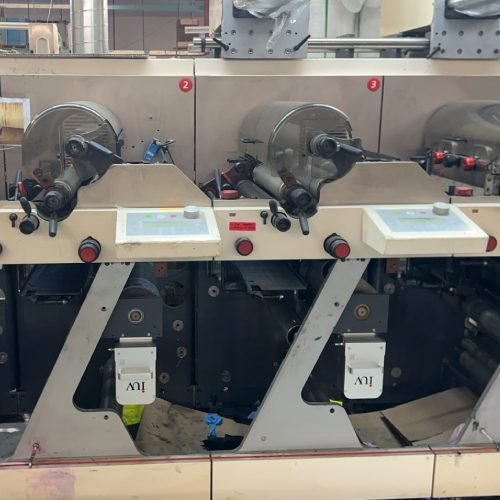
The benefits of LED UV curing are particularly impactful in narrow web printing. This sector often deals with flexible packaging, labels, and specialty printing. Here, substrate versatility and high print quality are essential. LED systems allow printers to handle a wide array of films and papers without heat-related issues. This expands their application capabilities significantly.
In flexographic printing, especially for labels and flexible packaging, tack and adhesion are critical. LED UV curing provides the consistency needed to manage ink tack across long print runs. It ensures excellent adhesion to diverse substrates, including challenging plastics and foils. The ability to cure efficiently without excessive heat is a significant advantage.
Offset lithography, while often associated with heatset or conventional drying, is increasingly adopting UV curing, including LED UV. For sheetfed and web offset, LED UV offers faster turnaround times and improved print durability. It allows for immediate post-press handling without smudging. The precise control over curing also means that delicate ink transfer in offset can be maintained, with tack levels optimized for consistent dot gain and print definition.
The Future of Curing and Ink Properties
LED UV curing represents a significant advancement in printing technology. It offers a more sustainable, efficient, and versatile approach to solving ink tack and surface tension challenges. Its cool-cure capability, precise wavelength control, and energy efficiency make it an attractive option for modern print operations.
As ink formulations continue to evolve, they will be designed to take full advantage of LED UV technology. This will lead to even better performance in terms of color gamut, rub resistance, and adhesion. The ability to precisely control the curing process allows for greater innovation in ink chemistry. This means printers can achieve results that were previously unattainable.
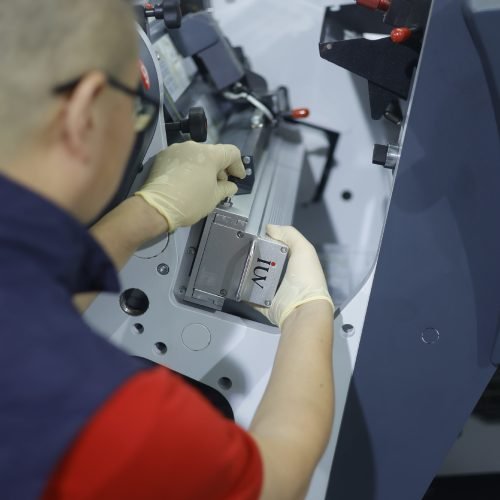
The integration of LED UV curing into printing presses is becoming standard. This shift underscores its proven benefits. For any printer looking to enhance print quality, expand substrate capabilities, and improve operational efficiency, embracing LED UV curing solutions is a strategic move. It provides a robust platform for overcoming ink tack and surface tension issues, leading to superior printed products.