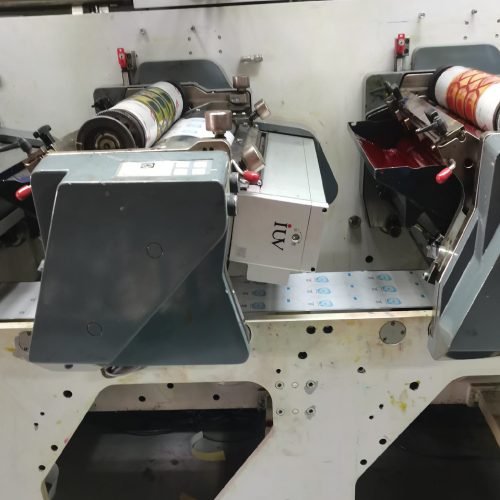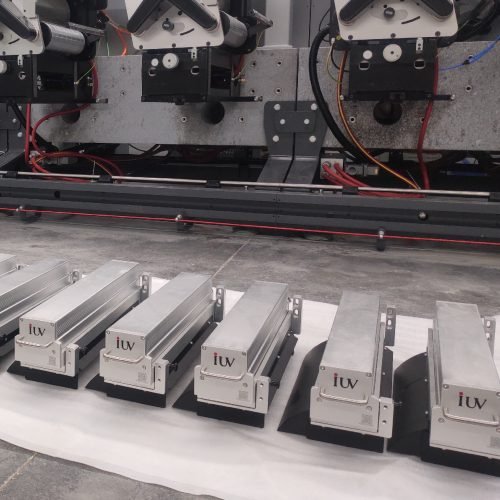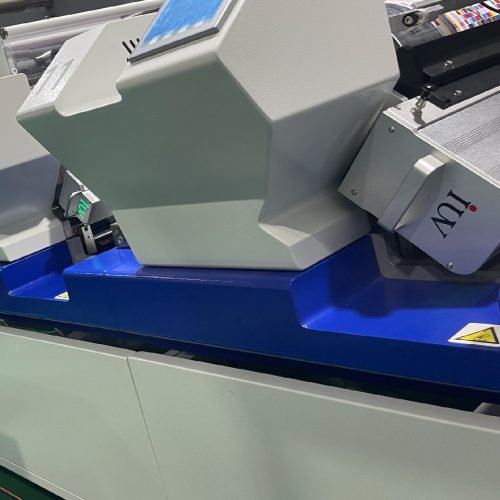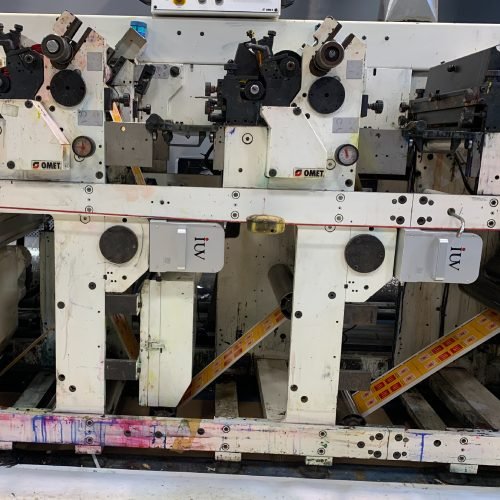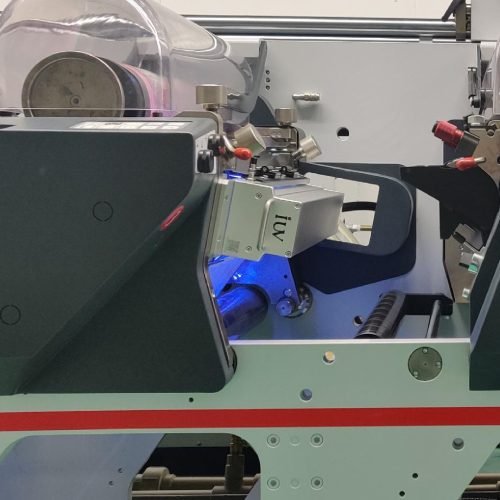
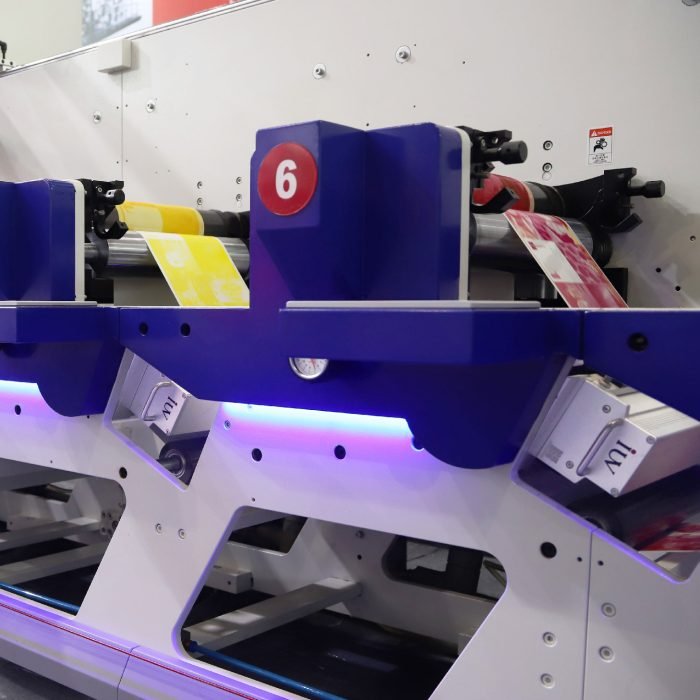
The shift toward LED curing systems in offset printing isn’t just a trend—it’s a practical response to the evolving demands of efficiency, sustainability, and print quality. For industries like label, flexo, sheet-fed, and narrow-web printing, the choice between traditional UV and LED curing has become a defining factor in operational success. Let’s break down why LED technology is pulling ahead.
Energy Efficiency & Cost Savings Conventional UV systems rely on mercury-vapor lamps, which consume significant energy and generate excess heat. These lamps operate at full intensity continuously, even during idle periods, driving up electricity costs. LED curing systems, by contrast, use diodes that activate instantly and adjust output based on substrate requirements. Printers report energy savings of 40-70% after switching to LED, with reduced cooling needs slashing HVAC expenses. For narrow-web presses running delicate films or heat-sensitive materials, this eliminates warping and substrate damage—common headaches with mercury lamps.
Environmental Impact Mercury-based UV systems require careful disposal due to toxic components, adding regulatory compliance costs. LED units contain no hazardous materials, simplifying end-of-life management. Additionally, LED curing produces no ozone, eliminating the need for exhaust systems to manage harmful byproducts. This makes retrofitting older presses easier, particularly in facilities with limited ventilation.
Print Quality & Speed In label printing, where fine details and vibrant colors are non-negotiable, LED curing offers sharper dot reproduction. The precise wavelength control of LEDs (typically 365-405 nm) ensures uniform curing across inks and coatings, reducing mottling or uneven gloss. For flexo printers, this translates to consistent results on porous substrates like kraft paper or textured synthetics. Sheet-fed offset operations benefit from faster curing times—LEDs achieve full cure in milliseconds, allowing immediate stacking or finishing. This eliminates the waiting period required for conventional UV inks to off-gas, boosting throughput.
Ink Compatibility & Versatility Early LED systems faced criticism for limited ink options, but today’s formulations cater to diverse applications. Low-migration LED inks are now standard for food packaging, while high-opacity variants excel in metalized label printing. Hybrid systems, which combine LED and UV technologies, let printers use legacy UV inks without retrofitting entire lines—a cost-effective bridge for shops transitioning gradually.
Maintenance & Longevity Mercury lamps degrade over time, requiring replacement every 1,000-2,000 hours to maintain curing efficiency. Frequent lamp changes disrupt production and inflate long-term costs. LED emitters last up to 20,000 hours with minimal output decay, ensuring consistent performance across shifts. The absence of moving parts or fragile glass components also reduces downtime from mechanical failures.
Applications Across Print Segments
- Label Printing: LED’s cold curing prevents label stock distortion, critical for thin films and pressure-sensitive materials.
- Flexo Printing: Instant on/off capability supports short runs and variable-data jobs without energy waste.
- Sheet-Fed Offset: Faster curing enables high-speed duplex printing with no set-off issues.
- Narrow-Web: Compact LED units fit into space-constrained presses, ideal for tags, tickets, and flexible packaging.
The Bottom Line While conventional UV systems still serve niche applications requiring extreme ink film thickness, LED curing has become the go-to for shops prioritizing agility and sustainability. The upfront investment in LED technology pays off through lower operational costs, reduced environmental liabilities, and the ability to tackle heat-sensitive jobs competitors can’t handle. As ink chemistries advance and LED wavelengths diversify, the gap between these curing methods will only widen—leaving printers who delay adoption at a strategic disadvantage.
For operations weighing the switch, pilot testing LED-curable inks on existing workflows can reveal immediate benefits without full-scale overhaul. Partnering with suppliers offering tailored LED solutions ensures seamless integration, whether retrofitting a decade-old press or specifying a new installation. The question isn’t whether to adopt LED curing—it’s how quickly your shop can adapt to stay ahead.