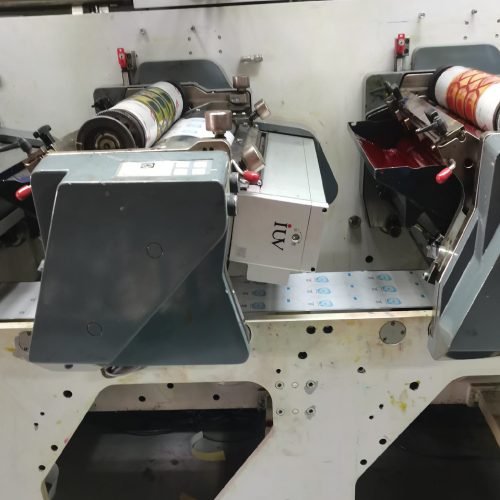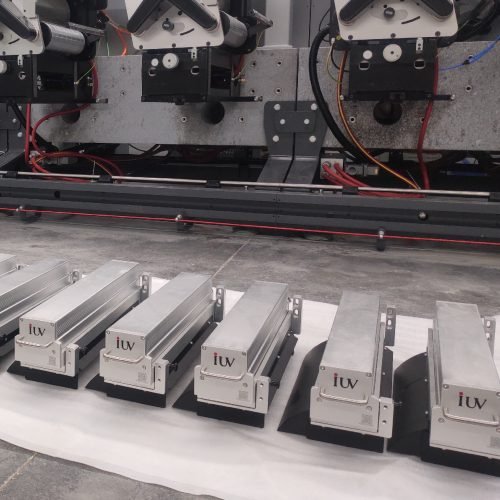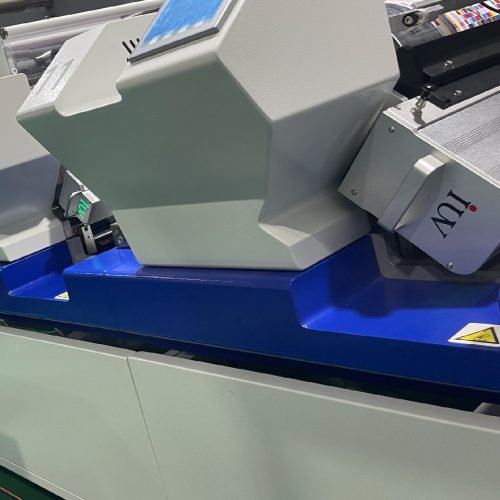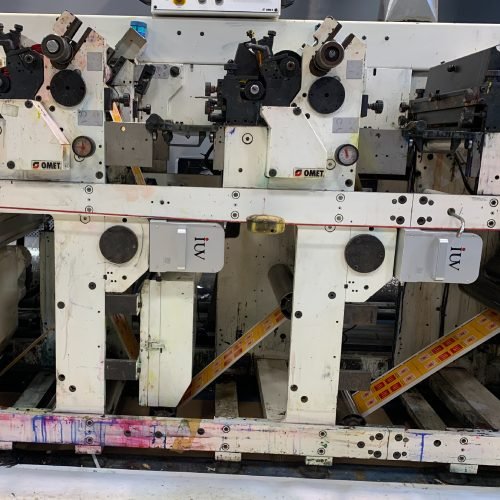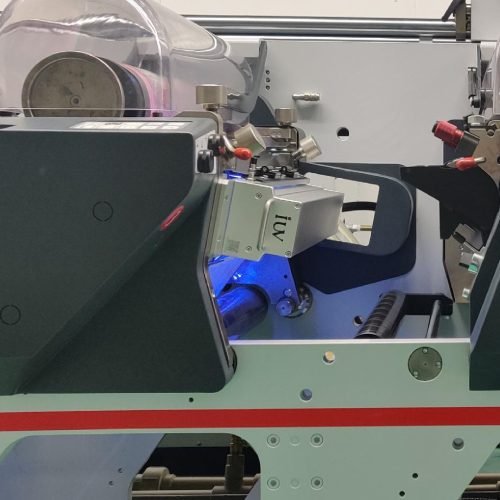
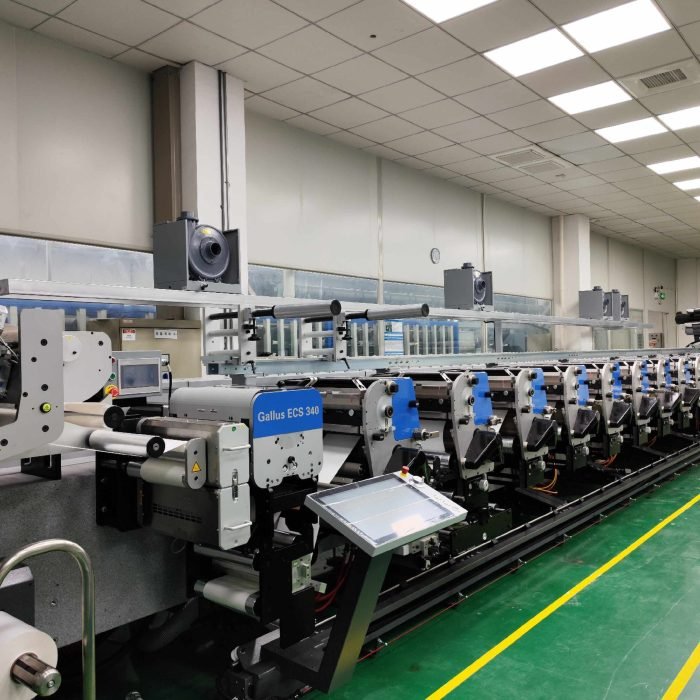
The shift toward sustainable practices in printing isn’t just a trend—it’s a necessity. Among the innovations driving this change, LED curing systems stand out as a game-changer. Unlike traditional mercury-vapor UV lamps, LED technology offers precision, efficiency, and environmental benefits that align with modern demands. Let’s break down why these systems are reshaping industries like label, flexo, offset, and narrow-web printing.
Traditional UV curing relies on mercury-based bulbs, which generate broad-spectrum UV light. The problem? Mercury is toxic, and disposal poses environmental risks. These bulbs also waste energy—up to 70% of their output is heat, not usable UV light. Printers end up battling excessive heat in production areas, which strains cooling systems and inflates energy bills. LED systems sidestep these issues entirely. They emit targeted UV-A light, eliminating mercury and slashing energy consumption by 50-70%. Heat output drops dramatically, reducing the need for climate control and protecting heat-sensitive substrates like thin films or lightweight papers.
In label printing, speed and precision matter. LED curing allows instant on/off functionality, which means no warm-up delays. For short runs or variable-data jobs, this translates to faster turnaround times. Labels cured with LED UV inks also achieve sharper detail because the light intensity remains consistent, preventing dot gain or ink spread. Sustainability-wise, LED systems pair well with water-based or low-migration inks, meeting strict food-safe or pharmaceutical labeling standards without volatile organic compounds (VOCs).
Flexographic printers face unique challenges with solvent-based inks, which require drying tunnels and emit harmful VOCs. Switching to LED-curable inks simplifies the process. Inks cure on contact, eliminating drying time and allowing immediate post-processing. This is a win for flexible packaging, where substrates like polyethylene or polypropylene demand low heat. LED systems also reduce odor, making them ideal for facilities with limited ventilation.
Offset printers, particularly those in commercial or packaging sectors, benefit from LED curing’s compatibility with coated stocks and specialty finishes. Traditional UV offset requires high-powered lamps that can yellow substrates or cause brittleness. LED’s cooler operation preserves material integrity, enabling vibrant colors on delicate stocks like synthetic papers or metallic finishes. For hybrid printing setups combining offset and digital units, LED curing’s compact size and minimal heat make integration seamless.
Narrow-web printers often juggle diverse jobs—labels, sleeves, folding cartons. LED systems offer versatility here. Their adjustable wavelengths (365-405 nm) accommodate different ink formulations, from standard UV to low-energy chemistries. This flexibility reduces inventory costs, as a single LED unit can handle multiple ink types. Energy savings also compound in high-volume runs; a 10-meter-per-minute job using LED consumes roughly 3 kW versus 12 kW for conventional UV. Over a year, that difference can cut carbon emissions by tons.
Durability is another perk. Traditional UV lamps degrade over time, requiring replacement every 1,000-2,000 hours. LED modules last up to 20,000 hours with stable output, minimizing downtime and maintenance costs. For printers operating 24/7, this reliability is non-negotiable.
From a sustainability angle, LED curing checks multiple boxes. Lower energy use directly reduces greenhouse gas emissions. No mercury means safer disposal and compliance with regulations like RoHS or REACH. Waste decreases too—instant curing prevents ink settling or dust contamination, cutting material waste by up to 15%.
Critics argue upfront costs for LED systems are steep, but the ROI timeline has shortened. Energy savings alone can offset the investment within 18-24 months. Add in reduced HVAC costs, longer component life, and faster job turnover, and the financial case strengthens.
The future of printing leans toward modular, eco-conscious technologies. LED curing isn’t just an alternative—it’s becoming the standard for shops aiming to balance productivity with planetary responsibility. As ink chemists develop formulations tailored to LED wavelengths, and hardware becomes more compact, adoption will only accelerate. For printers hesitant to transition, the question isn’t “Why switch?” but “How soon can we start?”