Revolutionizing Label Production with LED Curing Systems: A Technical Insight
The world of label printing is in constant motion. Advancements in technology continually reshape how we produce vibrant, durable, and high-quality labels. One of the most significant shifts in recent years involves curing systems. Specifically, the integration of LED UV curing technology is transforming narrow web printing processes. This shift offers a compelling blend of efficiency, sustainability, and performance.
The Evolution of Curing in Printing
Historically, printing relied on thermal or electron beam (EB) curing. Thermal curing uses heat to dry inks, a process that can be slow and energy-intensive. EB curing, while fast, requires significant upfront investment and specialized shielding. For decades, mercury-vapor UV lamps were the standard in UV curing. These lamps offered a good balance of speed and effectiveness for offset and flexographic printing. However, they came with their own set of drawbacks.
Mercury lamps generate substantial heat, impacting substrate choices and increasing energy consumption. Their lifespan is limited, requiring frequent and costly replacements. Furthermore, they emit harmful UV-B and UV-C radiation, necessitating safety precautions and often requiring ventilation systems. The on/off cycling of these lamps also leads to warm-up and cool-down periods, reducing overall press uptime.
Introducing LED UV Curing Technology
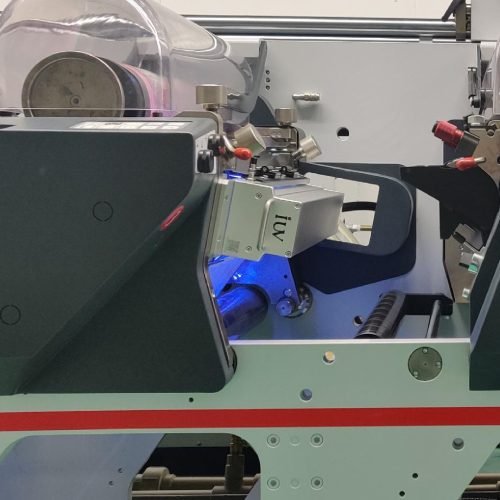
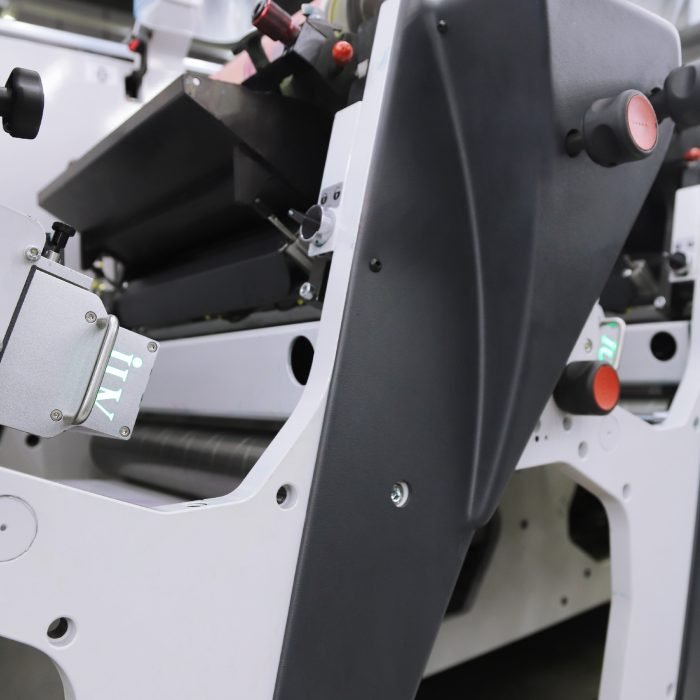
Light Emitting Diode (LED) UV curing represents a paradigm shift. Instead of a broad spectrum of UV light emitted by mercury lamps, LEDs emit a highly focused wavelength. This precision targeting of specific wavelengths, typically in the UVA range (365nm, 395nm), is key to their efficacy. The chemical formulation of UV-curable inks and coatings is designed to react and polymerize when exposed to these specific wavelengths.
This focused energy delivery means less wasted light and significantly reduced heat transfer to the substrate. For label printers working with heat-sensitive materials like thin films or certain papers, this is a game-changer. The risk of warping, shrinking, or deforming the label stock is dramatically minimized.
Advantages for Flexographic and Offset Printing
Both flexographic and offset printing processes benefit immensely from LED UV curing. In narrow web flexo, where speed and throughput are paramount, LED curing offers instant drying. This allows for immediate handling, stacking, and further processing without the delays associated with conventional methods. It also enables faster press speeds without compromising ink adhesion or finish quality.
For offset printing, particularly in sheet-fed or web applications for labels, LED curing provides excellent surface cure. This results in improved rub resistance and gloss, crucial for premium label applications. The consistent energy output of LEDs also ensures predictable curing across long print runs, reducing batch-to-batch variation.
Enhanced Performance and Efficiency
The benefits extend beyond just speed and substrate compatibility. LED UV curing systems boast a much longer operational lifespan, often reaching tens of thousands of hours. This dramatically reduces maintenance downtime and the recurring cost of lamp replacements. Their instant on/off capability means no warm-up or cool-down delays, contributing to higher press utilization.
Energy efficiency is another major selling point. LEDs consume significantly less power than mercury lamps, translating into lower electricity bills and a reduced carbon footprint for the printing operation. This aligns with the growing demand for sustainable printing practices across the industry.
Economic and Environmental Considerations
The long-term economic advantages are substantial. While the initial investment in LED curing equipment might be higher, the reduced energy costs, lower maintenance expenses, and increased press uptime lead to a compelling return on investment. The elimination of mercury disposal also contributes to a more environmentally responsible printing process.
Furthermore, the ability to print on a wider range of substrates, including thinner and more cost-effective materials, opens up new market opportunities for label manufacturers. The improved durability and resistance properties of LED-cured inks also mean fewer rejected labels and a higher quality end product for the customer.
Addressing Challenges and Future Outlook
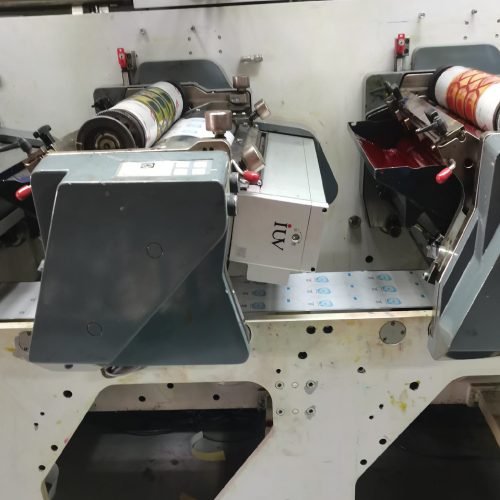
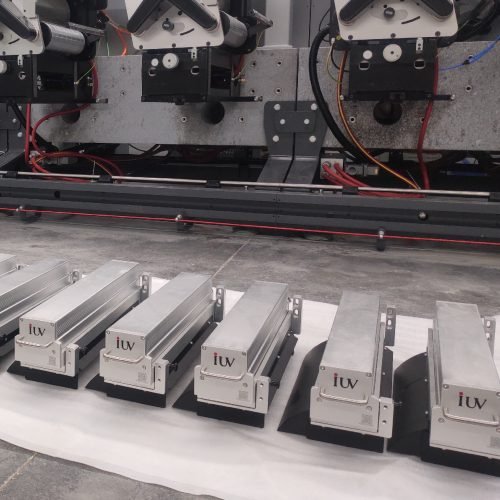
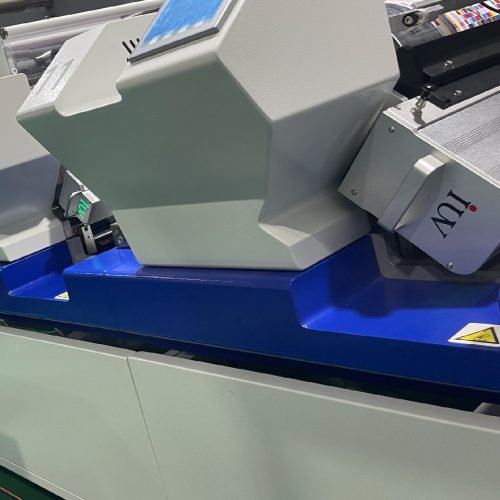
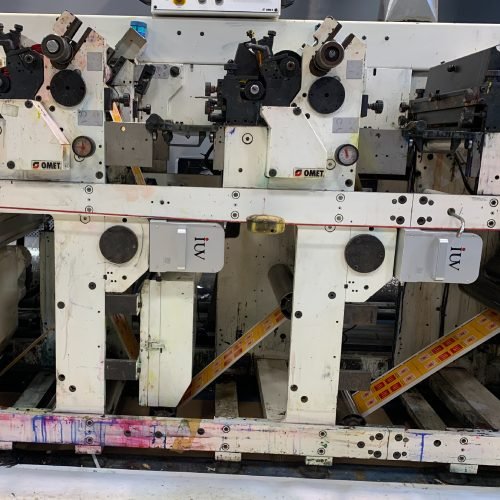
Implementing LED UV curing requires careful consideration of ink and coating formulations. Printers must ensure their chosen materials are specifically designed for LED wavelengths. Press manufacturers are increasingly offering presses pre-equipped with LED curing units, simplifying integration. Retrofitting existing presses is also a viable option, though it requires professional assessment and installation.
The future of label production is undeniably moving towards more efficient, sustainable, and high-performance solutions. LED UV curing systems are at the forefront of this revolution. Their technical advantages, coupled with significant economic and environmental benefits, make them an indispensable technology for modern narrow web, flexographic, and offset label printing operations. As the technology continues to evolve, we can expect even greater integration and innovation in the years to come.