Brighter Labels, Greener Future: LED Curing in Sustainable Manufacturing
The label manufacturing industry is constantly evolving. A key driver of this change is the push for sustainability. Businesses are seeking ways to reduce their environmental impact. This includes everything from material sourcing to production processes. In the realm of label printing, one technology stands out for its ability to contribute to a greener future: LED curing systems.
The Evolution of UV Curing: From Mercury to LED
For years, UV curing has been a staple in label printing. It offered fast drying times and durable finishes. Traditional UV curing primarily relied on mercury vapor lamps. While effective, these lamps come with significant drawbacks. They consume a lot of energy. They also produce substantial heat. Furthermore, mercury lamps have a shorter lifespan. Their disposal also presents environmental challenges.
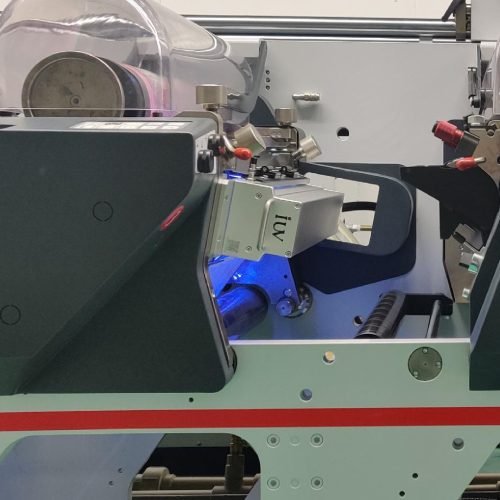
Enter LED UV curing. This technology represents a major leap forward. Light Emitting Diodes (LEDs) offer a more efficient and sustainable alternative. They provide instant on/off capabilities. This means energy is only used when curing is needed. LED systems also generate far less heat. This translates to a more comfortable working environment and reduced strain on sensitive substrates. Their lifespan is considerably longer, minimizing waste and replacement costs.
Narrow Web Printing Embraces Efficiency
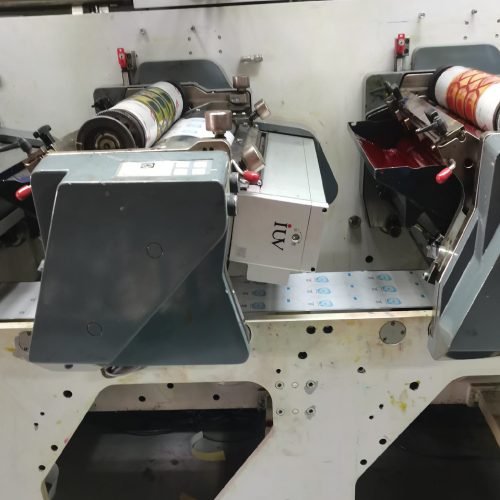
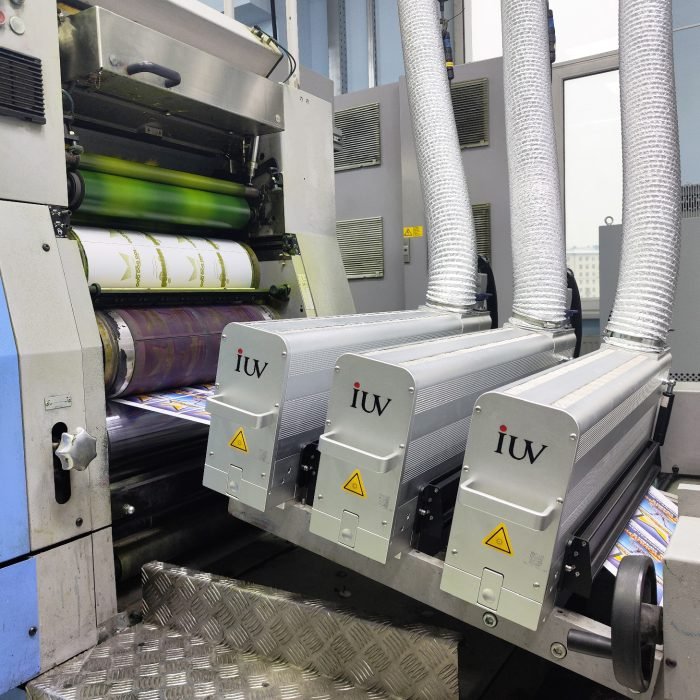
Narrow web printing is the backbone of the label industry. It’s ideal for producing labels in high volumes for a wide range of products. Flexographic printing and offset printing are common methods used in narrow web applications. Both have benefited immensely from the integration of UV curing.
Traditional UV curing, while useful, often required adjustments to manage heat buildup, especially on delicate materials like shrink sleeves or thin films. This is where LED curing truly shines. Its targeted spectral output and significantly lower heat emission allow printers to handle a wider variety of substrates without degradation. This versatility expands design possibilities and reduces material waste from rejected prints due to heat damage.
Flexography and Offset Printing: A Sustainable Partnership
In flexographic printing, UV-curable inks are essential for achieving vibrant colors and sharp details on various label stocks. LED curing complements this by offering instant ink solidification. This allows for faster press speeds and reduced ink flaking or smudging. The immediate cure also means labels can be handled and finished immediately, streamlining the entire production workflow.
Offset printing, particularly for high-quality labels, also leverages UV inks. The precision of offset presses combined with the efficiency of LED curing allows for exceptional print quality. The reduced heat output is also beneficial for offset printing, where maintaining precise ink transfer and dot gain is critical. For both flexo and offset, the energy savings associated with LED technology contribute directly to a lower carbon footprint for the manufacturing process.
The Sustainability Advantage of LED Curing
The environmental benefits of LED curing systems are multifaceted.
- Energy Efficiency: LEDs are remarkably energy-efficient compared to mercury lamps. They consume up to 70% less energy. This directly translates to lower electricity bills and a reduced demand on power grids, contributing to a smaller overall carbon footprint.
- Reduced Heat Output: The lower heat emission from LEDs means less energy is wasted as thermal radiation. This also reduces the need for extensive cooling systems within the printing press, further saving energy.
- Longer Lifespan: LED lamps have a significantly longer operational life than mercury lamps. This means fewer replacements are needed, leading to less waste and lower disposal costs over time.
- No Mercury: Unlike traditional UV lamps, LED systems do not contain mercury. This eliminates the environmental hazard associated with mercury disposal, making them a much safer and more sustainable option.
- Instant On/Off: LEDs provide instant full-spectrum light when turned on. This is unlike mercury lamps, which require a warm-up period and continue to emit light even when not actively curing. This instantaneous control further optimizes energy usage.
- Improved Air Quality: Because UV-curable inks dry via polymerization rather than evaporation, they typically contain fewer volatile organic compounds (VOCs) than solvent-based inks. LED curing, with its efficient and contained process, further minimizes potential VOC emissions.
Optimizing Print Processes with LED Technology
Implementing LED curing systems requires careful consideration of ink formulations and press configurations. Print professionals need to select inks specifically designed for LED UV curing, which often have different photoinitiator packages compared to traditional UV inks. This ensures optimal curing speed and adhesion.
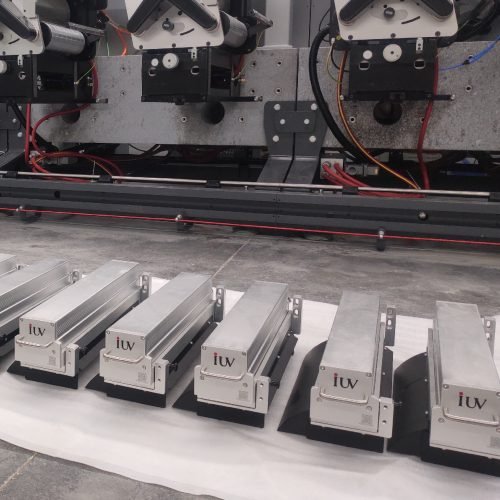
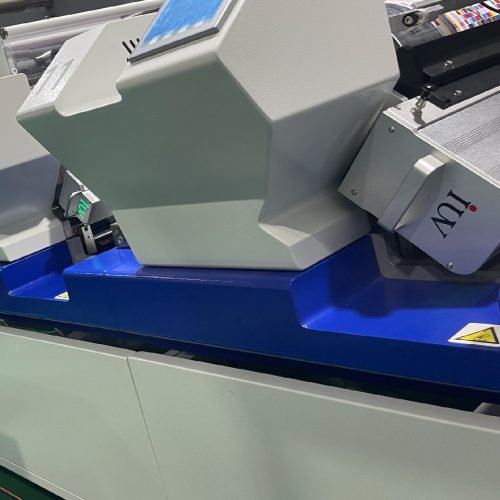
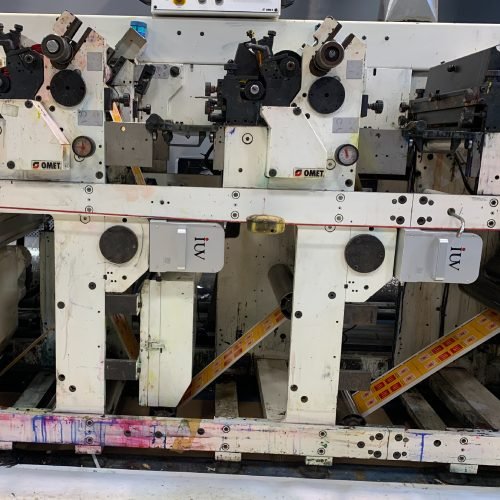
Press manufacturers are increasingly integrating LED curing units as standard or optional features in their narrow web presses. This integration is seamless, often featuring modular designs that can be retrofitted onto existing presses. Proper ventilation and safety protocols remain important, but the overall operational safety and environmental profile are significantly enhanced.
The Future is Bright and Green
As the label manufacturing industry continues its journey towards greater sustainability, LED curing systems are emerging as a critical component. They offer a compelling combination of performance, efficiency, and environmental responsibility. For printers looking to reduce their operational costs, improve their environmental credentials, and enhance their print capabilities, embracing LED curing is not just a smart business decision – it’s a commitment to a brighter, greener future for label production. The shift to LED technology is a clear indicator of the industry’s dedication to innovation and sustainable practices.