The Science Behind LED UV Curing Systems: From Inks to Adhesives
The printing world is constantly evolving. New technologies emerge to boost efficiency and enhance quality. LED UV curing systems represent a significant leap forward. They offer a powerful way to instantly dry inks and adhesives. This article explores the science behind this transformative technology. We will look at its applications in various printing methods.
Understanding UV Curing: The Basics
Traditional drying methods often involve heat or evaporation. UV curing, however, uses ultraviolet light. This light initiates a rapid chemical reaction. Photoinitiators within the ink or adhesive absorb UV energy. This absorption triggers polymerization. It’s a process where small molecules link together. They form long, solid chains. This creates a durable, cured film almost instantly.
Why LED UV Curing? The Advantages
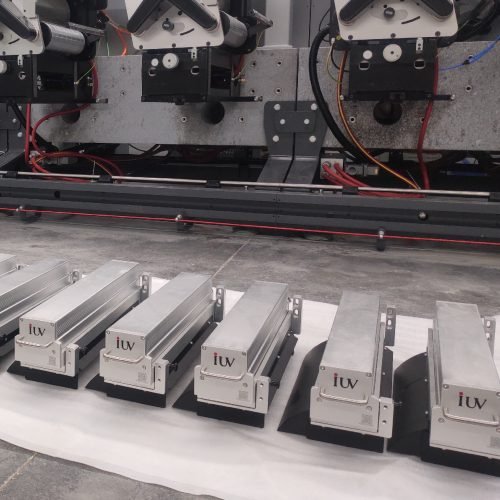
LED UV curing offers distinct advantages over older mercury lamp systems. LEDs are highly energy-efficient. They consume less power. This translates to lower operational costs. LEDs also have a much longer lifespan. This reduces maintenance and replacement expenses. Furthermore, LEDs emit a specific, narrow wavelength of UV light. This precise control leads to more consistent curing. It minimizes heat generation, which is crucial for heat-sensitive substrates.
LED UV Curing in Label Printing
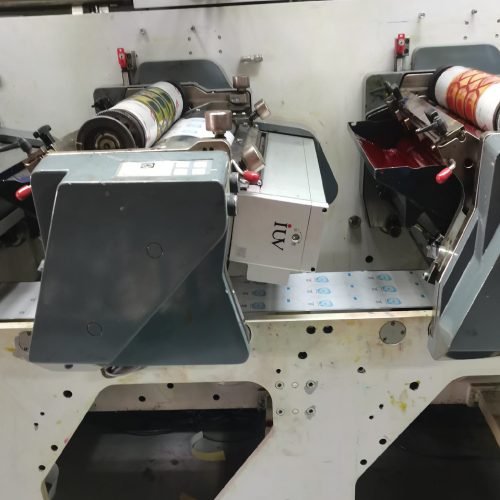
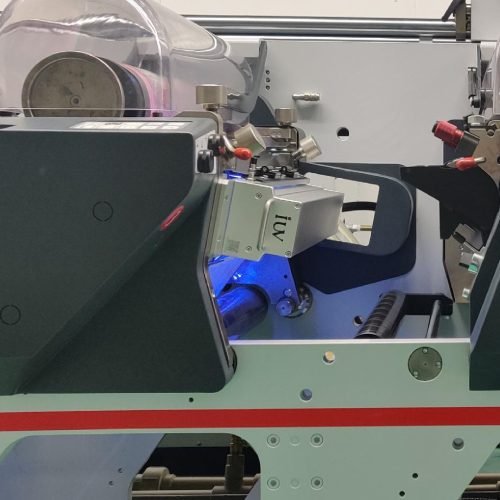
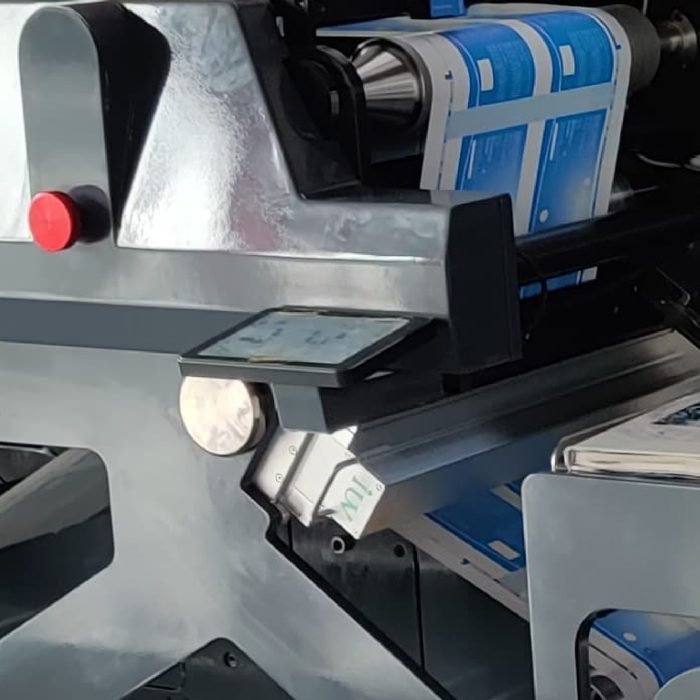
Label printing is a prime area where LED UV curing excels. Narrow web printing, common for labels, requires fast turnaround times. LED UV systems allow for instant drying of inks on various label materials. This includes papers, films, and foils. The process prevents ink smudging. It ensures sharp, vibrant graphics. This is vital for brand recognition and product appeal. The rapid curing also means labels can be immediately finished. This could include die-cutting or slitting.
Flexographic Printing and LED UV
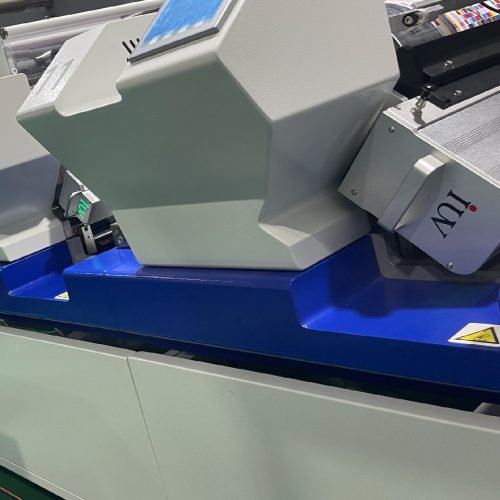
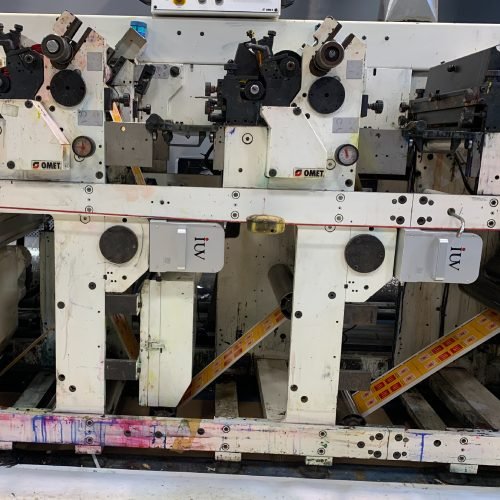
Flexographic printing, or flexo, is another key application. It’s widely used for packaging and labels. LED UV curing integrates seamlessly into flexo presses. The instant curing allows for faster press speeds. It also enables printing on a wider range of substrates. This includes non-absorbent materials like plastics. The reduced heat from LEDs prevents distortion of thin films. This ensures dimensional stability throughout the printing process. Vibrant colors are achieved with excellent adhesion.
Offset Printing (Sheetfed and Web) with LED UV
While traditionally associated with heatset or air drying, offset printing is also benefiting from LED UV. Sheetfed offset presses can be retrofitted with LED UV units. This allows for immediate handling of printed sheets. There’s no waiting for ink to dry. This dramatically speeds up post-press operations. For web offset, LED UV offers similar benefits, particularly for high-volume commercial printing. The ability to cure on diverse materials expands the application range for offset.
The Chemistry: Inks and Adhesives
The effectiveness of LED UV curing hinges on the formulation of inks and adhesives. These formulations contain monomers, oligomers, and photoinitiators. Monomers are small molecules. Oligomers are short chains of monomers. Together, they form the bulk of the cured material. Photoinitiators are the key players in the curing process. They are sensitive to specific UV wavelengths. When exposed to LED UV light of the correct wavelength, they generate free radicals. These radicals then initiate the polymerization of monomers and oligomers.
Substrate Considerations and Curing
The type of substrate plays a significant role. Absorbent substrates allow some ink penetration. Non-absorbent substrates require the ink to cure on the surface. LED UV curing is particularly effective on non-absorbent materials. This is because the curing happens on the surface, creating a strong bond. The low heat output from LEDs is also a major advantage. It prevents damage or deformation of sensitive plastics and thin papers. This broadens the possibilities for what can be printed.
Optimizing LED UV Curing Parameters
Achieving optimal results with LED UV curing involves understanding key parameters. These include UV intensity, exposure time, and wavelength. LED UV systems allow for precise control over these factors. UV intensity refers to the power of the light output. Exposure time is how long the substrate is exposed to the light. The wavelength must match the absorption spectrum of the photoinitiators. By tuning these parameters, printers can ensure complete and efficient curing. This leads to superior print quality and durability.
Environmental and Safety Aspects
LED UV curing offers environmental benefits. It’s a low-VOC (volatile organic compound) technology. This means fewer harmful emissions compared to solvent-based inks. The energy efficiency also contributes to a smaller carbon footprint. Safety is also enhanced. The controlled emission of UV light and the absence of ozone generation (common with mercury lamps) create a safer working environment. Proper protective eyewear is still recommended, however.
The Future of LED UV Curing in Printing
The integration of LED UV curing systems is set to grow. As the technology matures, it becomes more accessible and cost-effective. Innovations in ink and adhesive formulations will continue to expand its applications. We can expect to see even greater efficiency and performance. This technology is not just a trend; it’s a fundamental shift. It’s reshaping how we think about printing, from the smallest label to the largest packaging. The science behind it promises a brighter, faster, and more sustainable printing future.