LED UV Curing Systems in Flexographic Printing: Precision Meets Performance
The flexographic printing industry is constantly seeking advancements. Efficiency, quality, and sustainability are paramount. LED UV curing systems have emerged as a game-changer in this quest. They offer unparalleled precision and performance for a wide range of printing applications, especially in narrow-web and label printing. Understanding how these systems integrate with flexo processes is key to unlocking their full potential.
The Evolution of UV Curing in Flexography
Traditional UV curing methods, often using mercury lamps, have served the industry for decades. However, these systems presented challenges. They consumed significant energy, generated substantial heat, and had a limited lamp lifespan. The switch to LED UV technology addresses these issues directly. It represents a significant leap forward in how we achieve durable, high-quality prints.
Why LED UV for Flexographic Printing?
LED UV curing offers distinct advantages for flexographic printers. The technology utilizes light-emitting diodes to produce UV light at specific wavelengths. This precise delivery of energy leads to faster, more efficient ink curing. This is particularly beneficial for the high-speed demands of narrow-web flexo presses.
Enhanced Print Quality and Durability
One of the primary benefits of LED UV curing is its ability to deliver exceptional print quality. The precise wavelength output ensures thorough and consistent curing of UV-curable inks and coatings. This translates to sharper details, vibrant colors, and a superior finish. Furthermore, the cured ink layer exhibits excellent scratch resistance and chemical resistance. This durability is crucial for labels and packaging that undergo rigorous handling and exposure.
Improved Energy Efficiency
Compared to traditional mercury lamps, LED UV systems are remarkably energy-efficient. They consume substantially less power, leading to reduced operational costs. This energy saving is not just an economic advantage; it also contributes to a more sustainable printing process. Lower energy consumption means a smaller carbon footprint, aligning with increasing environmental consciousness in the printing sector.
Reduced Heat Generation
A significant advantage of LED UV curing is its minimal heat emission. Traditional UV lamps can generate considerable heat, which can negatively impact sensitive substrates like thin films or heat-shrinkable materials. LED technology, on the other hand, emits very little heat. This allows printers to work with a broader range of materials without the risk of distortion or damage. This opens up new possibilities for substrate choice and application.
Extended Lamp Lifespan and Instant On/Off
LED UV lamps boast a much longer operational lifespan compared to mercury lamps. This longevity reduces the frequency of lamp replacements, saving on maintenance costs and minimizing downtime. Another practical benefit is the instant on/off capability of LEDs. Unlike mercury lamps that require a warm-up period, LEDs are ready to cure immediately. This feature further enhances operational efficiency and reduces energy waste during job setup or material changes.
Integrating LED UV Systems into Flexo Presses
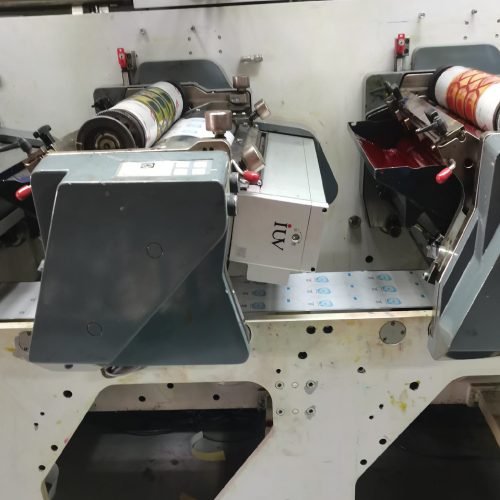
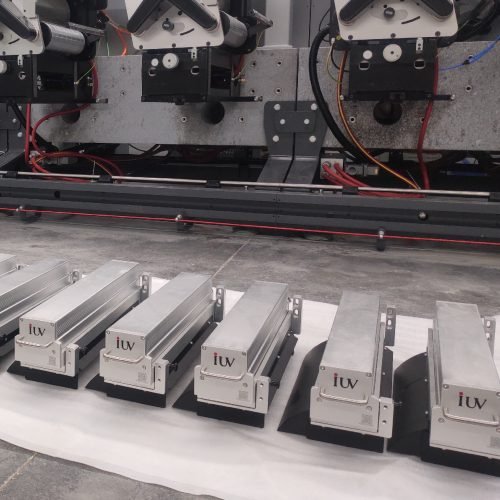
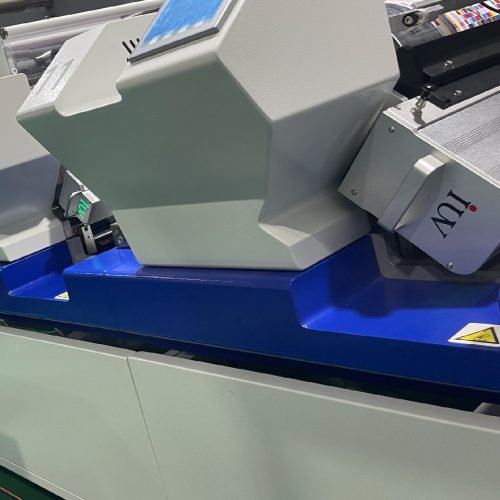
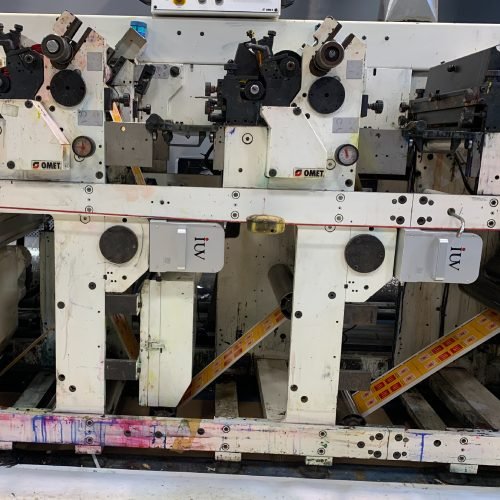
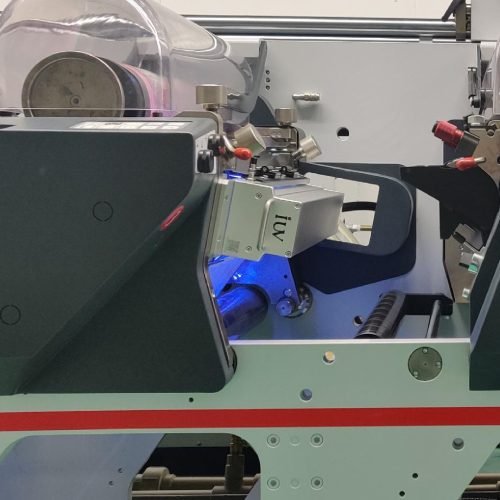
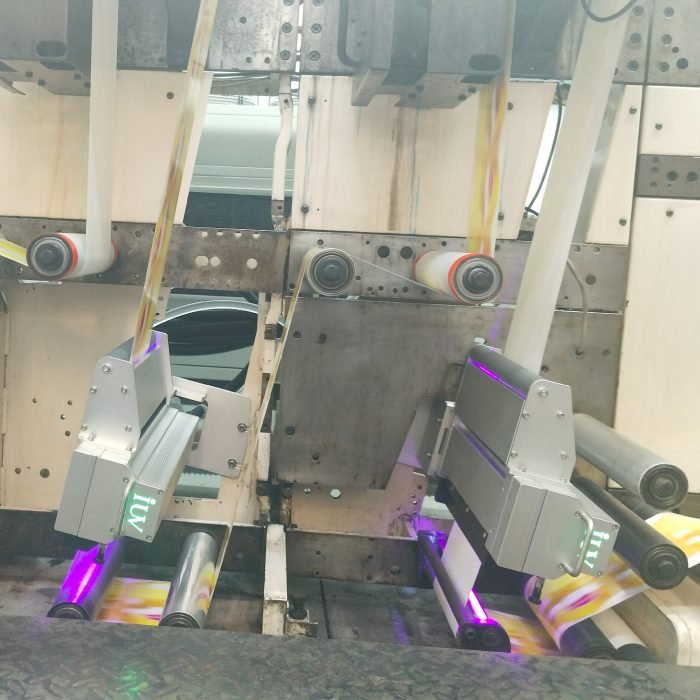
Integrating LED UV curing systems into existing or new flexographic presses requires careful consideration. The placement of the UV units is critical to ensure optimal ink curing at press speeds. For narrow-web flexo, these systems are often integrated between print stations or at the end of the press line.
Narrow-Web and Label Printing Applications
The label printing sector has been a primary adopter of LED UV technology. The demands for high-quality, durable labels with intricate designs are perfectly met by LED UV curing. Whether it’s for food and beverage labels, pharmaceuticals, or industrial applications, the precision and performance of LED UV ensure that the final product stands out and performs reliably. Narrow-web presses benefit immensely from the compact nature of LED UV systems, which can be easily accommodated in tight spaces.
Beyond Labels: Other Flexo Uses
While label printing is a major area, LED UV curing is also finding its way into other flexographic applications. Flexible packaging, for instance, benefits from the durable and food-safe cured inks that LED UV provides. The ability to print on a wider array of substrates, including non-porous materials, is a significant advantage. This versatility allows flexo printers to explore new markets and expand their service offerings.
Considerations for Choosing LED UV Curing
When specifying LED UV curing systems for flexographic printing, several factors come into play. The wavelength of the LEDs must be matched to the specific UV-curable inks and coatings being used. Different ink formulations require different UV spectrums for optimal curing.
Wavelength and Power Output
The power density, measured in W/cm², is another crucial parameter. It dictates the speed at which the ink can be fully cured. Higher power density generally allows for faster printing speeds. Understanding the curing requirements of your inks is essential for selecting a system with adequate power.
Cooling and Ventilation
While LED UV systems generate less heat than traditional UV, proper cooling and ventilation are still important. This ensures the longevity of the LEDs and the stability of the printing process. Many systems incorporate integrated cooling solutions.
Substrate Compatibility
As mentioned earlier, the low heat output of LED UV makes it ideal for a wide range of substrates. However, it’s always wise to conduct trials to confirm compatibility and curing performance with specific materials.
The Future of Flexo Printing with LED UV
The trend towards digital workflows, sustainability, and high-performance printing continues to drive innovation in the flexographic industry. LED UV curing systems are at the forefront of this evolution. Their precision, efficiency, and performance benefits make them an indispensable technology for modern flexo printers. As ink manufacturers continue to develop advanced UV-curable formulations, the capabilities of LED UV curing will only expand, offering even greater opportunities for printers to achieve superior results. Embracing this technology is not just about staying current; it’s about investing in the future of high-quality, sustainable flexographic printing.