Why LED UV Curing is Now a Must-Have for Offset Printing Presses
Offset printing has long been a cornerstone of the print industry. It offers exceptional quality for a wide range of applications. However, traditional offset printing often faces limitations with drying times and ink versatility. This is where the revolutionary technology of LED UV curing steps in, transforming the landscape for offset presses. For businesses focused on labels, flexible packaging, and commercial print, adopting LED UV curing is no longer a luxury; it’s a strategic necessity.
The Evolution of Offset Printing and Drying Challenges
Historically, offset presses relied on heat-set or air-drying inks. Heat-set inks require significant energy to evaporate solvents, leading to long cooling tunnels and higher operational costs. Air-drying inks, while simpler, often limit ink choices and can slow down production speed due to slower drying. These methods present distinct challenges:
- Extended Production Cycles: Waiting for inks to dry can create bottlenecks. This delays job completion and reduces overall press output.
- Limited Substrate Options: Heat and air drying can damage or warp heat-sensitive materials like thin plastics or certain papers.
- Ink Limitations: The range of available colors and finishes with traditional drying methods can be restricted. Specialty inks often require specific drying technologies.
- Environmental Concerns: Traditional solvent-based inks and high energy consumption contribute to VOC emissions and a larger carbon footprint.
Enter LED UV Curing: A Game Changer
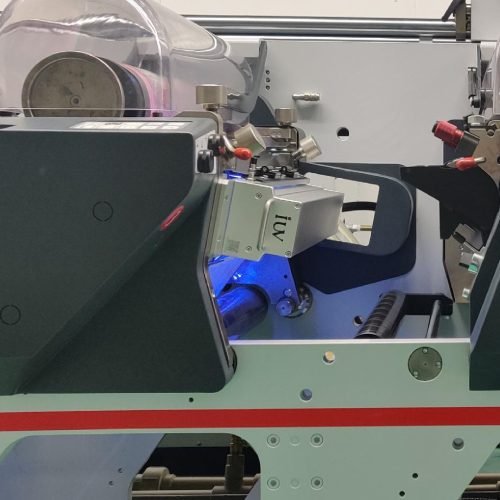
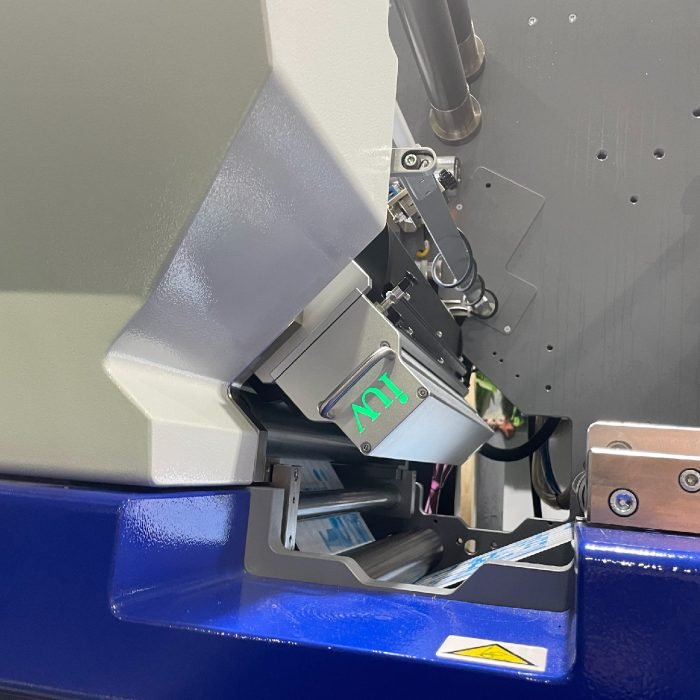
LED UV curing utilizes high-intensity ultraviolet light emitted from Light Emitting Diodes (LEDs). This light activates photoinitiators within specially formulated UV-curable inks, instantly transforming them from a liquid to a solid, durable film. Unlike traditional UV systems, LED UV offers a more focused and efficient wavelength of light. This brings a host of advantages to offset printing.
Key Benefits of LED UV Curing for Offset Presses
The integration of LED UV curing technology into offset printing presses unlocks a new era of efficiency, quality, and versatility.
Instant Drying for Unprecedented Speed
One of the most significant benefits is the immediate curing of inks. As the substrate passes under the LED UV lamps, the ink solidifies instantly. This means:
- Accelerated Production: Presses can run at maximum speeds without worrying about ink smudging or offsetting. Jobs finish faster, improving turnaround times and customer satisfaction.
- Reduced Handling Time: Printed sheets are immediately ready for the next process, whether it’s finishing, cutting, or packing. This eliminates the need for long drying racks or cooling systems.
Wider Substrate Compatibility
The low heat output of LED UV lamps is a major advantage. Traditional UV lamps generate significant heat, which can be detrimental to certain materials. LED UV systems operate at much cooler temperatures, enabling printers to work with a broader spectrum of substrates:
- Heat-Sensitive Materials: Print on thinner plastics, delicate papers, foils, and even some fabrics without fear of damage or deformation. This opens up new product possibilities.
- Versatile Applications: From high-end packaging to promotional materials and labels, the ability to print on diverse substrates expands a printer’s service offering.
Enhanced Ink Performance and Durability
UV-curable inks offer superior performance characteristics compared to conventional inks. LED UV curing ensures these properties are fully realized:
- Scratch and Chemical Resistance: Cured UV inks create a hard, resilient surface resistant to scuffs, scratches, and common chemicals. This is vital for labels and packaging that endure handling and exposure.
- Vibrant Colors and Special Effects: UV inks allow for brighter, more opaque colors. They also facilitate the use of special effects like spot varnishes, raised textures, and metallic finishes, all achievable in-line with printing.
- Odorless and Food-Safe Options: Many UV-curable inks are formulated to be low-odor and migratable, making them suitable for food packaging applications when compliance is met.
Environmental and Cost Efficiencies
LED UV curing presents compelling environmental and economic advantages:
- Reduced Energy Consumption: LEDs are highly energy-efficient, consuming significantly less power than traditional mercury vapor UV lamps or heat-set drying systems.
- No VOC Emissions: UV-curable inks are 100% solid, meaning they contain no volatile organic compounds (VOCs). This leads to a cleaner working environment and reduced environmental impact.
- Lower Operational Costs: Reduced energy use, elimination of solvent purchases, and faster production speeds all contribute to lower overall operating expenses.
LED UV in Specific Printing Sectors
Label Printing
The label market demands high quality, speed, and versatility. LED UV curing is a perfect fit for narrow web label presses.
- Inline Finishing: Printers can apply varnishes, matte finishes, or special effects in the same pass as printing. This streamlines production and reduces the need for separate finishing equipment.
- Short-Run Efficiency: The instant drying allows for quick job changes and efficient production of short runs, a growing trend in the label industry.
- Durability for Harsh Environments: Labels for industrial products, beverages, or outdoor use benefit immensely from the scratch and chemical resistance of UV-cured inks.
Flexible Packaging and Commercial Print
For flexible packaging and high-volume commercial print applications, LED UV offers distinct advantages:
- Barrier Properties: Certain UV coatings can enhance the barrier properties of packaging materials, protecting contents from moisture and oxygen.
- High-Quality Graphics: The ability to achieve vibrant colors and sharp detail on a wide range of films and papers makes LED UV ideal for eye-catching packaging and marketing collateral.
- Print-on-Demand Capabilities: Faster turnaround times and substrate flexibility support the growing demand for personalized and on-demand print products.
Flexographic Printing
While often associated with offset, LED UV curing has also revolutionized flexographic printing, particularly in narrow web applications for labels and flexible packaging. The principles remain the same: faster speeds, better ink adhesion, and broader substrate options.
Making the Transition
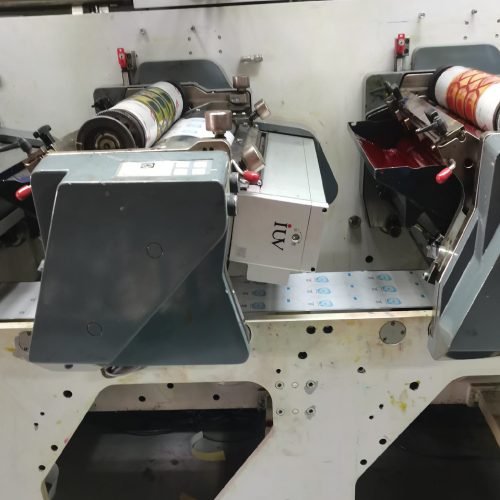
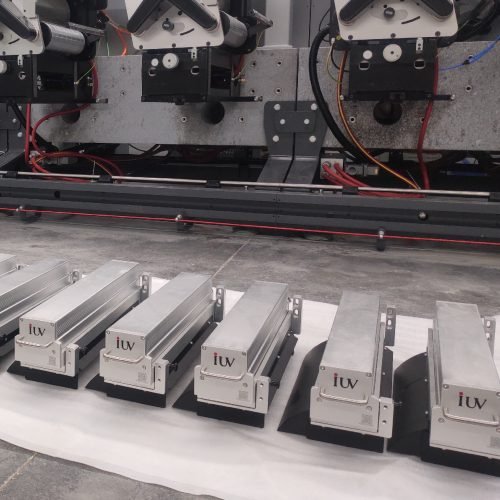
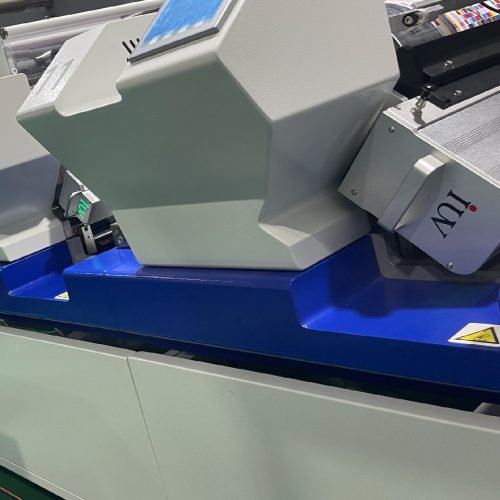
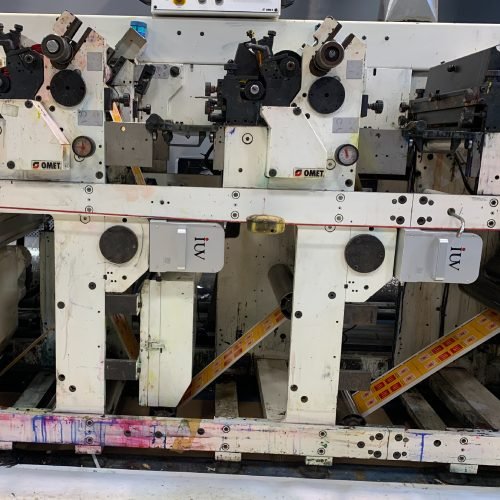
Adopting LED UV curing involves choosing the right equipment and understanding the nuances of UV-curable inks and coatings. Many modern offset presses are now manufactured with integrated LED UV curing stations. Retrofitting older presses is also a viable option, allowing businesses to upgrade their existing infrastructure without a complete overhaul. Consulting with equipment manufacturers and ink suppliers is key to a successful integration.
Conclusion
LED UV curing technology has profoundly impacted offset printing. It addresses the historical limitations of drying speed, substrate compatibility, and ink performance. For printers aiming to stay competitive, enhance their product offerings, and operate more efficiently and sustainably, the transition to LED UV curing for their offset presses is no longer an option, but an essential evolution. The benefits in speed, quality, versatility, and cost savings make it an indispensable technology for the modern print environment.