Alright, let’s dive into the world of compact LED UV curing for label printing. This is a fantastic area where efficiency and quality really shine, especially for smaller and medium-sized operations. As your friendly neighborhood print engineer and SEO wordsmith, I’m happy to craft an article that’s both informative and optimized.
Here we go:
The label printing industry is constantly evolving. Businesses, from small startups to established medium-sized companies, demand high-quality output with fast turnaround times. Achieving this often hinges on the efficiency and effectiveness of their printing equipment. For narrow web presses, in particular, the curing process plays a pivotal role in delivering vibrant, durable labels. This is where compact LED UV curing systems enter the picture, offering a compelling solution for businesses looking to upgrade their capabilities without a massive overhaul.
Understanding UV Curing in Label Printing
Before we delve into LED technology, it’s helpful to briefly touch upon traditional UV curing. This process uses ultraviolet light to instantly dry or “cure” inks, coatings, and adhesives. When exposed to UV radiation, photoinitiators within the ink formulation absorb the light energy. This triggers a rapid chemical reaction, transforming the liquid ink into a solid, durable film. Traditional UV curing typically employs mercury vapor lamps. While effective, these lamps have drawbacks, including significant heat generation, a shorter lifespan, and the need for specialized disposal.
The Rise of LED UV Curing
LED UV curing represents a significant advancement. Instead of mercury vapor lamps, it utilizes Light Emitting Diodes (LEDs) to generate UV light. This shift brings a host of advantages that are particularly beneficial for compact setups and businesses focused on narrow web applications.
- Energy Efficiency: LEDs are remarkably energy-efficient. They consume considerably less power than traditional mercury lamps. This translates directly into lower operating costs for printing businesses. For operations running on tighter budgets or looking to optimize their energy consumption, this is a major selling point.
- Lower Heat Emission: One of the most appreciated benefits of LED UV curing is its minimal heat output. Traditional UV systems can generate substantial heat, which can warp heat-sensitive substrates like thin films or certain papers. This heat can also affect the printing environment, requiring more robust ventilation. LED systems, by contrast, emit very little heat. This allows for the printing of a wider range of materials, including delicate plastics and thinner stocks, without compromising their integrity.
- Instant On/Off: LEDs can be switched on and off instantaneously. This is in stark contrast to mercury lamps, which require a warm-up period before reaching full intensity and a cool-down period afterward. This instant capability means no wasted energy waiting for lamps to reach operating temperature, and it also allows for greater control during the printing process. It can be especially useful in applications where precise curing at specific points is necessary.
- Longer Lifespan: LED arrays boast a significantly longer operational lifespan compared to mercury lamps. While mercury lamps might last for a few thousand hours, LEDs can endure tens of thousands of hours of use. This extended lifespan reduces the frequency of lamp replacements, cutting down on both material costs and downtime associated with maintenance.
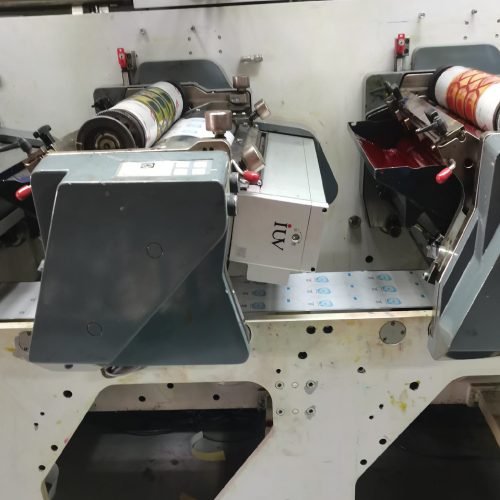
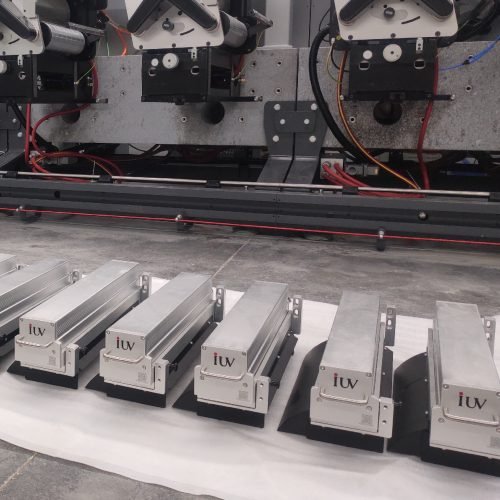
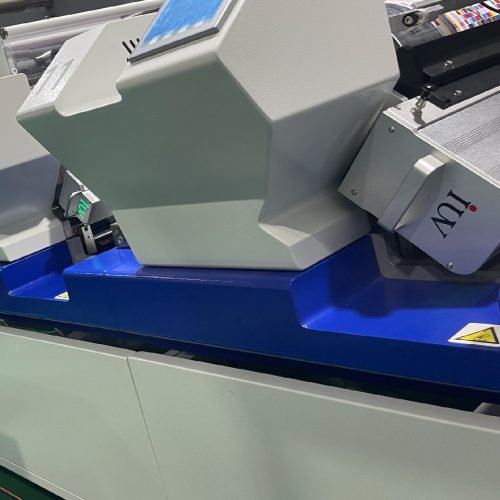
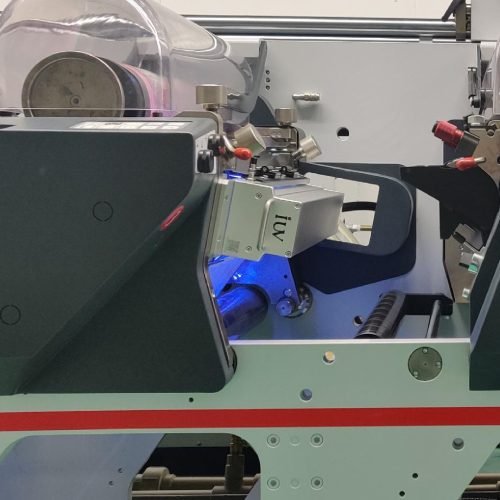
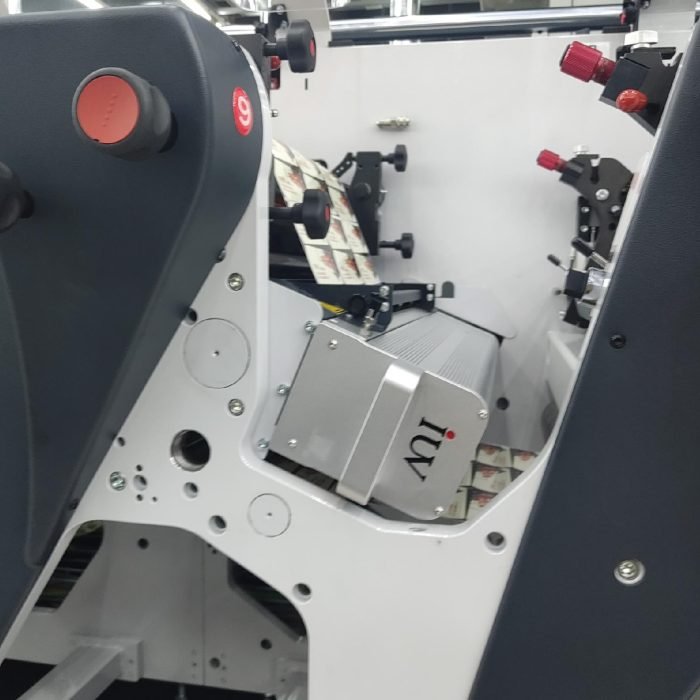
- Compact Form Factor: The “compact” in compact LED UV curing systems is a key advantage for narrow web presses. The physical footprint of LED curing units is generally much smaller than that of traditional UV systems. This makes them ideal for retrofitting onto existing presses or for integration into new, space-constrained printing lines. For small and medium label printers, maximizing floor space is often a critical consideration.
Applications in Label Printing
Compact LED UV curing systems are particularly well-suited for various label printing applications:
- Flexographic Printing: Flexography is a dominant force in narrow web label printing. Compact LED UV systems integrate seamlessly into flexo presses, allowing for the rapid curing of UV inks and coatings. This enables faster print speeds and the ability to achieve high-quality finishes on a wide array of label materials, including films, foils, and papers. The ability to cure quickly ensures sharp dots, vibrant colors, and excellent ink adhesion, crucial for brand differentiation.
- Offset (Lithographic) Printing: While flexography is prevalent, offset printing also finds its place in label production, especially for shorter to medium runs where high detail is paramount. Compact LED UV units can be incorporated into offset presses to cure inks and overprint varnishes. This ensures that the printed labels are dry to the touch immediately, allowing for faster handling and finishing processes.
- Specialty Finishes: The enhanced control and minimal heat of LED UV curing open doors to innovative label finishes. This includes applying spot varnishes, textured coatings, and even special effect inks that would be challenging or impossible with conventional drying methods. The precise curing capabilities of LEDs ensure that these effects are applied cleanly and remain intact.
Choosing the Right Compact LED UV System
When evaluating compact LED UV curing systems for your small or medium label press, several factors warrant consideration:
- Wavelength: UV light exists across different wavelengths. For most standard UV inks and coatings used in label printing, wavelengths around 365 nm or 395 nm are common. It’s important to ensure the LED system’s wavelength output is compatible with your chosen ink and coating formulations. Checking with your ink supplier is a wise step.
- Irradiance: This refers to the intensity of the UV light output, typically measured in milliwatts per square centimeter (mW/cm²). Higher irradiance generally leads to faster curing. For narrow web presses, achieving sufficient irradiance at high speeds is critical. The system’s specifications should be reviewed against your desired print speeds and ink curing requirements.
- Cooling: While LEDs produce less heat than mercury lamps, they still generate some. Effective cooling mechanisms, whether air or water, are essential to maintain optimal LED performance and longevity. Ensure the system has a robust cooling solution appropriate for your operational environment.
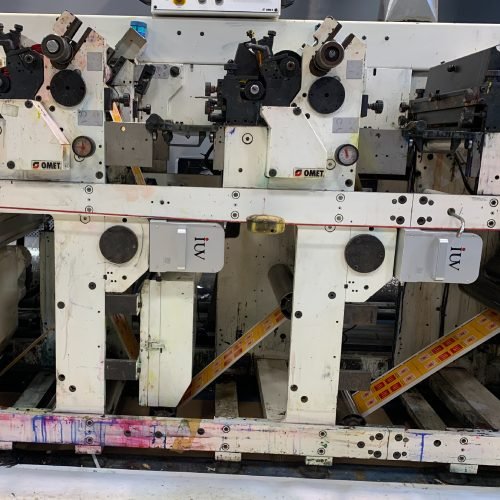
- Integration and Retrofitting: Consider how easily the LED UV system can be integrated into your existing press. Many manufacturers offer compact units designed for straightforward retrofitting onto popular narrow web flexo and offset presses. Assess the physical space required, mounting options, and electrical connections.
- Service and Support: As with any industrial equipment, reliable service and technical support are vital. Inquire about the manufacturer’s warranty, availability of spare parts, and their technical assistance network.
The Benefits for Small and Medium Enterprises (SMEs)
The adoption of compact LED UV curing systems offers tangible benefits for small and medium label printers:
- Increased Productivity: Faster curing times translate directly into higher print speeds and reduced bottlenecks in the finishing process. This means more labels produced in the same amount of time, boosting overall output.
- Enhanced Product Quality: The precise curing capabilities of LEDs lead to sharper details, better ink adhesion, improved scratch and chemical resistance, and more vibrant colors. This elevates the perceived quality of the printed labels, giving businesses a competitive edge.
- Broader Application Range: The ability to print on a wider variety of substrates, including heat-sensitive materials, allows SMEs to diversify their product offerings and cater to a broader client base.
- Reduced Operating Costs: Lower energy consumption and longer lamp life contribute to significant savings on utilities and maintenance expenses over the system’s lifetime.
- Environmental Advantages: The energy efficiency of LEDs and the elimination of mercury from the curing process align with growing environmental consciousness and regulatory trends.
Conclusion
Compact LED UV curing systems are a powerful and increasingly accessible technology for the narrow web label printing sector. For small and medium-sized businesses, they represent a smart investment that can drive productivity, improve print quality, expand application capabilities, and reduce operational costs. By understanding the technology and carefully selecting a system that aligns with their specific needs, label printers can leverage this innovation to stay competitive and thrive in today’s demanding market.