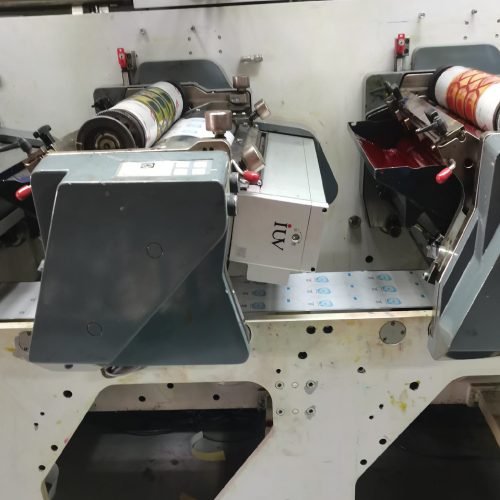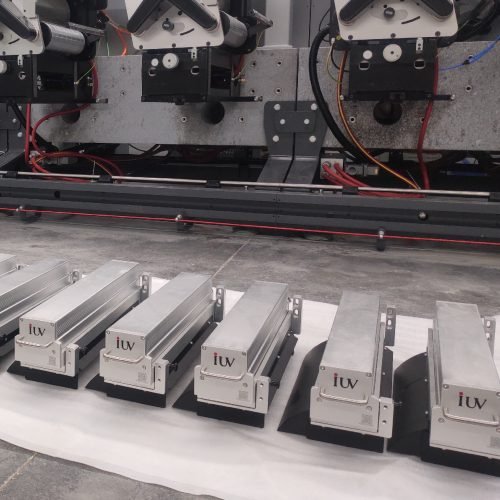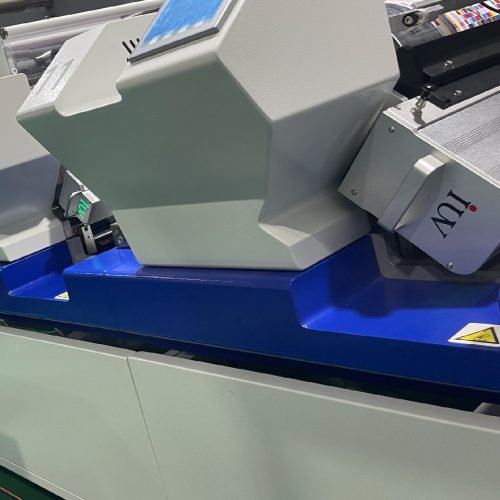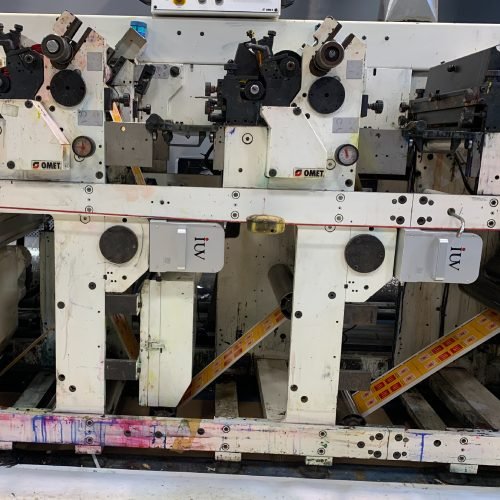
The printing industry is constantly seeking ways to enhance efficiency and profitability. In narrow web printing, flexography, and offset printing, the adoption of advanced technologies plays a pivotal role. LED UV curing systems are emerging as a transformative solution, offering significant advantages in both simplifying maintenance routines and drastically reducing operational expenses. This technology move away from traditional mercury lamp systems is not just an upgrade; it’s a strategic shift towards more sustainable and cost-effective printing.
Understanding the Core Technology: What is LED UV Curing?
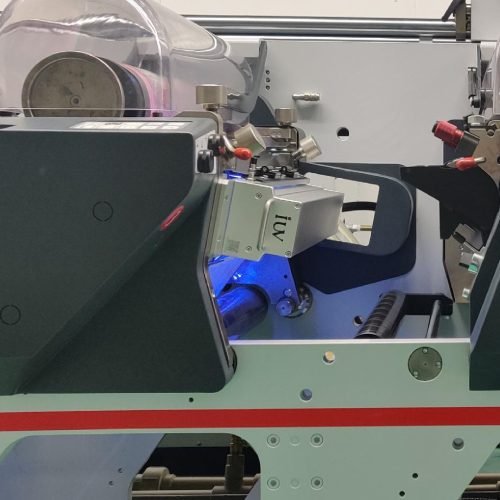
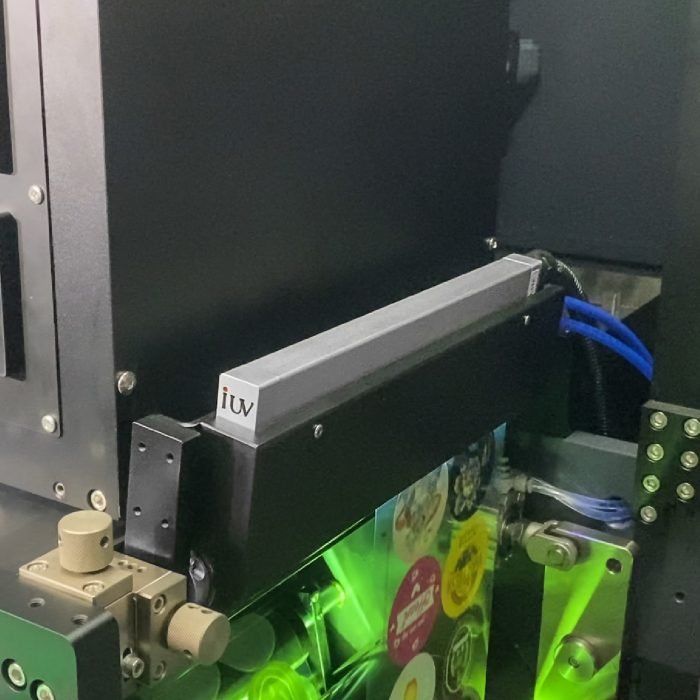
Unlike conventional UV curing systems that rely on mercury lamps, LED UV curing utilizes light-emitting diodes (LEDs) to generate ultraviolet light. These diodes emit a specific wavelength of UV light, precisely tuned to activate the photoinitiators within UV-curable inks, coatings, and adhesives. This targeted approach ensures rapid and complete curing, leading to high-quality printed products. The fundamental difference lies in the energy source and its efficiency, which directly impacts maintenance and operational costs.
Simplified Maintenance: A Key Advantage of LED UV
One of the most compelling benefits of transitioning to LED UV curing systems is the dramatic simplification of maintenance procedures. Traditional mercury lamp systems require frequent attention.
Lamp Replacement: Mercury lamps have a finite lifespan, typically measured in hundreds or a few thousand hours. They degrade over time, leading to a drop in UV output and inconsistent curing. Replacing these lamps is a recurring expense and involves downtime. It’s a process that can be time-consuming and requires careful handling due to the lamp’s components.
Cooling Systems: Mercury lamps generate substantial heat. To prevent overheating and damage to the printing press and consumables, robust cooling systems are essential. These systems, often involving water circulation or powerful fans, require regular checks, cleaning, and maintenance. Leaks, pump failures, or clogged filters can lead to costly interruptions.
Ballasts and Power Supplies: The operation of mercury lamps is managed by ballasts. These components can fail and require replacement. Troubleshooting and diagnosing issues with these electrical systems can be complex and necessitate specialized technicians.
In contrast, LED UV systems offer a markedly different maintenance profile.
Extended Lifespan: LEDs boast an exceptionally long operational lifespan, often exceeding 20,000 to 50,000 hours. This means that, for many printing operations, the LEDs may last for several years without the need for replacement. This significantly reduces the frequency of downtime associated with lamp changes and the associated labor costs.
No Lamp Degradation: Unlike mercury lamps, LEDs do not experience significant degradation in UV output over their lifespan. They maintain consistent performance, ensuring reliable curing from day one until the end of their operational life. This consistency eliminates the need for constant monitoring and adjustment of UV power due to lamp aging.
Reduced Heat Generation: LEDs are far more energy-efficient, converting a higher percentage of electricity into UV light and generating significantly less heat. This reduction in heat load simplifies the cooling requirements. Many LED systems can operate effectively with passive air cooling or minimal fan assistance, reducing the complexity and maintenance needs of traditional water-cooling or high-volume air-cooling systems.
Solid-State Reliability: LEDs are solid-state devices, making them inherently more robust and less prone to mechanical failure compared to fragile mercury lamps. They are also less susceptible to vibration and shock, common in a busy printing environment. This inherent reliability translates to fewer unexpected breakdowns and less time spent troubleshooting.
Reducing Operating Costs: A Multi-faceted Benefit
The operational cost savings associated with LED UV curing extend beyond simplified maintenance. Several factors contribute to a more economical printing process.
Energy Efficiency: This is perhaps the most significant contributor to reduced operating costs. LEDs consume considerably less electricity than mercury lamps to achieve the same level of UV output. This is because LEDs emit light directly at the required wavelength, whereas mercury lamps produce a broad spectrum of light, much of which is wasted as heat. This substantial energy saving translates directly into lower electricity bills, especially for operations running multiple presses or running them for extended periods. For narrow web presses that might be running continuously, this saving can be substantial.
Reduced Waste and Rework: The consistent and precise UV output from LED systems ensures reliable curing. This minimizes the risk of under-curing or over-curing, which can lead to print defects, wasted substrate, and costly rework. In flexographic and offset printing, where ink transfer and drying are critical, this reliability is paramount for maintaining product quality and reducing waste. Furthermore, UV-curable inks and coatings themselves are often formulated with lower volatile organic compounds (VOCs) compared to traditional solvent-based alternatives, contributing to a healthier working environment and potentially lower disposal costs.
Faster Production Speeds: LED UV curing enables extremely fast curing times. This allows printers to achieve higher production speeds without compromising on print quality. In narrow web printing, where speed is often a key differentiator, this can lead to increased throughput and the ability to take on more jobs, directly boosting revenue. Faster curing also means less waiting time between processes, such as coating or finishing, further streamlining the production workflow.
Reduced Environmental Impact: The lower energy consumption of LEDs means a smaller carbon footprint. Combined with the reduced reliance on mercury, a hazardous substance, LED UV curing aligns with growing environmental regulations and corporate sustainability initiatives. This can also be a marketing advantage, allowing businesses to showcase their commitment to eco-friendly practices.
Minimal Heat Transfer to Substrate: The precise wavelength and focused energy of LED UV light generate less heat that transfers into the substrate itself. This is particularly beneficial when printing on heat-sensitive materials commonly used in narrow web applications, such as thin films, certain plastics, or delicate papers. Reduced heat transfer minimizes the risk of material distortion or damage, thereby reducing waste and ensuring consistent print quality.
Applications in Narrow Web, Flexo, and Offset Printing
The benefits of LED UV curing are highly relevant across various printing sectors:
Narrow Web Printing: In this sector, space is often at a premium. The compact nature of LED UV curing systems, with their simplified cooling and lower heat output, makes them ideal for integration into existing or new narrow web presses. The ability to achieve fast cure speeds and high print quality on a wide range of substrates is crucial for labels, packaging, and specialty printing applications. The reduced maintenance also means less downtime on these high-volume production lines.
Flexographic Printing: Flexography, widely used for packaging and labels, benefits immensely from the consistent curing provided by LED UV. This consistency ensures excellent ink transfer and adhesion, critical for brand integrity. The faster drying times enable higher press speeds and allow for inline finishing processes like lamination and die-cutting without smudging or ink transfer issues. The simplified maintenance is also a major plus for busy flexo operations.
Offset Printing: While traditionally associated with mercury lamps, offset printing is increasingly adopting LED UV curing. This is particularly true for sheetfed offset printing where the ability to instantly cure inks and coatings allows for immediate handling, stacking, and post-press operations. This eliminates the need for interdeck drying units or the reliance on heatset inks, further reducing energy consumption and operational complexity. For commercial printers, this translates to faster turnaround times and greater flexibility.
The Future of UV Curing is Here
The shift to LED UV curing systems in narrow web, flexographic, and offset printing is more than just a technological upgrade; it’s a strategic move towards greater operational efficiency and economic sustainability. The significant simplification of maintenance requirements, coupled with substantial reductions in energy consumption, waste, and potential rework, makes LED UV an indispensable technology for printers looking to remain competitive. As the technology continues to evolve, its advantages will only become more pronounced, solidifying its position as the standard for modern UV curing in the printing industry. Embracing this innovation means embracing a future of cleaner, faster, and more cost-effective printing.