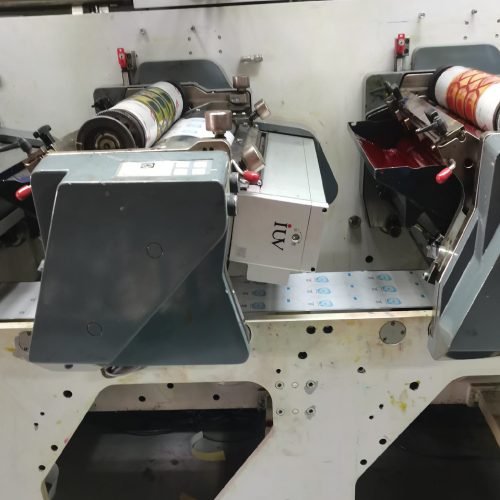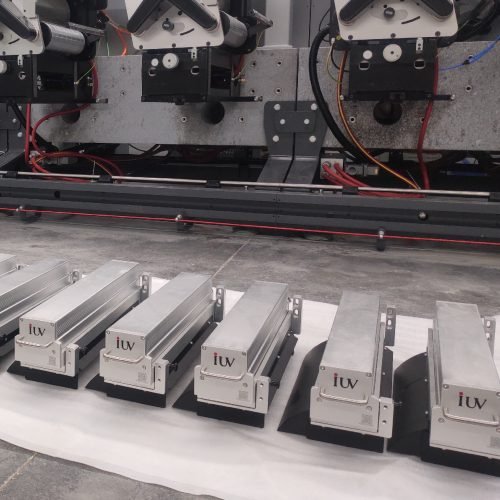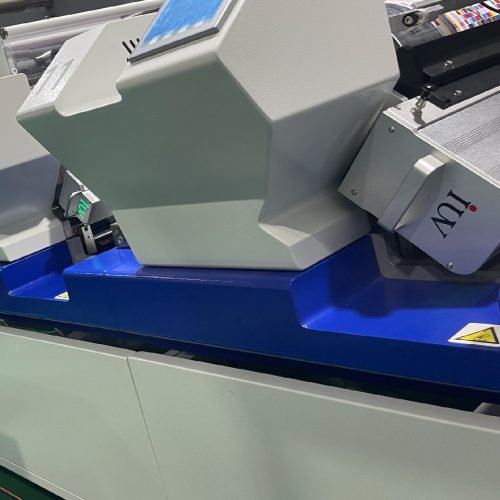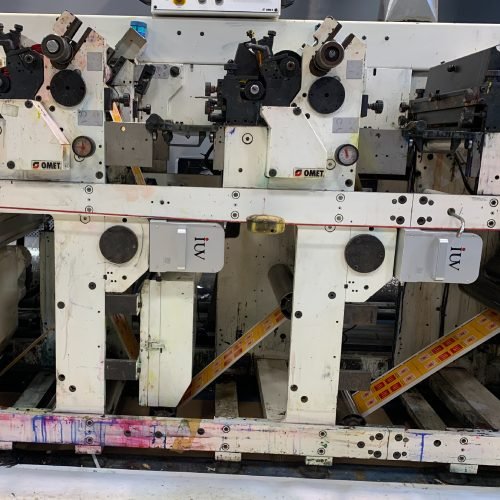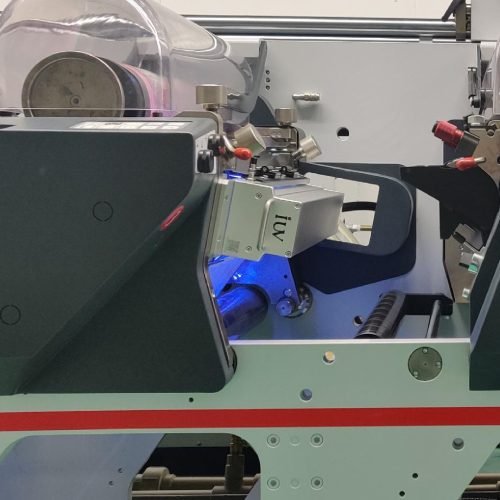
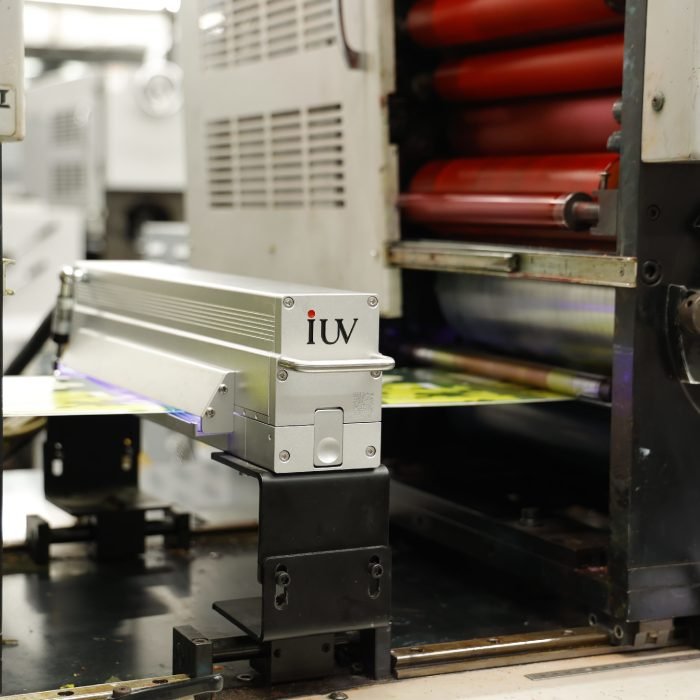
The printing industry is constantly evolving, driven by demands for faster turnaround times, higher quality, and greater versatility. For narrow-web printers, especially those operating in the label and flexible packaging sectors, hybrid printing presses are becoming a significant focus. These presses cleverly combine different printing technologies, such as digital and flexographic or offset, on a single platform. To truly unlock the potential of these hybrid systems, efficient and effective curing technology is paramount. This is where LED UV curing systems shine, offering a transformative upgrade to traditional methods and significantly enhancing overall workflow.
The Evolution of Curing in Hybrid Printing
Historically, UV curing in printing relied heavily on mercury vapor lamps. While effective, these lamps came with several drawbacks. They generated substantial heat, requiring significant energy consumption and often leading to substrate distortion, particularly with sensitive materials common in label printing. Furthermore, mercury lamps had a limited lifespan, demanded frequent replacement, and produced ozone as a byproduct, necessitating ventilation systems. The intermittent nature of their operation also meant a longer warm-up time, impacting immediate readiness.
The advent of LED UV curing technology represents a paradigm shift. Instead of a broad spectrum of UV light, LEDs emit specific wavelengths that are precisely matched to the photoinitiators in UV-curable inks and coatings. This targeted approach offers numerous advantages that directly benefit the workflow in digital-flexo hybrid printing environments.
Precision and Control: A Deeper Dive into LED UV Advantages
One of the most significant contributions of LED UV curing to hybrid workflows is its unparalleled precision and control. Because LEDs emit light in a narrow spectrum, they activate the photoinitiators with remarkable efficiency. This means less energy is wasted, and a more thorough cure is achieved, even at higher printing speeds.
Consistent Quality: The consistent output of LED lamps ensures a uniform cure across the entire printed surface, reducing the variability often seen with traditional mercury lamps. This consistency is crucial for maintaining brand standards and meeting customer expectations for high-quality labels and packaging.
Substrate Versatility: The lower heat output of LED systems is a game-changer. Unlike mercury lamps, LEDs generate minimal thermal energy, allowing printers to work with a much wider range of heat-sensitive substrates. This opens up new possibilities for printing on thinner films, delicate papers, and even some plastics without the risk of warping or damage, expanding the application scope for hybrid presses.
Instant On/Off Capability: LED UV systems are ready to operate the moment they are switched on. There is no lengthy warm-up period required. This instant readiness perfectly complements the agile nature of hybrid printing, where quick job changes and immediate start-up are essential for maximizing press uptime and efficiency. This eliminates delays and contributes directly to faster job turnaround.
Integrating LED UV into Hybrid Workflows: Specific Benefits
Hybrid presses integrate different printing methods to leverage the strengths of each. For instance, a digital unit might handle variable data or short runs, while a flexographic or offset unit handles high-volume graphics or specific color requirements. LED UV curing plays a vital role in ensuring that the output from each unit is cured effectively and efficiently.
Enhanced Throughput: The precise and powerful nature of LED UV curing allows for faster printing speeds. Because the cure is so efficient, inks and coatings can be rapidly solidified, enabling the press to run at its maximum mechanical speed without compromising quality. This directly translates to higher throughput and increased production capacity.
Improved Ink/Coating Performance: LED UV curing promotes superior adhesion and durability of inks and coatings. The targeted wavelengths ensure complete polymerization, resulting in scratch-resistant, chemical-resistant, and color-stable prints. This is particularly important for labels and packaging that are subjected to harsh environments or extensive handling.
Reduced VOCs and Environmental Impact: LED UV technology is an inherently cleaner process. It utilizes 100% solid inks and coatings, meaning there are no volatile organic compounds (VOCs) released during the curing process. This aligns with growing environmental regulations and sustainability initiatives, making it a responsible choice for modern printing operations. The energy efficiency of LEDs also contributes to a lower carbon footprint compared to mercury lamps.
Simplified Maintenance and Operation: With no lamps to replace and minimal heat management required, LED UV systems significantly reduce maintenance downtime. Their solid-state nature means they have a very long operational lifespan. Operation is also simpler, with easy control over power and exposure, allowing for quick adjustments tailored to specific jobs.
Addressing Challenges and Future Outlook
While the benefits are substantial, adopting LED UV curing does require an initial investment. The capital cost can be higher than traditional systems. However, the long-term savings in energy consumption, reduced waste, increased productivity, and lower maintenance more than offset this initial outlay.
Furthermore, it’s important to ensure compatibility. Not all existing UV-curable inks and coatings are formulated for LED curing. Printers will need to transition to LED-specific formulations, which are readily available from ink manufacturers. Discussing these transitions with ink suppliers is a key step in a successful implementation.
The trend towards digital-flexo hybrid printing is undeniable, and the role of LED UV curing within these systems will only grow. As technology advances, we can expect even more efficient and specialized LED UV solutions to emerge. The ability to achieve high-quality, durable prints on a wide array of substrates at high speeds, with reduced environmental impact and operational costs, makes LED UV curing an indispensable component for any printer looking to stay competitive in the narrow-web market. By embracing this technology, printers can unlock new levels of productivity and profitability.