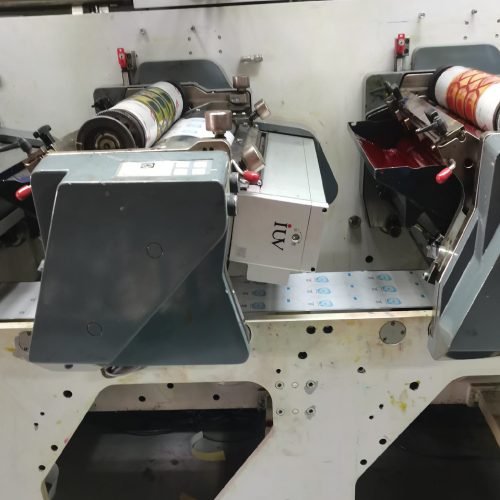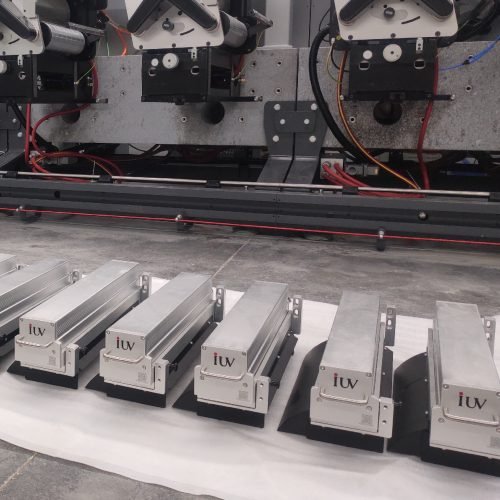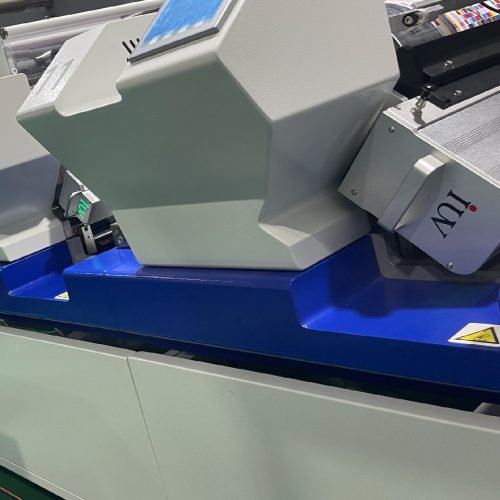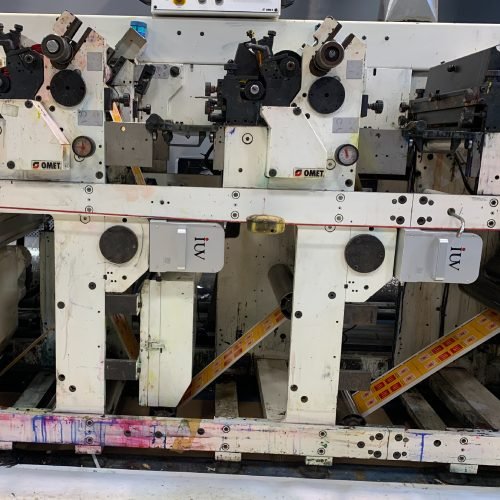
In the demanding world of label and packaging printing, achieving consistent, high-volume output is paramount. The race to meet deadlines and client expectations often hinges on the efficiency and reliability of every piece of equipment on the production floor. Among these, curing systems play a critical role, directly impacting speed, quality, and operational uptime. For operations running 24/7, the choice of curing technology can make or break productivity. This is where LED UV curing systems emerge as a game-changer, offering distinct advantages that directly support continuous, high-volume printing environments.
The Traditional Curing Landscape: Limitations in High-Volume Settings
Historically, printing operations relied heavily on traditional mercury vapor lamps for UV curing. While these systems have served the industry for years, they present several limitations when pushed to their operational limits in a 24/7 production schedule. Mercury lamps generate significant heat, which can affect substrate integrity, particularly with heat-sensitive materials common in label printing. This heat also requires substantial energy consumption and necessitates robust ventilation systems, adding to operational costs.
Furthermore, mercury lamps have a finite lifespan and degrade in performance over time. This means output intensity can fluctuate, leading to inconsistent curing and potential quality issues. Replacement bulbs are costly, and the downtime required for bulb changes and system cool-down periods can disrupt a tightly scheduled production flow. For businesses aiming for uninterrupted 24/7 operation, these interruptions are not just inconvenient; they represent tangible losses in throughput and profitability.
The LED UV Revolution: A Paradigm Shift in Curing Efficiency
Light Emitting Diode (LED) UV curing technology represents a significant leap forward. Instead of relying on a broad spectrum of UV light generated by heated mercury, LEDs emit a narrow, specific wavelength of UV light. This fundamental difference unlocks a cascade of benefits crucial for high-volume, continuous production.
One of the most impactful advantages is the drastic reduction in heat generation. LED systems operate at much lower temperatures than their mercury counterparts. This means less stress on a wide range of substrates, from thin films to paper stocks, allowing for faster press speeds without the risk of warping or damage. For narrow web label printing, where precision and material handling are key, this is a significant benefit.
Energy Efficiency: Powering Production Sustainably
The energy efficiency of LED UV curing is another cornerstone of its suitability for 24/7 operations. LEDs consume considerably less power than mercury lamps for equivalent or even superior curing performance. This translates directly into lower electricity bills, a substantial saving for facilities operating around the clock. Moreover, the reduced heat output means less energy is needed for environmental controls like exhaust systems. This combination of lower direct energy consumption and reduced secondary cooling requirements makes LED UV a more sustainable and cost-effective choice.
Instant On/Off Capability: Eliminating Warm-Up and Cool-Down Delays
Unlike mercury lamps that require a warm-up period to reach optimal intensity and a cool-down period before handling, LED systems are instant on and instant off. This capability is a critical enabler of 24/7 production. In a high-speed printing environment, there are no delays when starting up a press, pausing for a job change, or restarting after a brief interruption. The UV output is immediately at full power, ensuring consistent curing from the first moment. This eliminates the “waiting time” often associated with traditional systems, maximizing press uptime and throughput.
Extended Lifespan and Consistent Performance: Reliability for Continuous Operation
LEDs have a significantly longer operational lifespan compared to mercury lamps, often rated for tens of thousands of hours. This dramatically reduces the frequency of bulb replacements. For a 24/7 operation, this means fewer unscheduled maintenance events and less downtime dedicated to bulb changes.
Crucially, LEDs maintain their spectral output and intensity for much longer throughout their lifespan. This consistency ensures reliable curing performance from batch to batch and job to job. In flexographic, offset, and screen printing applications, consistent curing is vital for achieving optimal ink adhesion, gloss, and rub resistance. The predictable performance of LED UV systems minimizes variability in the final printed product, contributing to higher quality and fewer rejected jobs.
Versatility Across Printing Technologies: Adapting to Diverse Needs
The benefits of LED UV curing extend across various printing methods commonly used in high-volume production, including:
- Narrow Web Flexographic Printing: Ideal for labels and flexible packaging, where speed and substrate versatility are key. LED UV allows for faster press speeds on a wider range of materials without excessive heat. Consistent curing ensures excellent adhesion of inks and coatings, crucial for product durability and aesthetic appeal.
- Sheet-Fed Offset Printing: While traditionally using different curing methods, LED UV is increasingly adopted for its ability to cure inks and coatings instantly, enabling immediate stacking and finishing. This speeds up post-press operations, supporting a continuous workflow.
- Screen Printing: For applications like durable graphics, industrial labels, and membrane switches, LED UV provides rapid curing of thicker ink layers, improving throughput and finish quality.
Enhancing Productivity in High-Volume Workflows
For printers focused on high-volume, continuous production, the integration of LED UV curing systems offers a strategic advantage. The ability to print at higher speeds, coupled with consistent and reliable curing, directly translates to increased output. The reduced energy consumption and longer component life contribute to lower operating costs, making the overall production process more economically viable.
Furthermore, the reduced heat and waste associated with LED UV systems can also contribute to a safer and more environmentally friendly workplace, aligning with growing industry and consumer demands for sustainable practices.
Conclusion: The Future of High-Volume Curing is LED UV
In the competitive landscape of modern printing, where 24/7 production is often the standard, the operational demands placed on curing technology are immense. Traditional mercury vapor lamps, with their inherent limitations in heat, energy consumption, and lifespan, struggle to keep pace with the requirements of continuous high-volume output. LED UV curing systems, with their precise wavelength emission, low heat generation, superior energy efficiency, instant on/off capabilities, extended lifespan, and consistent performance, offer a compelling solution. By embracing this advanced technology, printers can unlock new levels of productivity, enhance product quality, reduce operational costs, and confidently meet the ever-increasing demands of the market.