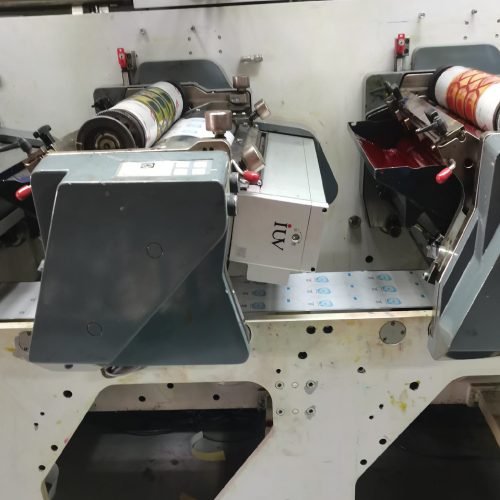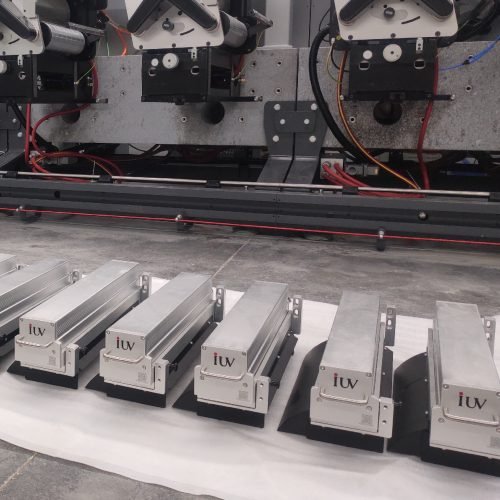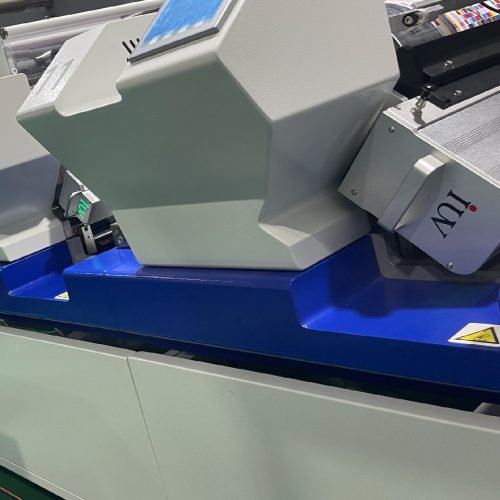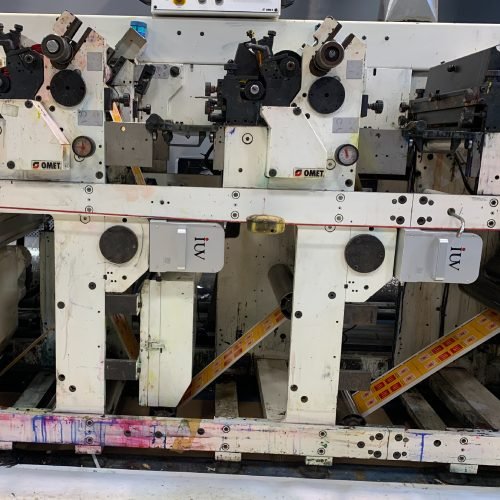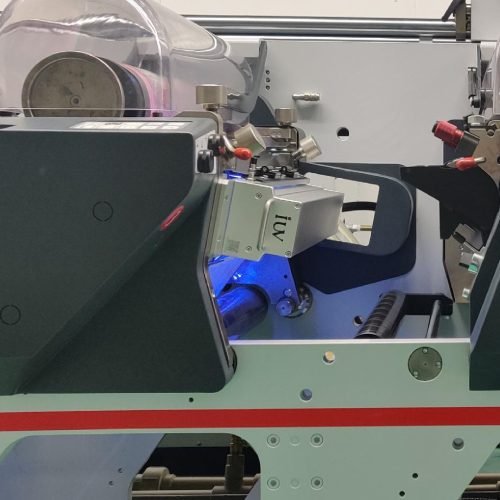
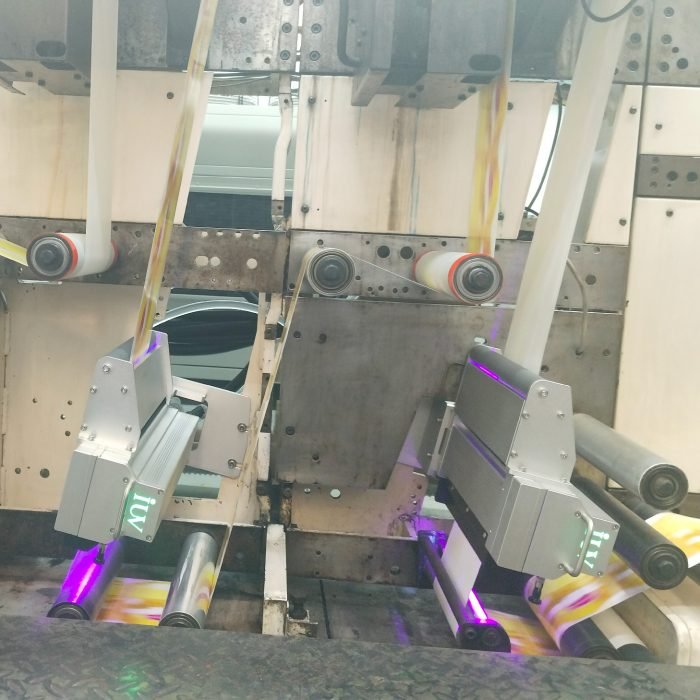
The printing industry is constantly evolving, seeking innovative ways to add value and visual appeal to printed materials. Spot varnishing and coating have long been essential finishing techniques, allowing printers to highlight specific areas, add tactile effects, and improve durability. Traditionally, these processes relied on mercury vapor lamps for UV curing. However, the advent of LED UV curing systems has revolutionized this aspect of printing, offering a more efficient, sustainable, and versatile solution for advanced spot varnishing and coating. This technology is particularly impactful in sectors like narrow web printing, flexographic printing, and offset lithography, which are integral to the label and packaging markets.
The Evolution of UV Curing in Printing
UV curing involves using ultraviolet light to instantly polymerize (harden) specially formulated inks, coatings, and varnishes. For decades, mercury vapor lamps were the standard. These lamps emit a broad spectrum of UV light, which effectively cures the materials. However, they come with several drawbacks. Mercury lamps generate significant heat, which can damage heat-sensitive substrates and increase energy consumption. They also have a limited lifespan, requiring frequent replacement and contributing to hazardous waste. Furthermore, their broad UV output can lead to over-curing or under-curing in certain applications, and their warm-up and cool-down periods add to production inefficiencies.
Introducing LED UV Curing: A Paradigm Shift
LED UV curing systems represent a significant technological leap. Light Emitting Diodes (LEDs) emit UV light within a very narrow wavelength spectrum, specifically tailored to the absorption peaks of UV-curable materials. This precise emission offers several key advantages over traditional mercury lamps.
Firstly, LED systems are highly energy-efficient. They consume considerably less power than mercury lamps and require no warm-up time. They can be switched on and off instantly, which is ideal for job starts and stops, further saving energy and increasing throughput. This efficiency translates directly into reduced operating costs for printing businesses.
Secondly, LED UV emitters generate very little heat. This is a critical benefit for printing on delicate or heat-sensitive substrates, such as thin films or certain types of paper, commonly used in label and packaging applications. The reduced heat also leads to a more stable printing environment, minimizing substrate expansion and contraction, which is crucial for maintaining precise registration in complex printing processes.
Thirdly, the lifespan of LED UV lamps is dramatically longer than that of mercury lamps, often extending to tens of thousands of hours. This significantly reduces maintenance downtime and replacement costs, contributing to a more predictable and cost-effective operation.
Precision in Spot Varnishing and Coating
The controlled wavelength output of LED UV systems is particularly advantageous for advanced spot varnishing and coating. By selecting LEDs that emit at precise wavelengths, printers can achieve highly efficient and targeted curing. This means that the coating or varnish hardens exactly where and when it’s needed, without affecting surrounding areas or the substrate itself.
For spot varnishing, this precision allows for the creation of intricate designs, tactile textures, and high-gloss or matte finishes on specific elements of a label or package. Whether it’s a company logo, product name, or decorative pattern, LED UV curing ensures a sharp, well-defined edge to the varnish, preventing any unwanted spread or bleed. This level of detail significantly elevates the perceived quality and luxury of the printed product.
In terms of coating, LED UV systems enable the application of protective layers with exceptional uniformity and durability. These coatings can enhance scratch resistance, chemical resistance, and overall product longevity, which are vital for demanding applications in the food, beverage, and pharmaceutical industries. The ability to cure these coatings instantly also means that downstream processes, such as die-cutting or embossing, can commence immediately, streamlining production workflows.
Applications in Narrow Web, Flexo, and Offset Printing
The advantages of LED UV curing are readily transferable to various printing technologies prevalent in the label and packaging sectors.
Narrow Web Printing: This segment, focused on producing labels and flexible packaging, often involves intricate designs and short print runs. LED UV curing is a perfect fit. Its instant on/off capability and minimal heat generation allow for high-speed printing on a wide range of substrates, from paper to plastic films. For spot varnishing on labels, the precise control offered by LEDs ensures that even fine details are rendered with stunning clarity and effect, setting brands apart on the shelf.
Flexographic Printing: Flexography is a workhorse in label and packaging production. The inherent speed and versatility of flexo printing are further enhanced by LED UV curing. In spot coating applications, LED systems enable the use of high-viscosity varnishes to build tactile effects, such as raised lettering or textured patterns, that add a premium feel to labels and flexible packaging. The reduced heat is also beneficial, as many flexible packaging films are susceptible to distortion.
Offset Lithography: While traditionally associated with sheetfed printing, offset is also used for certain types of packaging and labels, particularly those requiring high print quality and fine detail. For spot UV applications in offset, LED UV curing allows for selective application of varnishes and coatings to specific areas of the printed sheet. This can be used to create contrasting visual effects, such as gloss highlights on matte backgrounds, adding a sophisticated dimension to cartons and high-end labels. The precise wavelength control ensures that the UV light activates only the intended coating without impacting the offset inks.
Sustainability and Compliance
Beyond performance, LED UV curing systems offer substantial environmental benefits. Their energy efficiency significantly reduces the carbon footprint of printing operations. The absence of mercury in LED lamps eliminates hazardous waste, aligning with increasing industry and regulatory demands for sustainable practices. Furthermore, UV-curable inks and coatings are often formulated with fewer volatile organic compounds (VOCs) compared to conventional inks, contributing to a healthier working environment and reducing air pollution.
The consistent and precise curing achieved with LED technology also means less material waste due to imperfect curing. This translates to fewer rejected jobs and a more efficient use of resources, further bolstering the sustainability credentials of print businesses that adopt this technology.
The Future of Spot Varnishing and Coating
LED UV curing systems are not just an incremental improvement; they represent a fundamental shift in how spot varnishing and coating are approached in the printing industry. Their ability to deliver unparalleled precision, efficiency, and sustainability makes them indispensable for printers aiming to produce high-quality, value-added labels and packaging. As the technology continues to mature and become more accessible, its adoption across narrow web, flexographic, and offset printing processes will undoubtedly accelerate. Printers investing in LED UV curing are positioning themselves at the forefront of innovation, ready to meet the ever-growing demand for visually striking, tactile, and durable printed products in a competitive global market.