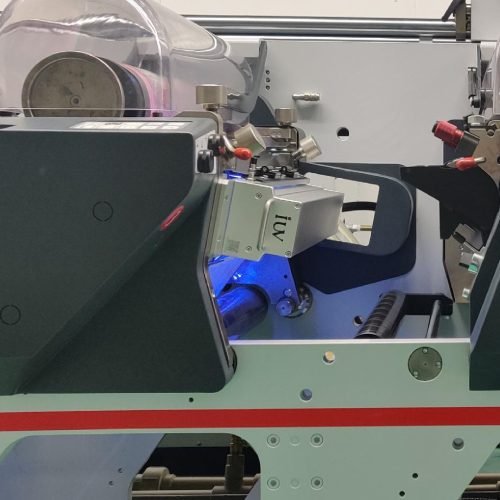
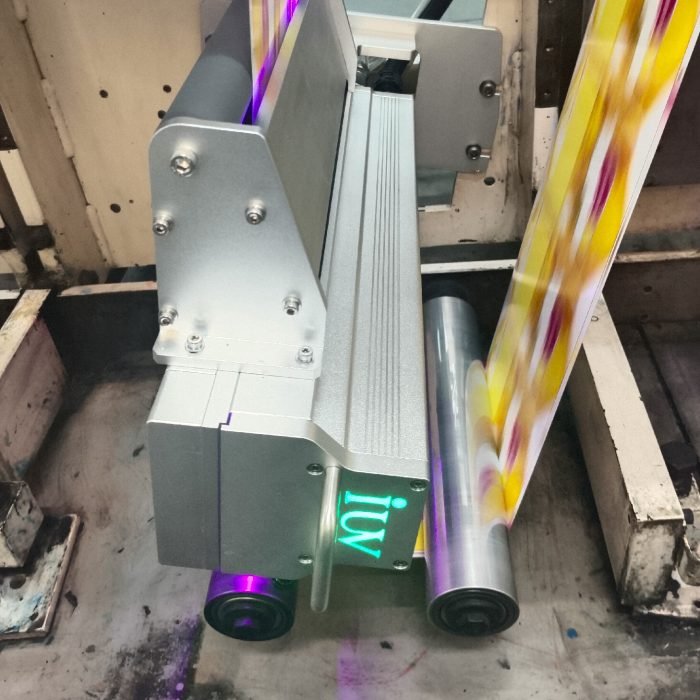
In recent years, the printing industry has undergone significant technological advancements. One of the most notable innovations is the integration of LED UV curing systems into flexographic printing. This technology has revolutionized the way print jobs are completed, offering a range of benefits that improve both the quality and efficiency of the printing process. In this article, we will explore the essential role of LED UV curing systems in modern flexographic printing, and how they are transforming the industry.
What is Flexographic Printing?
Flexographic printing, also known as flexo printing, is a popular method used for printing on various substrates such as packaging materials, labels, and flexible films. It involves the use of a flexible printing plate, often made of rubber or photopolymer, which is inked and then pressed onto the substrate. The process is known for its versatility, speed, and ability to print on a wide variety of materials.
Flexographic printing is commonly used in the production of packaging for food, beverages, pharmaceuticals, and consumer goods. The technique is particularly valuable in the production of labels and flexible packaging due to its ability to print high-quality images and text at high speeds.
The Importance of UV Curing in Flexographic Printing
One of the critical components of flexographic printing is the curing process. Curing refers to the hardening or drying of the ink after it is applied to the substrate. Traditional curing methods include the use of solvent-based inks, which require the evaporation of solvents for the ink to dry. However, this method can be slow and environmentally harmful due to the release of volatile organic compounds (VOCs).
UV curing, on the other hand, uses ultraviolet light to instantly cure or dry the ink, without the need for solvents. This process has been widely adopted in modern printing technologies due to its speed, environmental benefits, and ability to produce high-quality results.
LED UV Curing: A Game-Changer in Flexographic Printing
LED UV curing is a specific type of UV curing that uses light-emitting diodes (LEDs) instead of traditional mercury vapor lamps to cure the ink. The key advantages of LED UV curing over conventional UV curing are numerous, particularly in the context of flexographic printing.
1. Energy Efficiency
One of the most significant benefits of LED UV curing is its energy efficiency. LED UV systems consume far less energy compared to traditional UV systems that use mercury vapor lamps. LED lights are highly efficient and convert most of the electrical energy into light, minimizing waste heat. This leads to lower energy consumption, reducing the overall operational costs for printers.
In addition, LED UV lamps have a longer lifespan, often lasting tens of thousands of hours compared to the relatively short lifespan of traditional mercury vapor lamps. This longevity reduces maintenance and replacement costs, further enhancing the cost-effectiveness of the printing process.
2. Faster Drying Times
LED UV curing systems provide instant curing of inks as soon as they are exposed to the UV light. This significantly speeds up the drying process, which is particularly important in high-speed flexographic printing. With faster curing times, printers can achieve quicker turnaround times and greater production efficiency, resulting in higher output and improved profitability.
The quick curing also enables the use of a broader range of substrates, including heat-sensitive materials that may otherwise be damaged by traditional curing methods. The precise control over curing intensity with LED UV lamps ensures that the ink is cured without damaging the underlying material.
3. Enhanced Print Quality
LED UV curing systems deliver superior print quality by ensuring that inks are cured evenly and consistently. The controlled curing process eliminates the risk of ink smudging or bleeding, which can occur when inks do not fully dry before being handled. This results in sharper images, more accurate colors, and better overall print quality.
Flexographic printing often requires the use of specialized inks, including UV inks, which are designed for fast curing and vibrant colors. The ability to cure these inks immediately under LED UV lights allows printers to produce high-quality prints with minimal post-print handling.
4. Reduced Environmental Impact
Environmental sustainability has become an increasingly important consideration in the printing industry. Traditional printing processes that use solvent-based inks release VOCs into the atmosphere, contributing to air pollution and potentially harming workers’ health. LED UV curing, on the other hand, eliminates the need for solvents, making it a more environmentally friendly option.
LED UV curing also produces less heat compared to traditional mercury vapor lamps, reducing the risk of heat-related damage to sensitive materials. The reduction in energy consumption and the elimination of VOC emissions contribute to a more eco-friendly printing process, which is a critical advantage for companies seeking to meet sustainability goals.
5. Improved Safety
LED UV curing systems offer improved safety over traditional mercury vapor lamps. Mercury vapor lamps emit harmful UV radiation and heat, which can pose safety risks to workers. Additionally, they require proper disposal methods due to the toxic nature of mercury.
LED UV lamps, in contrast, are much safer to handle. They emit lower levels of UV radiation, and the absence of mercury makes them less hazardous. This reduces the risks associated with operating and maintaining the equipment, providing a safer work environment for print shop employees.
The Role of LED UV Curing in Narrow Web Flexo Printing
Narrow web flexographic printing is a subset of flexographic printing that is particularly suited for high-quality, high-speed printing on smaller rolls of material. It is commonly used for the production of labels, packaging, and other specialty products.
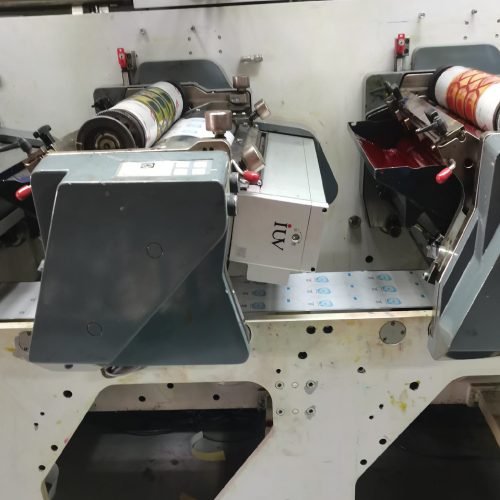
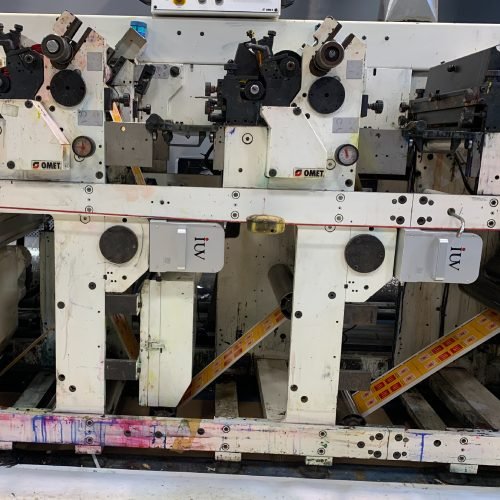
LED UV curing plays a crucial role in narrow web flexo printing. The ability to cure inks instantly allows printers to achieve faster speeds without sacrificing print quality. Moreover, LED UV curing enables narrow web printers to work with a wider variety of substrates, including films and foils, which are often used in label printing.
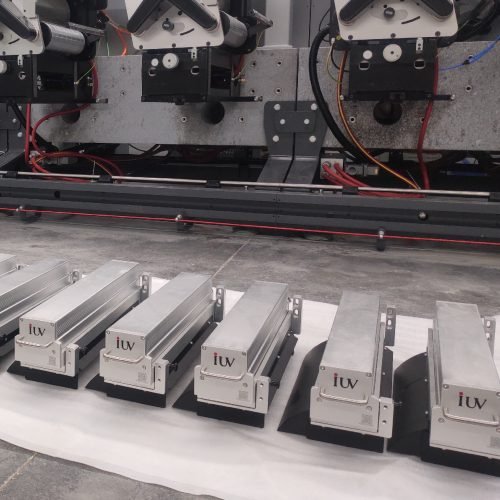
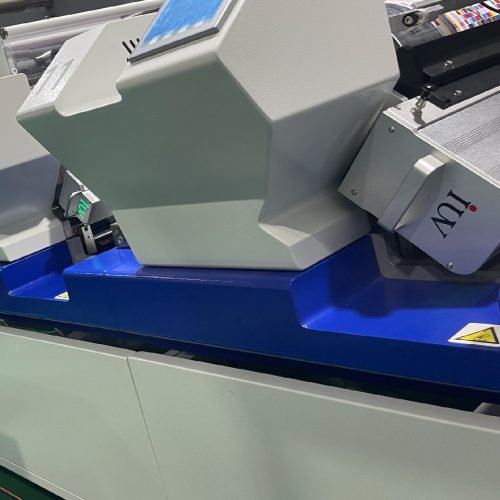
The compact design of LED UV lamps also makes them ideal for narrow web presses. These presses typically operate at high speeds and require efficient, space-saving curing solutions. LED UV lamps fit perfectly within the confined spaces of narrow web printing presses, providing the necessary curing power without taking up excessive room.
Conclusion
LED UV curing systems have become an essential component of modern flexographic printing, offering a wide range of advantages that improve both the efficiency and quality of the printing process. From energy efficiency and faster drying times to enhanced print quality and reduced environmental impact, LED UV curing technology is transforming the way flexographic printing is performed.
As the demand for high-quality packaging and labels continues to rise, LED UV curing will play an increasingly important role in meeting these demands. By adopting this cutting-edge technology, printers can stay competitive, meet sustainability goals, and deliver superior products to their customers.
In summary, LED UV curing systems are not just a trend—they are a critical technology that enables flexographic printing to evolve and thrive in the modern world. As this technology continues to advance, its role in the printing industry will only grow, shaping the future of flexible packaging, labels, and beyond.