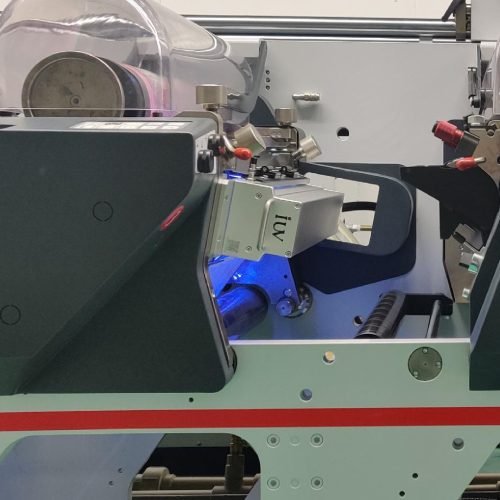
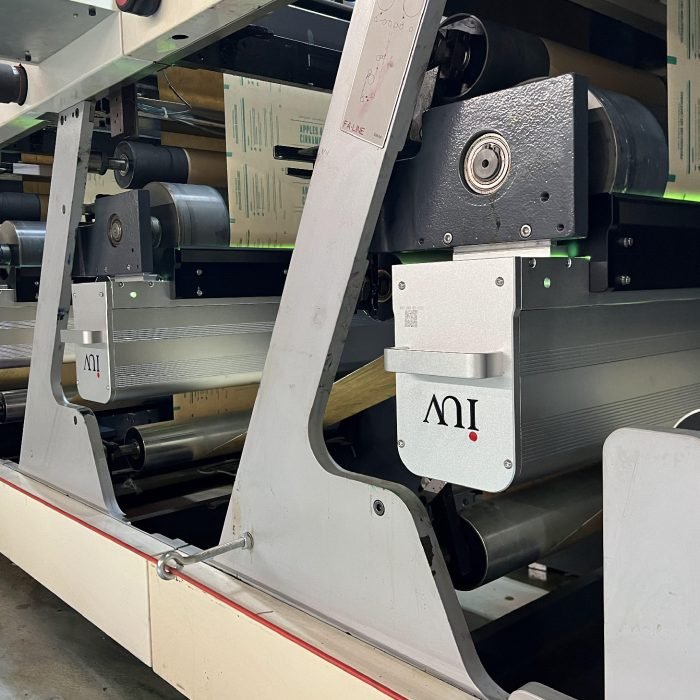
The adoption of LED UV curing systems in the printing industry has revolutionized the way print quality and consistency are achieved, particularly in packaging. As the demand for faster production speeds, superior print quality, and environmental sustainability grows, LED UV curing technologies are emerging as a key solution to meet these needs. This article explores the impact of LED UV curing systems on packaging print quality and consistency, particularly in the context of flexographic printing, letterpress, narrow-web printing, and the broader use of UV curing in packaging.
Understanding LED UV Curing Technology
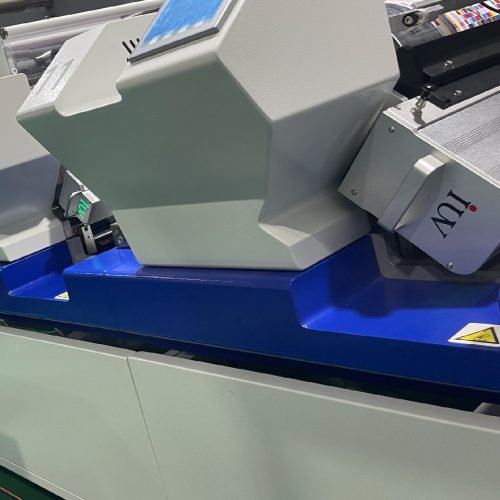
LED UV curing technology involves the use of LED lights to cure UV-sensitive inks or coatings instantly, rather than relying on traditional drying processes. This process uses ultraviolet light to initiate a photochemical reaction that rapidly hardens inks, which is essential for maintaining the integrity and durability of printed materials.
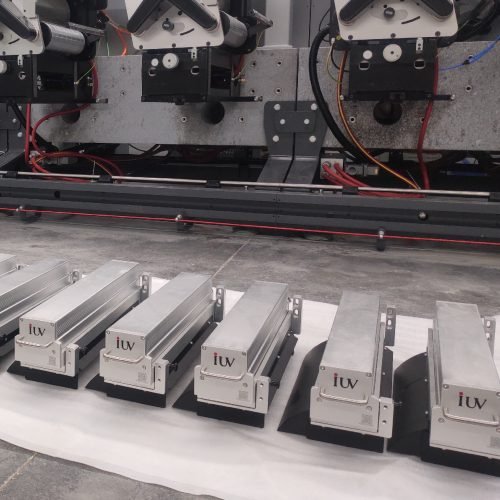
LED UV curing differs from conventional UV systems in several ways, particularly in energy consumption, speed, and the reduction of harmful emissions. Unlike traditional mercury vapor lamps, which can be slow to warm up and consume more energy, LED lamps provide instant on/off capability, consume less power, and emit less heat, all while offering superior curing performance.
Advantages of LED UV Curing in Packaging
1. Improved Print Quality
One of the most significant advantages of LED UV curing is its ability to produce high-quality prints with consistent color and definition. The LED UV curing process is incredibly precise, which results in sharper images and more accurate color reproduction. This is particularly beneficial in packaging print jobs where fine details and vibrant colors are critical to the visual appeal of the packaging.
The curing speed of LED UV lamps also allows printers to achieve a glossy, smooth finish with minimal ink spread. The lack of residual solvent or moisture in the cured ink ensures that the final print product is free from smudging or fading. This leads to an impressive overall print quality, which is a key factor in the competitive packaging industry.
2. Increased Consistency and Reduced Variability
Packaging prints often face challenges related to color consistency, ink application, and drying times. Traditional drying methods, such as air drying or IR curing, can lead to issues like ink smudging or uneven curing. In contrast, LED UV curing provides more control over the curing process, ensuring that each print run is consistent.
The precision and speed of LED UV curing systems mean that printers can achieve uniform curing across different substrates and print runs. As a result, packaging prints exhibit a higher level of consistency, reducing the potential for errors and variation from one batch to the next. This consistency is particularly important in mass production settings where maintaining identical results is crucial for brand integrity and customer satisfaction.
Impact on Different Printing Methods
LED UV curing technology has a significant impact on various printing methods, including flexographic, letterpress, and narrow-web printing.
1. Flexographic Printing
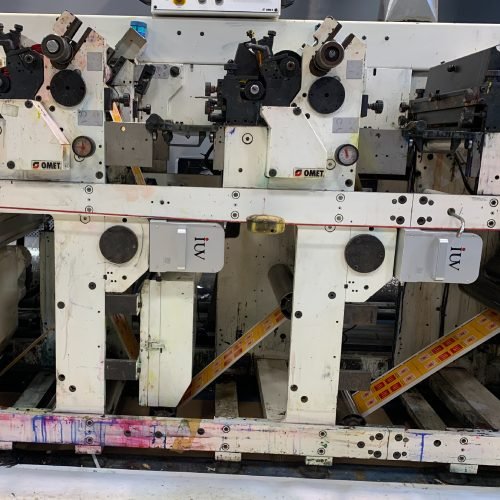
Flexographic printing is widely used for packaging due to its ability to print on a wide variety of substrates, such as films, papers, and plastics. LED UV curing in flexographic printing has drastically improved both the quality and speed of production. Since LED UV curing allows for instant drying, it is particularly advantageous for high-speed flexo presses. The ability to cure inks immediately after application eliminates the risk of smudging and ensures that colors remain vibrant and consistent.
Moreover, LED UV curing reduces the reliance on solvents, making the process more environmentally friendly. The reduced VOC emissions help meet regulatory requirements and lower the environmental footprint of packaging production.
2. Letterpress Printing
Letterpress printing, though less commonly used today, still plays a crucial role in niche packaging applications, such as luxury packaging and high-end labels. LED UV curing enhances letterpress printing by providing faster drying times and higher-quality finishes. The immediate curing process ensures that even fine details and intricate patterns are preserved, enhancing the tactile quality of printed materials.
Letterpress printing can also benefit from the reduced curing heat that LED UV lamps provide, particularly when working with sensitive substrates like thin paper or films. The reduced risk of substrate warping ensures better consistency and fewer production errors.
3. Narrow-Web Printing
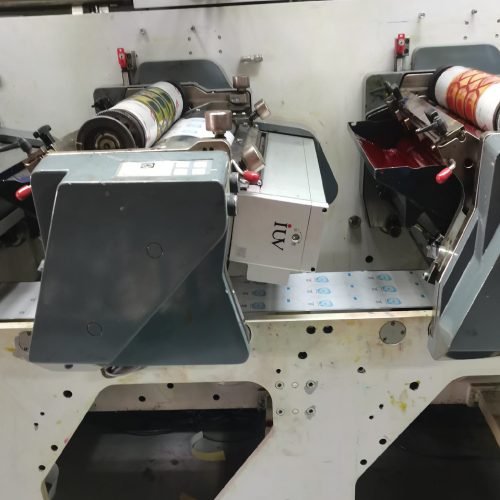
Narrow-web printing is essential for producing smaller runs of packaging, labels, and flexible packaging materials. LED UV curing technology has found a particularly valuable application in narrow-web presses, which require fast, efficient drying to keep up with the high production speeds. The instant curing offered by LED UV lights ensures that each print is dry and ready for finishing almost immediately, reducing the potential for mishaps and downtime during the production process.
The ability to print on a wide variety of substrates, including plastic films and metalized materials, is another advantage of LED UV curing in narrow-web applications. The versatility of LED UV lamps in curing a range of inks across different substrates is particularly beneficial for the diverse nature of narrow-web packaging printing.
Environmental and Cost Benefits
LED UV curing technology brings notable environmental and cost-saving benefits that are highly relevant in the modern packaging industry. Traditional UV lamps require the use of mercury, which can pose disposal challenges and environmental hazards. LED UV lamps, on the other hand, are mercury-free, making them a more eco-friendly option.
Additionally, LED UV curing systems consume less power than traditional UV lamps, which leads to lower energy costs for printers. These energy savings are particularly significant in large-scale operations where power consumption can be a major operational expense. The longevity of LED UV lamps also means that they require less frequent replacement, further reducing maintenance and operational costs over time.
Challenges and Considerations
Despite the many benefits, there are some challenges that printers must consider when adopting LED UV curing technology. One key challenge is the initial investment cost, as LED UV systems can be more expensive upfront than conventional curing systems. However, the long-term savings in energy, maintenance, and ink costs often outweigh the initial expense.
Another consideration is the compatibility of LED UV curing systems with certain ink formulations and substrates. While most modern LED UV inks and coatings are designed to work well with LED UV lamps, printers must ensure that their existing ink sets and substrates are compatible with the technology. Additionally, while LED UV curing systems can be highly effective on many substrates, some materials may still require adjustments to the curing process to achieve optimal results.
Conclusion
LED UV curing systems have had a profound impact on packaging print quality and consistency. Their ability to deliver faster drying times, superior print quality, and energy efficiency makes them a valuable asset to the printing industry. Whether in flexographic, letterpress, or narrow-web printing, LED UV curing offers substantial advantages in producing high-quality, consistent prints that meet the demands of the modern packaging industry.
The benefits of LED UV curing, including improved print quality, increased consistency, and environmental sustainability, make it a preferred choice for many packaging applications. While challenges remain in terms of initial investment and substrate compatibility, the long-term advantages of adopting LED UV curing technology are undeniable. As the technology continues to evolve, it is likely that LED UV curing will become an even more integral part of packaging printing, driving improvements in both efficiency and quality across the industry.