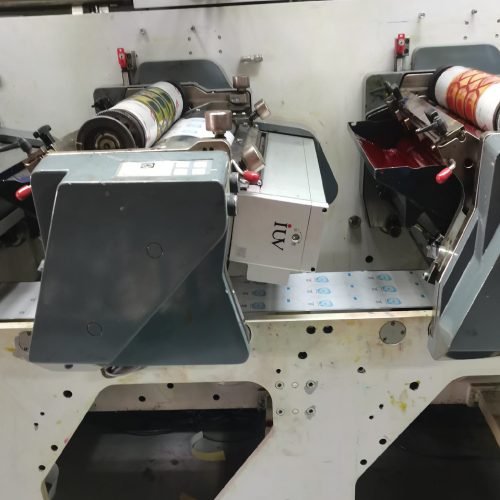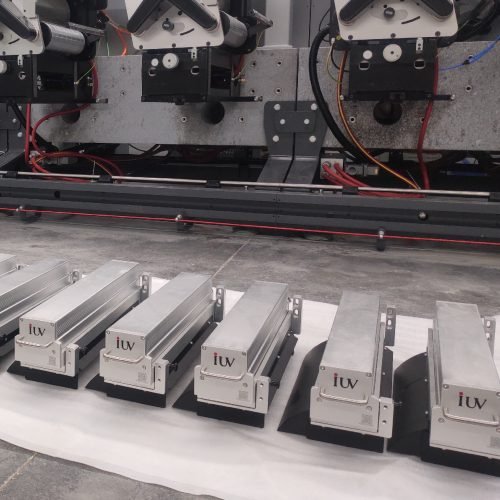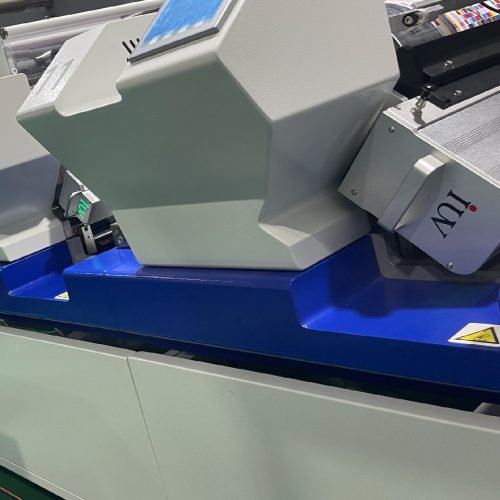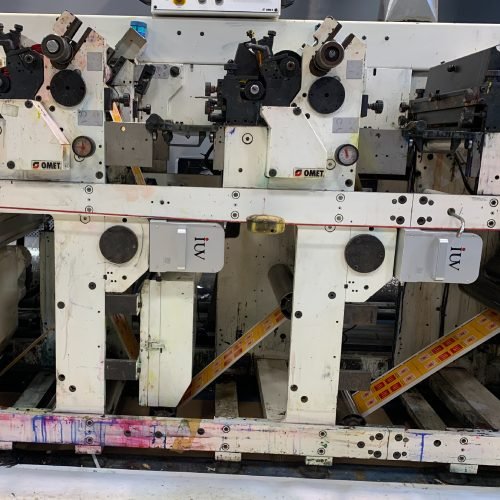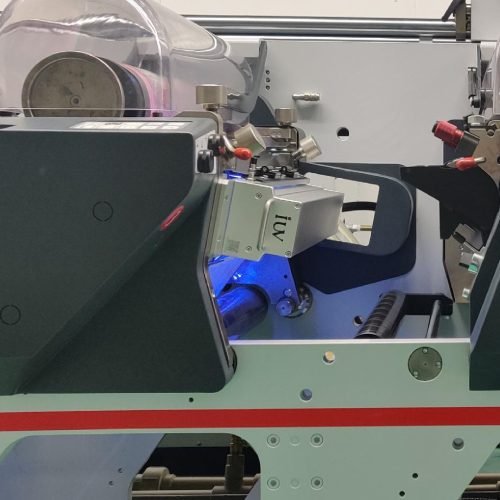
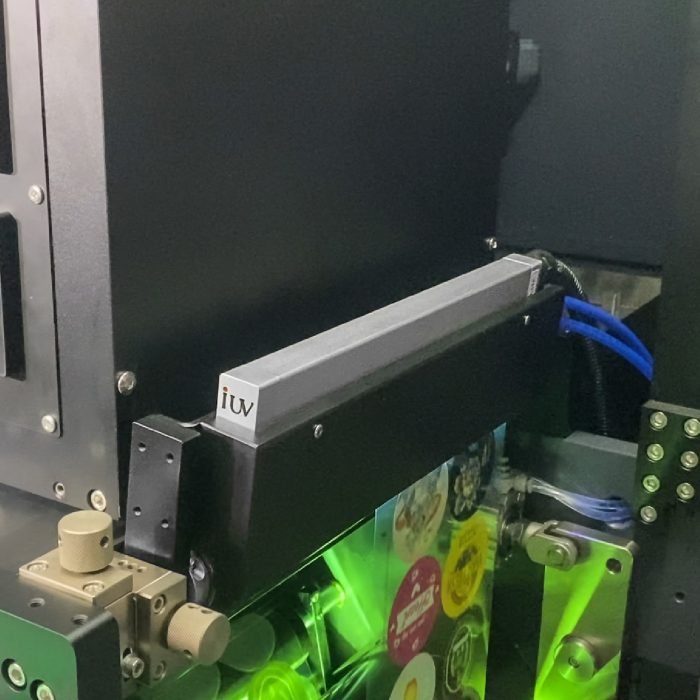
In the world of printing, especially in narrow-web, flexographic, and letterpress applications, precision is paramount. Achieving fine details and high-quality results requires advanced technology to ensure accurate curing of inks and coatings. One of the most revolutionary advancements in printing technology has been the introduction of LED UV curing systems. These systems have transformed the way ink is cured on various substrates, providing unparalleled precision and efficiency. In this article, we will explore how LED UV curing systems enable precise curing for fine detail printing, particularly in the context of narrow-web printing, flexographic printing, and letterpress printing.
What is LED UV Curing?
LED UV curing is a process where ultraviolet (UV) light emitted from light-emitting diodes (LEDs) is used to instantly cure inks, coatings, and adhesives. Unlike traditional UV curing that uses mercury vapor lamps, LED curing systems use solid-state LED technology, which offers a host of advantages, including energy efficiency, longer lifespan, and a more controlled curing process. The specific wavelength of the LED light is tailored to activate photoinitiators in UV inks, which then initiate a chemical reaction that causes the ink to harden or “cure.”
Advantages of LED UV Curing Systems for Fine Detail Printing
LED UV curing systems offer a number of advantages over traditional curing methods, making them ideal for printing fine details with accuracy and consistency.
1. Precision Curing for Fine Details
One of the standout features of LED UV curing is its ability to cure inks with precision. When printing fine details, such as small fonts, intricate graphics, or high-resolution images, it’s essential that the ink cures uniformly and at the right speed. LED UV curing systems deliver a more consistent and controlled cure compared to conventional UV systems. This precision ensures that delicate details, even those with very fine lines, remain sharp and crisp, without any distortion or smearing.
In narrow-web and flexographic printing, where fine details are crucial for high-quality packaging, labels, and product markings, LED UV curing systems help maintain the integrity of these intricate designs throughout the printing process.
2. Instant Curing and Faster Production Speeds
LED UV curing systems offer immediate curing of inks and coatings as the substrate passes under the light source. This instant curing capability allows for faster production speeds, as there is no need to wait for the ink to air-dry. In the context of fine detail printing, this means that printers can achieve high-quality results at much faster rates without compromising on accuracy or detail.
Faster curing also reduces the risk of ink smearing, which is a common issue in traditional drying processes. This is particularly important when working with multi-layer prints or intricate designs, as quick curing minimizes the chance of unwanted blending between layers.
3. Reduced Heat Generation
LED UV curing systems produce much less heat compared to traditional mercury vapor lamps. Excessive heat can cause warping or distortion of sensitive substrates, especially in narrow-web printing where thin or flexible materials are commonly used. With LED UV systems, the lower heat output ensures that the substrate remains stable during the curing process. This is crucial for printing fine details, as excessive heat can cause fine lines or small fonts to blur, resulting in a loss of sharpness and definition.
Moreover, the low heat generation extends the life of both the substrate and the printing equipment, reducing the need for costly replacements and repairs.
4. Energy Efficiency and Sustainability
LED UV curing systems are highly energy-efficient compared to traditional UV curing lamps. They consume significantly less power and generate less heat, reducing overall energy consumption. This is not only cost-effective but also environmentally friendly. As sustainability becomes an increasing concern in the printing industry, the use of LED UV systems aligns with eco-friendly practices.
Additionally, LED bulbs have a longer lifespan than traditional UV lamps, reducing the frequency of replacements and minimizing waste. This contributes to a more sustainable and cost-effective production process, which is essential for modern printing operations focused on both quality and environmental responsibility.
5. No Ozone Emissions
Unlike mercury vapor lamps, which emit ozone during the curing process, LED UV systems are ozone-free. This eliminates the need for complex ventilation systems to manage ozone buildup, making LED UV systems safer and more comfortable to operate in a variety of printing environments. The lack of ozone emissions also makes LED UV curing systems a healthier choice for operators and a more environmentally responsible technology.
How LED UV Curing Benefits Narrow-Web and Flexographic Printing
Narrow-web printing is commonly used for labels, flexible packaging, and other small-scale print jobs that require high-quality, fine-detail printing. Flexographic printing, on the other hand, is widely used in the production of packaging materials and labels. Both of these printing methods benefit greatly from the precision and efficiency offered by LED UV curing.
1. Maintaining Fine Detail in Labels and Packaging
In both narrow-web and flexographic printing, the challenge lies in achieving sharp, high-quality results on small, detailed designs. Labels often feature small typefaces, intricate patterns, and fine lines that must be preserved throughout the printing process. Traditional curing methods may struggle to preserve these delicate details, especially when printing at higher speeds.
LED UV curing systems excel in this area, providing instant curing that helps maintain the integrity of fine lines and small details. The precise control over the curing process ensures that even the smallest elements of the design remain crisp and clear, without any risk of distortion or ink bleeding.
2. Increased Print Durability
Narrow-web and flexographic prints are often subjected to wear and tear, whether they are exposed to abrasion, moisture, or environmental factors. LED UV curing not only improves the precision of fine details but also enhances the durability of the printed materials. The cured inks are harder and more resistant to fading, scratching, and smearing, making them ideal for high-demand applications like packaging.
Benefits for Letterpress Printing
Letterpress printing, one of the oldest forms of printing, is still used for high-end packaging and specialty products. Precision in ink transfer is essential, particularly when dealing with detailed designs. LED UV curing helps ensure that the inks used in letterpress printing cure rapidly and evenly, preventing issues like smudging or misregistration that can occur with slower curing processes.
Conclusion
LED UV curing systems are a game-changer in the world of fine detail printing. From narrow-web to flexographic and letterpress printing, these systems offer unmatched precision, speed, and energy efficiency. By enabling precise curing, reducing heat generation, and maintaining the integrity of fine details, LED UV curing is the ideal solution for producing high-quality prints with intricate designs. As the printing industry continues to evolve, LED UV curing technology is likely to play an even more central role in driving innovation and improving the quality of print products worldwide.