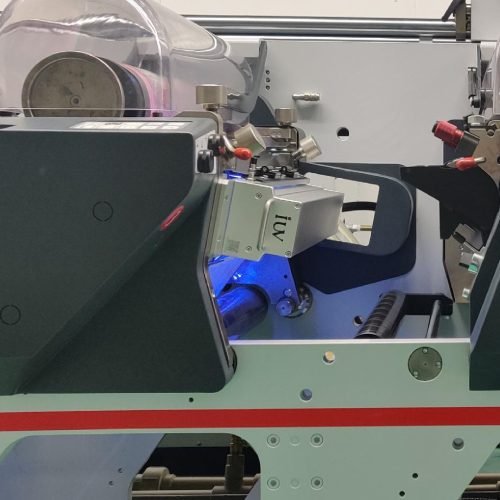
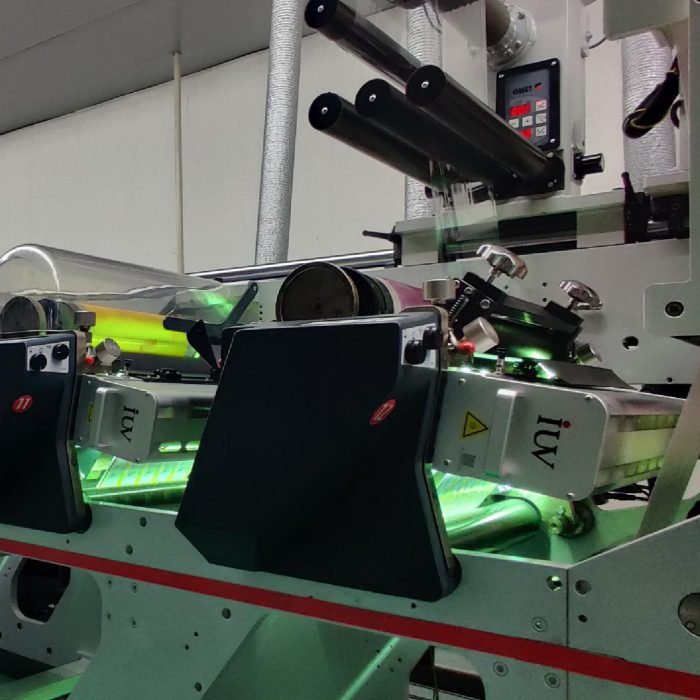
In the demanding world of narrow web printing, achieving sharp, vibrant, and precise image reproduction is paramount. A persistent challenge that print professionals grapple with is dot gain. This phenomenon, where ink dots on the substrate expand during the printing process, can lead to muddy colors, lost detail, and an overall reduction in print quality. For flexographic printing, especially in applications like label and flexible packaging, controlling dot gain is not just desirable; it\’s a critical factor for brand success.
The advent of LED UV curing technology has introduced a powerful new tool in the fight against excessive dot gain. While traditional UV curing methods have been around for a while, LED UV offers distinct advantages that directly impact ink behavior and, consequently, dot gain. This article delves into how print operations can leverage LED UV curing to minimize dot gain, enhance print fidelity, and elevate the overall performance of their flexographic presses.
Understanding the Nuances of Dot Gain in Flexography
Before exploring the solution, it\’s essential to understand the problem. Dot gain occurs at several stages in the printing process. In flexography, it begins with the ink transfer from the anilox roll to the printing plate, and then from the plate to the substrate. Factors contributing to dot gain include:
- Ink Viscosity and Rheology: The flow characteristics of the ink play a significant role. Thicker inks may transfer more ink, leading to greater spread.
- Plate Material and Durometer: Softer plates tend to deform more under pressure, causing ink dots to spread.
- Impression Pressure: Excessive pressure between the plate and the substrate can squeeze ink outward.
- Anilox Roll Cell Volume and Engraving: Inconsistent or overloaded anilox cells can deliver too much ink.
- Substrate Absorption: Porous substrates can cause ink to spread as it is absorbed.
- Ink Drying/Curing Speed: The speed at which the ink solidifies is a major determinant of how much it can spread before setting. This is where curing technology becomes critically important.
In conventional offset printing, dot gain is often managed through intricate profiling and trapping techniques. However, flexography, with its inherent relief printing nature and the diverse range of substrates it handles, presents unique hurdles. For narrow web printers producing high-volume labels and packaging, even minor increases in dot gain can significantly impact the final product\’s aesthetic appeal and brand integrity.
The Science Behind Curing and Dot Gain
The fundamental principle of UV curing involves using ultraviolet light to initiate a photochemical reaction within the ink. This reaction causes the ink to polymerize, transforming from a liquid to a solid state almost instantaneously. The speed and efficiency of this curing process are key to controlling dot gain.
Traditional mercury vapor UV lamps emit a broad spectrum of UV light, including heat. While effective, the heat generated can sometimes affect the substrate, causing it to expand or contract, which indirectly influences dot gain. Furthermore, the curing process with these lamps might not be as uniformly energetic across the entire ink film.
LED UV curing, on the other hand, utilizes light-emitting diodes to produce UV light at specific, narrow wavelengths. This targeted energy delivery offers several advantages:
- Instantaneous Curing: LED UV lamps provide a high-intensity output that cures inks almost instantaneously upon exposure. This rapid solidification minimizes the time the ink has to spread.
- Focused Energy: By emitting light at precise wavelengths that directly match the photoinitiators in UV inks, LED UV systems ensure highly efficient and thorough curing. This means the ink film sets firmly and quickly.
- Reduced Heat Transfer: Compared to mercury lamps, LED UV systems generate significantly less heat. This is crucial for heat-sensitive substrates often used in label and flexible packaging printing. A cooler printing process means less substrate distortion, contributing to more consistent dot reproduction.
- Uniformity and Consistency: Modern LED UV systems are designed for highly uniform light output across the web. This consistency ensures that every ink dot cures evenly, preventing uneven spread.
How LED UV Curing Directly Minimizes Dot Gain in Flexo
The direct impact of LED UV curing on dot gain reduction in flexographic printing stems from its ability to rapidly and efficiently solidify the ink film. Here\’s a breakdown:
- Rapid Ink Setting: As the ink is transferred from the plate to the substrate, the LED UV lamp immediately bombards it with concentrated UV energy. This causes the ink to polymerize and harden in fractions of a second. The faster the ink solidifies, the less opportunity it has to spread outwards, thus preserving the intended dot size.
- Minimizing Ink Migration and Spread: With traditional drying methods, or even less efficient UV curing, there\’s a window of time where the ink is still wet or semi-wet. During this period, capillary action and mechanical pressure can cause the ink to spread. LED UV\’s instant cure effectively \”freezes\” the ink in place, preventing this migration and spread.
- Controlled Ink Transfer: By achieving a faster and more complete cure, the ink film becomes more robust and less susceptible to deformation during subsequent processes, such as stacking or rewinding. This helps maintain the integrity of the printed dots throughout the entire finishing process.
- Enabling Thinner Ink Films: The efficiency of LED UV curing can sometimes allow printers to use slightly thinner ink films while still achieving vibrant colors and opacity. Thinner ink films inherently have less ink to spread, further contributing to reduced dot gain.
- Compatibility with Advanced Plate Technologies: Modern photopolymer plates, especially those designed for fine detail and fine screens, benefit immensely from rapid curing. LED UV\’s precise energy delivery complements the performance of these plates, ensuring that the intricate details etched into the plate translate accurately to the printed image without excessive dot gain. This is particularly relevant for high-resolution graphics and fine text commonly found in narrow web applications.
Practical Implementation: Optimizing for Success
To fully realize the benefits of LED UV curing in minimizing dot gain, printers should consider several key operational aspects:
- Ink Formulation: Work closely with ink manufacturers to select UV inks specifically formulated for LED curing. These inks contain photoinitiators optimized for the specific wavelengths emitted by LED lamps. They are designed to cure rapidly and efficiently, providing the best defense against dot gain.
- Plate Selection and Treatment: Choose high-quality flexographic plates with appropriate durometer and surface characteristics. Plates designed for fine screen work and detailed images will perform better. Consider plates that offer inherent dot gain control features.
- Anilox Roll Selection: The anilox roll remains a critical component. Use anilox rolls with cell volumes and line screens that deliver the appropriate amount of ink for the job. Over-inking is a primary driver of dot gain, and even with LED UV, the right anilox is essential. Consult with anilox suppliers to determine the optimal choice for your specific inks and applications.
- Press Calibration and Maintenance: Ensure your flexographic press is meticulously maintained. Proper impression settings, clean rollers, and accurate registration are fundamental. Regular calibration of all press components is vital for consistent results.
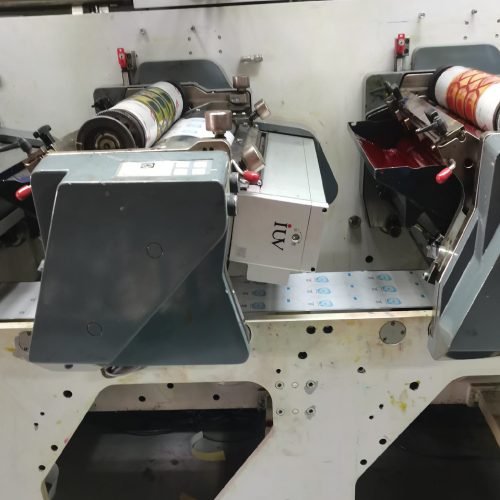
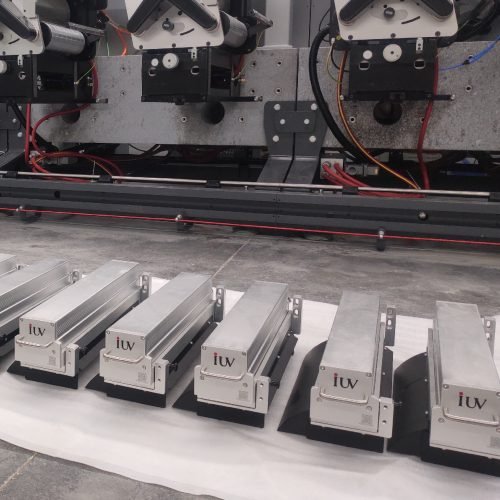
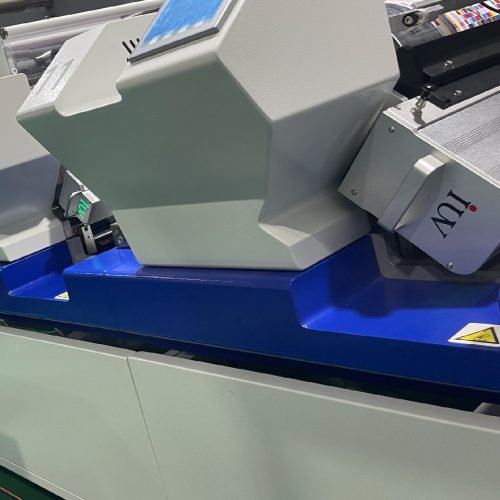
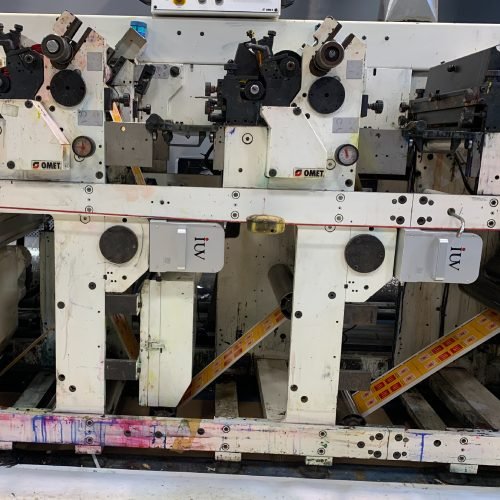
- Curing System Integration: Properly integrate the LED UV curing system into your press. Ensure the lamp output is sufficient for your press speed and ink coverage. Position the lamps correctly to ensure consistent and effective curing across the entire web width. Monitor UV intensity and dosage regularly.
- Substrate Considerations: While LED UV generates less heat, some substrates can still be sensitive. Understanding your substrate\’s properties and ensuring compatibility with your chosen inks and curing parameters is important.
- Color Management and Profiling: Even with reduced dot gain, accurate color management and press profiling remain crucial. Utilize advanced color management software and techniques to create custom profiles that account for the specific characteristics of your LED UV flexographic process. This will ensure predictable and repeatable color reproduction.
The Future of Flexo: Precision with LED UV
The integration of LED UV curing technology into flexographic printing represents a significant leap forward in print quality and process control. For narrow web printers focused on labels, packaging, and other high-demand applications, the ability to minimize dot gain with this technology translates directly into tangible benefits:
- Enhanced Image Fidelity: Achieve sharper details, cleaner halftones, and more vibrant colors.
- Improved Brand Consistency: Ensure brand colors and logos are reproduced accurately and consistently across print runs.
- Broader Application Range: Print on a wider variety of substrates, including heat-sensitive materials, with confidence.
- Increased Productivity: Faster curing speeds can allow for higher press speeds and reduced turnaround times.
- Reduced Waste: Consistent quality means less rework and fewer rejected jobs.
By understanding the principles of dot gain and the specific advantages offered by LED UV curing, print professionals can unlock new levels of precision and performance. This technology is not just about faster drying; it\’s about fundamentally changing how ink behaves on the substrate, enabling flexographic printing to meet and exceed the ever-increasing demands for high-quality, visually stunning printed products. Embracing LED UV is a strategic move for any printer aiming to stay competitive and deliver exceptional results in today\’s dynamic market.