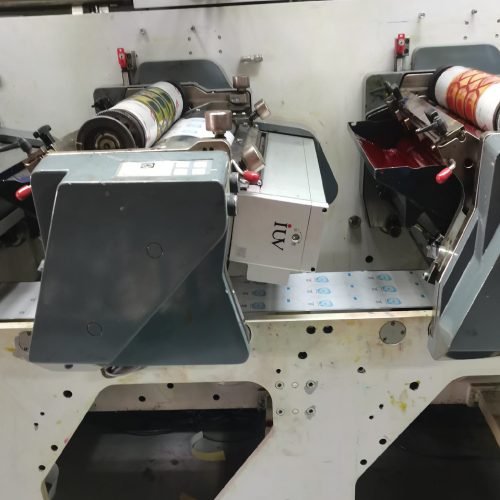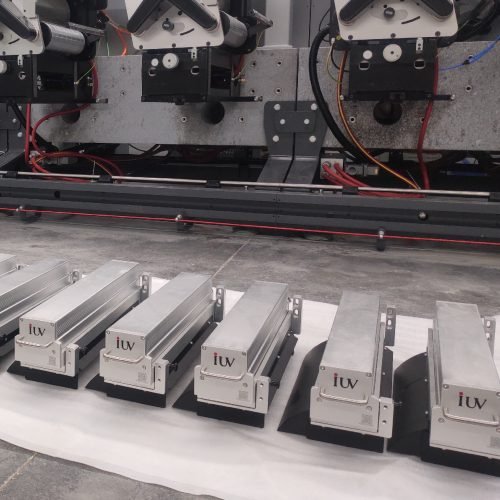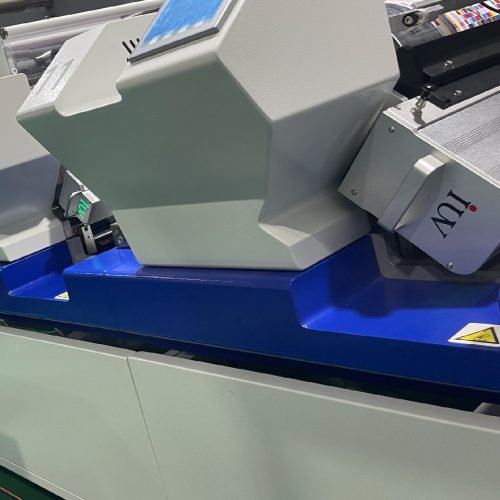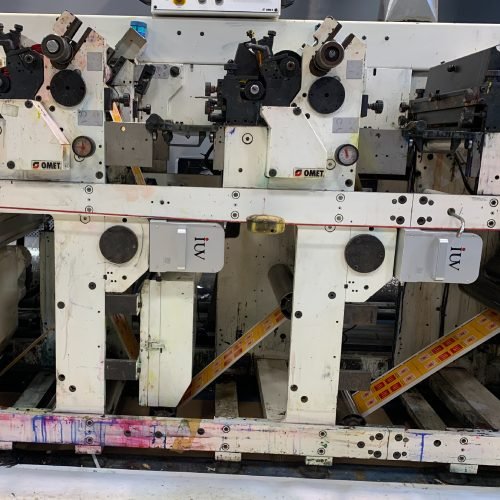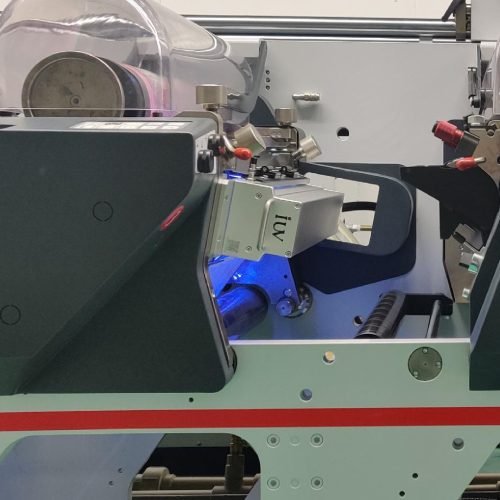
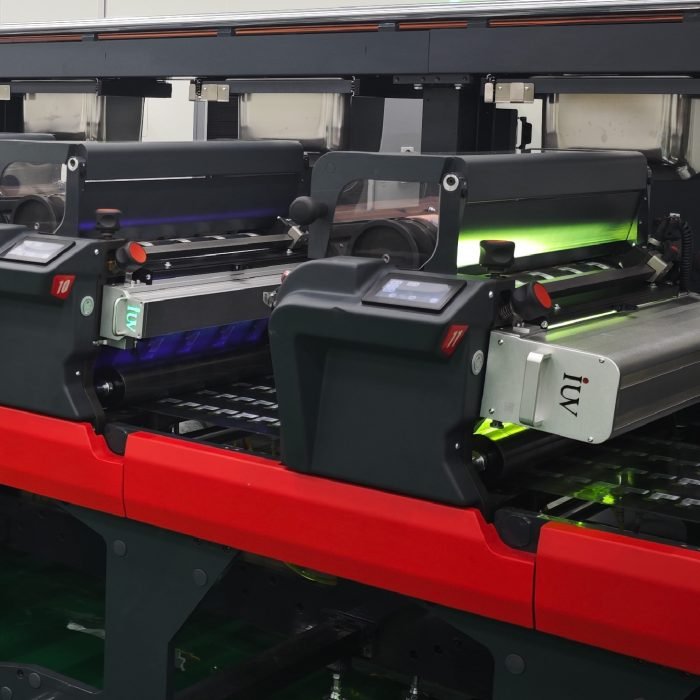
The printing industry faces increasing pressure to adopt more sustainable practices. Concerns about volatile organic compounds (VOCs) and energy consumption are paramount. Traditional curing methods, often involving heat or mercury-vapor lamps, contribute significantly to environmental impact and operational costs. This is where LED UV curing systems step in, offering a cleaner, more efficient alternative.
Understanding LED UV Curing Technology
LED UV curing utilizes light-emitting diodes (LEDs) to generate ultraviolet (UV) light. This light initiates a photochemical reaction within UV-curable inks, coatings, and adhesives, causing them to instantly solidify, or \”cure.\” Unlike conventional UV lamps, LEDs emit a narrower spectrum of light, are highly efficient, and have a much longer lifespan.
Benefits for Narrow Web Printing
Narrow web printing, commonly used for labels and flexible packaging, is a prime candidate for LED UV technology. The confined spaces and high-speed nature of these presses benefit immensely from the instant curing capabilities of LED UV. This allows for faster production speeds without compromising print quality or drying time.
Energy Efficiency and Reduced Footprint
One of the most compelling advantages of LED UV curing is its remarkable energy efficiency. LEDs consume significantly less power compared to traditional mercury lamps. This translates directly into lower electricity bills and a reduced carbon footprint for printing operations. Furthermore, LEDs generate less heat, leading to a cooler working environment and potentially reducing the need for extensive ventilation systems.
VOC Reduction and Improved Air Quality
UV-curable inks and coatings are inherently low in VOCs, and LED UV curing further enhances this benefit. The instant curing process means that very few, if any, VOCs are released into the atmosphere during printing. This leads to improved indoor air quality for print operators and helps businesses comply with increasingly stringent environmental regulations.
Longer Lamp Lifespan and Reduced Waste
LED UV lamps boast an impressive operational lifespan, often lasting tens of thousands of hours. This dramatically reduces the frequency of lamp replacements, minimizing downtime and the associated costs. It also cuts down on waste generated from discarded lamps, further contributing to a more sustainable workflow.
Applications in Label Printing
For the label printing sector, LED UV curing is a game-changer. It enables the printing of high-quality labels on a wide range of substrates, including films and foils, without the risk of heat distortion. The fast curing speeds allow for intricate designs and vibrant colors to be reproduced accurately, meeting the demands of brand owners for eye-catching packaging.
Enhanced Durability and Chemical Resistance
Labels often require resistance to abrasion, chemicals, and outdoor elements. UV-curable inks and coatings, when cured with LED UV systems, provide exceptional durability and resistance properties. This ensures that labels remain intact and legible throughout their intended lifecycle, from manufacturing and shipping to the point of sale and consumer use.
Versatility with Different Substrates
The lower heat output of LED UV systems makes them ideal for heat-sensitive substrates commonly used in label printing, such as thin films and certain plastics. This versatility allows printers to expand their service offerings and take on a wider variety of label projects.
The Role in Flexographic Printing
Flexographic printing, a cornerstone of packaging and label production, sees substantial improvements with LED UV curing. Traditional flexo often relies on heatset inks that require significant drying time and energy. LED UV allows for the use of UV-curable inks in flexo presses, enabling faster run speeds and immediate post-processing.
Instant Curing for Complex Jobs
Complex label designs, multi-layer applications, and specialty finishes are more achievable with LED UV in flexo. The instant cure prevents ink smudging or transfer between printing stations, ensuring sharp, well-defined images and text. This is particularly beneficial for short-run, variable data printing where quick turnaround times are essential.
Reduced Ink Migration Concerns
In food packaging, minimizing ink migration is critical. UV-curable inks, when properly cured, offer excellent barrier properties, reducing the potential for ink components to migrate into the product. LED UV curing ensures a complete and efficient cure, providing added assurance for food-safe printing applications.
Impact on Offset Printing Workflows
While offset printing has traditionally used different curing technologies, LED UV is making inroads, particularly in narrow web offset presses for labels and specialty printing. The benefits of reduced energy consumption, faster drying, and VOC-free operation are highly attractive.
Faster Turnaround and Reduced Inventory
The ability to print and finish jobs immediately after they come off the press with LED UV curing significantly speeds up production cycles. This allows printers to reduce lead times, respond more quickly to market demands, and potentially lower inventory levels of finished goods.
Improved Print Quality and Consistency
LED UV curing provides a consistent and controlled curing process. This leads to more predictable and repeatable print results, ensuring high-quality output job after job. The precise control over UV intensity and wavelength offered by LED systems contributes to this enhanced consistency.
Considerations for Implementation
While the advantages are clear, successful implementation of LED UV curing systems requires careful planning.
Ink and Coating Compatibility
It is vital to ensure that the inks and coatings used are specifically formulated for LED UV curing. Different LED wavelengths require specific photoinitiators in the ink to achieve optimal curing.
Press Integration and Retrofitting
Integrating new LED UV systems into existing printing presses, whether new installations or retrofits, needs expert consideration. Factors like space, power requirements, and ventilation must be assessed.
Wavelength Specificity
LED UV systems are available in various wavelengths (e.g., 365nm, 395nm, 405nm). The choice of wavelength often depends on the specific inks, coatings, and substrates being used. Consultation with equipment and ink manufacturers is recommended to determine the most suitable options.
The Future of Sustainable Printing
LED UV curing systems represent a significant leap forward in creating environmentally responsible printing workflows. Their energy efficiency, VOC reduction, and extended lifespan contribute to both ecological sustainability and economic viability. As the printing industry continues to prioritize greener practices, LED UV technology is poised to become an even more integral part of modern printing operations, from narrow web labels to broader industrial applications.