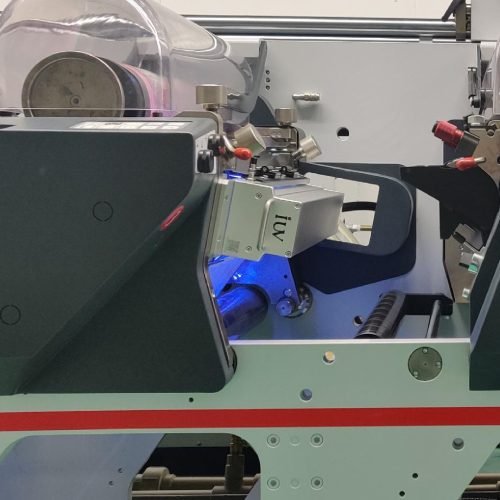
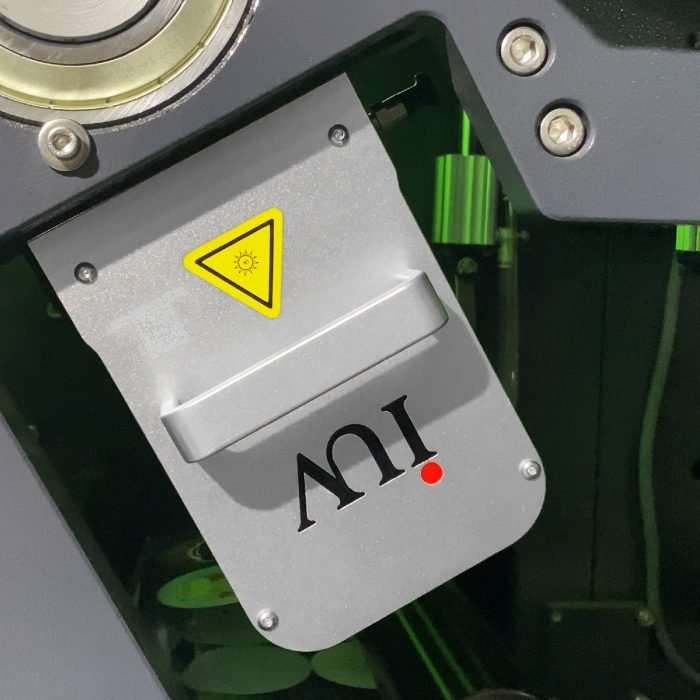
Achieving consistent and complete curing of inks is paramount in the printing industry. This is particularly true when working with high-opacity inks. These inks, designed to provide excellent coverage and vibrant color on a variety of substrates, can present unique challenges for the curing process. Traditional curing methods may struggle to effectively penetrate these dense ink layers. This can lead to under-cured ink, compromising print quality and durability. Fortunately, advancements in LED UV curing technology offer a powerful solution. This technology provides a targeted and efficient way to achieve perfect curing, even with the most demanding ink formulations.
The Challenge of High-Opacity Inks
High-opacity inks, often formulated with higher concentrations of pigments and fewer solvents, are favored for their ability to produce opaque results in a single pass. In label printing, for instance, this is crucial for creating eye-catching designs that stand out. Similarly, in flexible packaging, opacity ensures that print is visible even on metallic or colored films. However, the very density that makes these inks desirable also makes them difficult to cure. The photons emitted by traditional UV lamps may not have the energy or penetration depth to fully initiate the polymerization process throughout the entire ink film.
This incomplete curing can manifest in several ways. Smudging and scratching are common issues. Prints may feel tacky to the touch, even after seemingly adequate drying time. This compromises the tactile quality and can lead to costly downstream production problems. Furthermore, under-cured inks may not achieve their full chemical resistance. This is a critical failure point for products that require durability in challenging environments, such as those exposed to chemicals, moisture, or abrasion. In narrow web printing, where efficiency and speed are key, these issues can significantly impact profitability.
Understanding LED UV Curing Technology
LED UV curing technology utilizes light-emitting diodes (LEDs) to generate ultraviolet light. Unlike traditional mercury vapor lamps, LEDs emit light within a very specific wavelength range. This narrow bandwidth is precisely tuned to the absorption spectrum of photoinitiators present in UV-curable inks and coatings. This targeted approach means that more of the emitted energy is effectively used to drive the curing reaction.
The benefits of this precise wavelength emission are numerous. Firstly, it leads to more efficient and complete polymerization. The energy is delivered directly to the photoinitiators, ensuring that the ink cures from the surface down to the substrate. This is a significant advantage when dealing with thick, opaque ink layers. Secondly, LEDs generate less heat compared to mercury lamps. This is particularly beneficial for heat-sensitive substrates commonly used in label and flexible packaging printing. It reduces the risk of substrate distortion or degradation.
The Advantage in Flexographic Printing
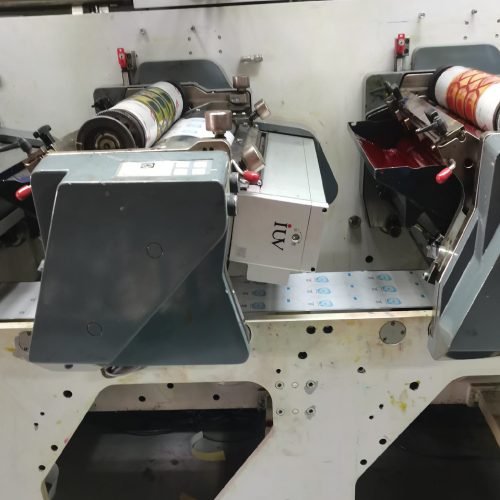
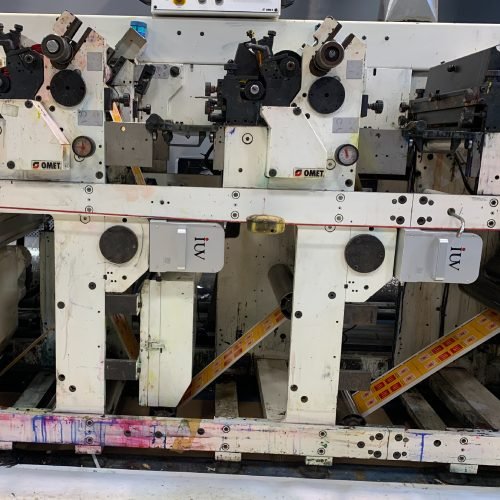
Flexographic printing, widely used for labels and packaging, relies on flexible printing plates. In this process, high-opacity inks are frequently employed to achieve bold graphics and vibrant colors. Achieving a perfect cure in flexo printing with these inks is essential for print integrity and performance. LED UV curing systems are increasingly being integrated into narrow web flexographic presses. Their instant on/off capability is a perfect match for the intermittent nature of flexo printing.
When using LED UV technology with high-opacity inks in flexography, printers can expect faster cure speeds. The efficiency of the wavelength-specific output means that less lamp power is required to achieve a full cure. This translates to higher press speeds and increased productivity. Furthermore, the consistent spectral output of LEDs, unlike the degradation experienced by mercury lamps over time, ensures consistent curing performance run after run. This uniformity is vital for maintaining brand color consistency and overall print quality.
Enhancing Offset Printing with LED UV
Offset lithography, while traditionally associated with different drying mechanisms like heatset or conventional inks, is also benefiting greatly from LED UV technology, especially in sheetfed and narrow web applications. High-opacity inks are used in offset for applications requiring superior coverage, such as posters, high-end packaging, and specialty labels. The challenge here, similar to flexo, is ensuring the dense ink film cures thoroughly without compromising the substrate or the press.
Integrating LED UV curing into offset presses, particularly for narrow web operations, allows printers to achieve immediate tack-free prints. This significantly speeds up post-press handling. For high-opacity inks, the targeted energy delivery of LEDs ensures that even the most opaque formulations cure rapidly and completely. This eliminates the need for extensive drying towers, saving space and energy. The reduced heat output is also a boon, preventing issues like paper curling or ink set-off on the back of the next sheet, which can be problematic with thicker ink layers.
Optimizing for Narrow Web Printing
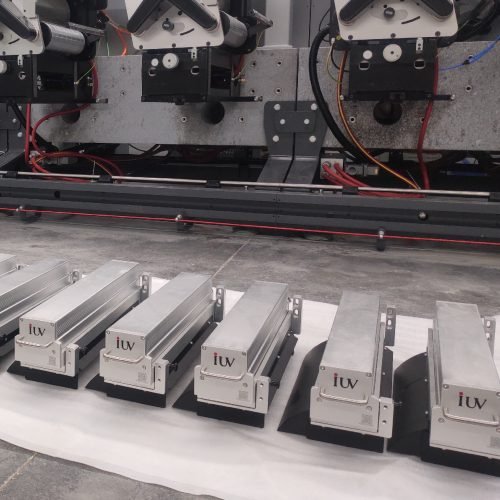
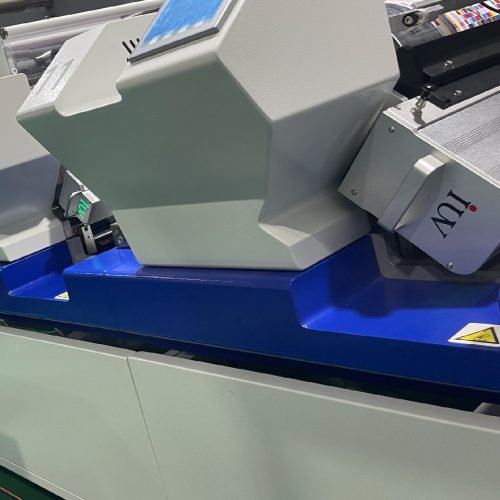
Narrow web printing, whether flexographic or offset, operates under stringent space and speed constraints. LED UV curing systems are inherently compact. Their modular design allows for easy integration into existing press lines without significant modifications. For high-opacity inks, the rapid and efficient curing provided by LEDs is a game-changer. It enables printers to achieve production-ready prints at high speeds, which is the lifeblood of narrow web operations.
The environmental benefits of LED UV are also noteworthy. LEDs are mercury-free, contributing to a safer working environment and easier disposal. They also consume significantly less energy than traditional UV lamps, leading to reduced operating costs and a smaller carbon footprint. When paired with high-opacity inks, this efficiency is amplified, as less energy is wasted on inefficient curing processes. This makes LED UV a more sustainable choice for modern label and packaging converters.
Best Practices for High-Opacity Ink Curing with LEDs
To maximize the benefits of LED UV technology when printing high-opacity inks, several best practices should be considered:
- Ink Formulation: Work closely with ink manufacturers to select UV-curable inks specifically designed for LED UV curing. These inks will contain photoinitiators optimized for the LED spectrum. For high-opacity applications, ensure the ink is formulated for sufficient penetration and reactivity.
- Wavelength Selection: Different LED UV systems operate at various wavelengths (e.g., 365 nm, 385 nm, 395 nm, 405 nm). It’s crucial to match the LED wavelength to the spectral sensitivity of the photoinitiators in your chosen ink system. Consult with your ink and equipment suppliers for recommendations.
- Irradiance and Dose: Irradiance (power density, measured in W/cm²) and total UV dose (energy density, measured in mJ/cm²) are critical. For high-opacity inks, higher irradiance and adequate dose are often required to ensure full cure. However, excessive irradiance without sufficient exposure time can lead to surface cure only, trapping uncured ink underneath.
- Exposure Time/Web Speed: The interaction between web speed and the length of the LED curing unit determines the exposure time. This needs to be carefully calculated to deliver the correct UV dose for complete polymerization, especially through dense ink layers.
- Substrate Considerations: While LEDs produce less heat, some substrates may still be sensitive. Test different substrates with your chosen ink and LED system to ensure no adverse effects occur.
- Monitoring and Verification: Regularly verify the cure quality. Tools like a rub tester, scratch tester, and chemical resistance tests are essential for confirming that the ink has fully cured, particularly for critical applications. Spectrophotometry can also be used to ensure color consistency, which is linked to proper curing.
Conclusion: The Future of Curing Demanding Inks
The challenges posed by high-opacity inks in printing are significant, but they are far from insurmountable. LED UV curing technology offers a precise, efficient, and adaptable solution. Whether in narrow web flexographic or offset printing, the ability of LEDs to deliver targeted energy at specific wavelengths ensures complete and rapid curing. This leads to enhanced print quality, improved durability, increased press speeds, and reduced operating costs. By understanding the principles of LED UV curing and adopting best practices, printers can confidently tackle even the most demanding ink formulations and achieve perfect results, consistently. This technology is not just an upgrade; it represents the future of reliable and high-performance UV curing.