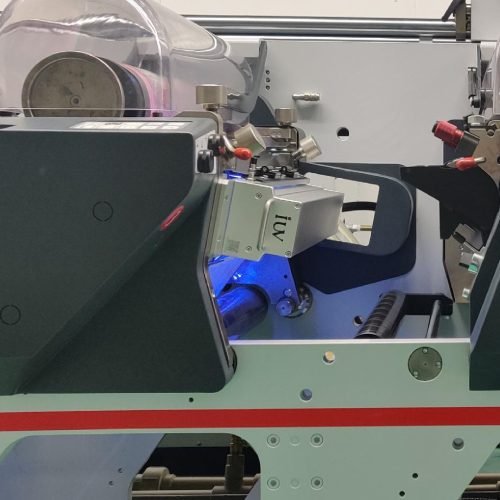
The flexographic printing industry is constantly seeking advancements to enhance efficiency, improve print quality, and meet stringent environmental demands. Within this landscape, high-intensity LED curing systems have emerged as a transformative technology, particularly for multi-substrate narrow web applications. This shift from traditional mercury lamps to advanced LED UV technology offers a compelling suite of benefits that are reshaping how label printers operate.
Understanding UV Curing in Flexography
At its core, UV curing involves using ultraviolet light to instantly solidify liquid inks, coatings, or adhesives. In flexography, this process is vital for achieving fast print speeds and durable, high-quality finishes. Traditional UV curing relied heavily on broadband mercury lamps. While effective, these lamps have inherent drawbacks, including high energy consumption, significant heat generation, and a limited lifespan. They also emit ozone and require frequent replacement, contributing to downtime and operational costs.
The LED Revolution: A Closer Look
High-intensity LED curing systems represent a significant leap forward. Instead of broadband UV, LEDs emit light at specific, narrow wavelengths. This targeted emission is highly efficient, meaning more energy is directed precisely at the photoinitiators within the ink or coating, leading to faster and more complete curing. This specificity is a game-changer.
Benefits for Multi-Substrate Applications
Flexo printers often work with a diverse range of substrates, from conventional papers and films to more challenging materials like recycled stocks, textured papers, and heat-sensitive films. High-intensity LED systems excel in these scenarios due to several key advantages:
- Lower Heat Generation: Unlike mercury lamps, LEDs produce very little heat. This is critical for printing on heat-sensitive substrates that can warp, shrink, or degrade under the intense heat of traditional lamps. This allows for greater substrate flexibility and opens up new application possibilities.
- Instant On/Off Capability: LEDs can be switched on and off instantaneously. This is invaluable in flexo printing, where print heads may not always be engaged with the substrate. It eliminates wasted energy and reduces heat buildup when the lamp is not actively curing.
- Energy Efficiency: LEDs are remarkably energy-efficient. They consume significantly less power than mercury lamps, leading to substantial savings on electricity bills. This not only impacts the bottom line but also aligns with growing industry and consumer demand for sustainable printing practices.
- Longer Lifespan: LED modules have a much longer operational life compared to mercury lamps, often lasting tens of thousands of hours. This drastically reduces downtime associated with lamp replacement, maintenance, and the associated costs.
- Consistent Output: High-intensity LEDs provide a stable and consistent UV output over their lifespan. This translates to more predictable curing results and greater batch-to-batch consistency in print quality.
- Durable Curing: The intense, targeted UV light from these systems ensures thorough and rapid curing of inks and coatings. This results in excellent adhesion, scratch resistance, and chemical resistance, crucial for demanding label applications.
Narrow Web Flexography: A Perfect Match
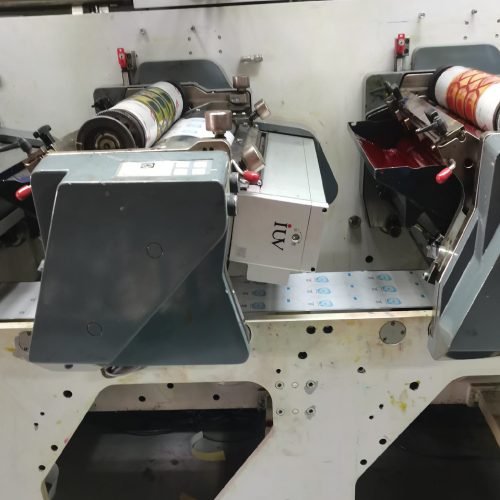
Narrow web flexography, commonly used for labels and flexible packaging, is an ideal environment for high-intensity LED curing. The compact nature of these printing presses, combined with the need for high speeds and versatile substrate handling, makes them a natural fit for LED technology. The ability to cure quickly and efficiently at the print station without affecting delicate substrates is paramount.
Ink and Coating Formulations for LED Curing
The advent of LED curing has also driven innovation in ink and coating formulations. UV-curable inks and coatings designed for LED systems contain specific photoinitiators that are highly sensitive to the narrow wavelengths emitted by LEDs. This ensures optimal curing performance and allows printers to achieve vibrant colors, sharp details, and robust finishes. It’s important for printers to work with ink suppliers who understand these specific formulation requirements to maximize the benefits of their LED curing investment.
Integration and Retrofitting
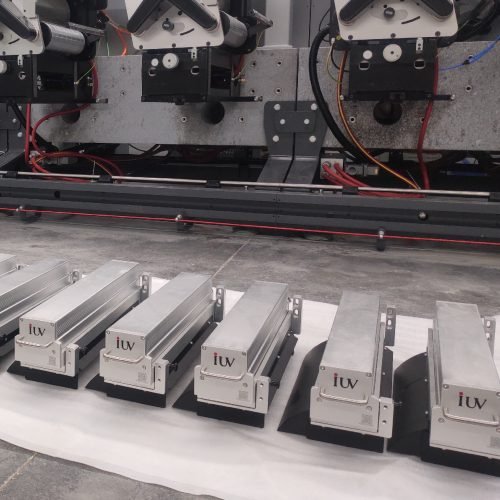
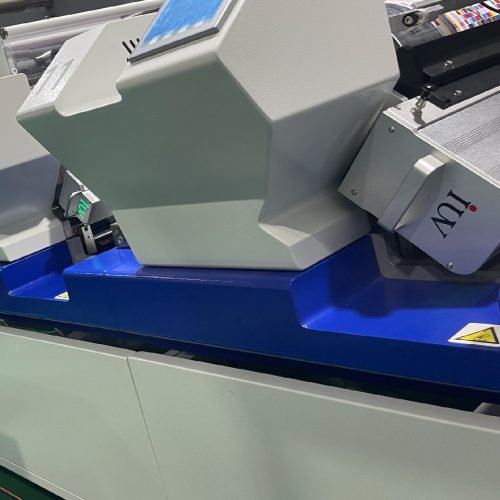
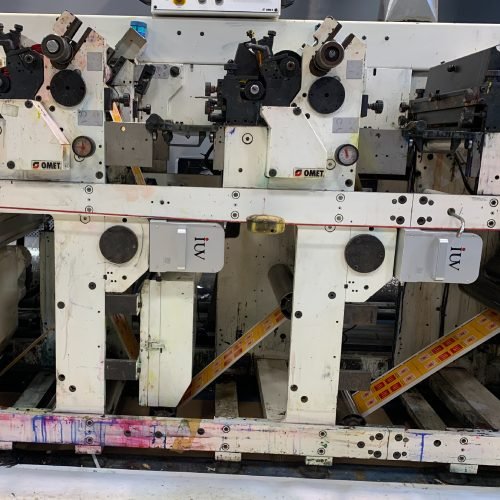
Integrating high-intensity LED curing systems into existing flexo presses is a common practice. Manufacturers offer solutions designed for easy retrofitting, allowing printers to upgrade their equipment without a complete overhaul. Careful consideration of the press speed, web width, and the specific substrate and ink requirements is essential for selecting the right LED system and ensuring optimal placement and power.
Cost-Benefit Analysis: The Long-Term View
While the initial investment in a high-intensity LED curing system might be higher than for traditional mercury lamps, the long-term operational cost savings are undeniable. Reduced energy consumption, significantly lower maintenance and replacement costs, and the ability to print on a wider range of substrates leading to new business opportunities contribute to a compelling return on investment. The environmental benefits, such as reduced ozone production and lower carbon footprint, also add significant value in today’s market.
The Future of Flexo Printing with LED Technology
High-intensity LED curing systems are not just a trend; they are a fundamental shift in UV curing technology for flexographic printing. Their ability to deliver superior performance, enhanced efficiency, and greater sustainability makes them an indispensable tool for printers looking to stay competitive in the dynamic narrow web market. As the technology continues to evolve, we can expect even more specialized applications and improved performance, further solidifying LED curing’s role in the future of label and packaging production.