The printing industry is constantly seeking advancements. Precision in reproduction is paramount. This is especially true for applications requiring intricate details. Think about security features, miniature text, or complex graphic elements. Achieving these with consistent quality presents a significant challenge. Traditional curing methods often fall short. They can introduce distortion or unevenness. This is where high-intensity LED curing systems truly shine. They offer a powerful solution for consistent micro-text and fine detail reproduction.
The Evolution of UV Curing in Printing
UV curing has been a staple in printing for decades. It uses ultraviolet light to instantly dry or “cure” inks, coatings, and adhesives. This process is much faster than traditional drying methods. It also allows for sharper print quality. Early UV curing relied on mercury vapor lamps. These lamps emitted a broad spectrum of UV light. They were effective but had drawbacks. They generated a lot of heat. This heat could affect the substrate. It could also lead to premature degradation of the lamps themselves. Furthermore, mercury lamps required significant warm-up and cool-down times. They also presented environmental disposal challenges.
Enter High-Intensity LED Curing
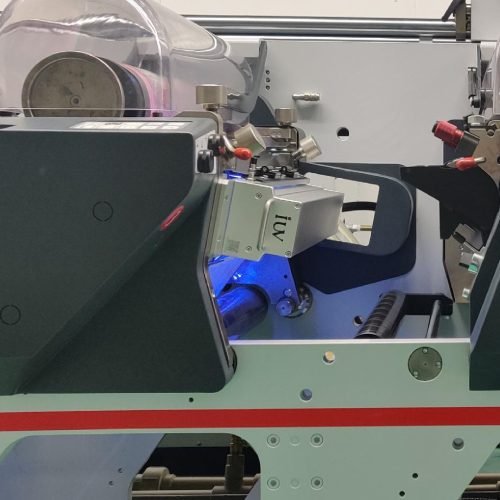
The advent of Light Emitting Diodes (LEDs) revolutionized UV curing. LED technology offers several distinct advantages. High-intensity LED curing systems focus on specific wavelengths. These wavelengths are highly efficient for initiating the polymerization process in UV-curable inks. This targeted approach means less wasted energy. It also means significantly less heat transfer to the substrate. This is a game-changer for heat-sensitive materials. Think about thin films or delicate paper stocks. The reduction in heat also contributes to longer equipment lifespan.
Precision for Micro-Text and Fine Details
Reproducing micro-text and fine details demands absolute control. This control extends to every aspect of the printing process. Ink laydown, dot gain, and, critically, the curing process all play a role. High-intensity LED curing systems provide unparalleled control over the curing energy. This is achieved through precise wavelength selection and uniform intensity distribution.
- Wavelength Specificity: LED emitters can be tailored to specific UV wavelengths. These wavelengths are precisely matched to the photoinitiators in the UV inks. This leads to a more efficient and complete cure. Inconsistent curing can result in soft edges. It can also lead to insufficient ink hardness. This directly impacts the legibility of tiny text and the sharpness of fine lines. High-intensity LEDs ensure a consistent, thorough cure every time.
- Uniform Intensity: The design of LED arrays allows for exceptionally uniform light intensity across the entire print width. This is crucial for narrow web printing and flexographic applications. Uneven curing can lead to variations in ink properties. Some areas might be over-cured, becoming brittle. Others might be under-cured, remaining tacky. For micro-text, this means subtle shifts in clarity and density. High-intensity LEDs deliver consistent energy, ensuring uniform cure across the label or print.
- Instant On/Off Capability: Unlike mercury lamps, LEDs turn on and off instantaneously. This eliminates warm-up periods. It also prevents energy waste during machine stops. For short runs or jobs with frequent starts and stops, this is a significant efficiency gain. More importantly, it ensures consistent curing conditions from the very first impression. There’s no ramp-up period where curing might be suboptimal.
Benefits Across Printing Technologies
The advantages of high-intensity LED curing extend across various printing sectors.
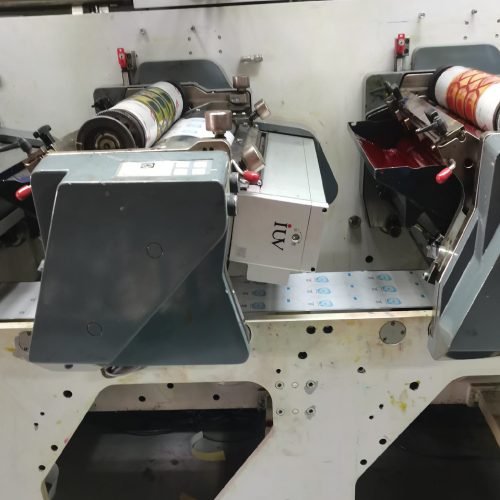
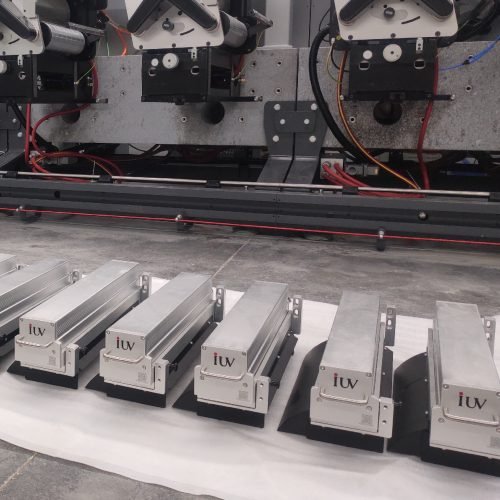
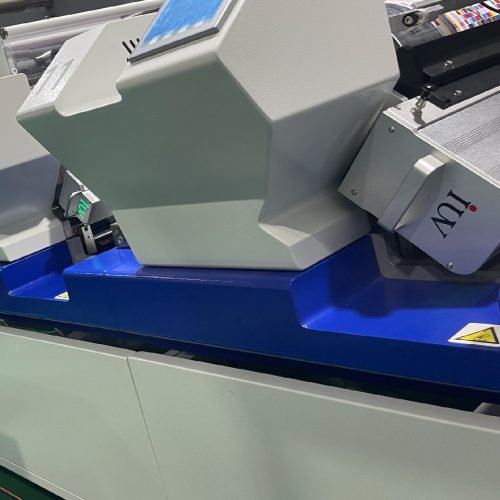
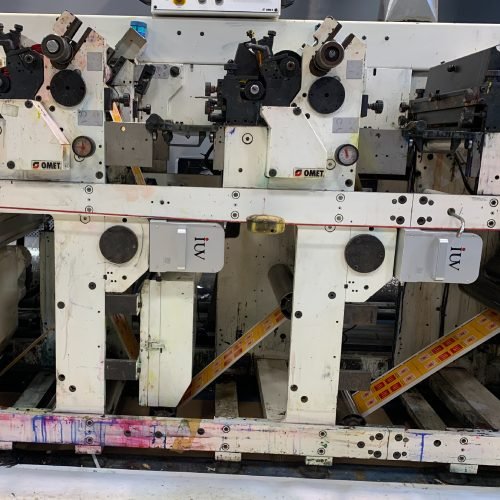
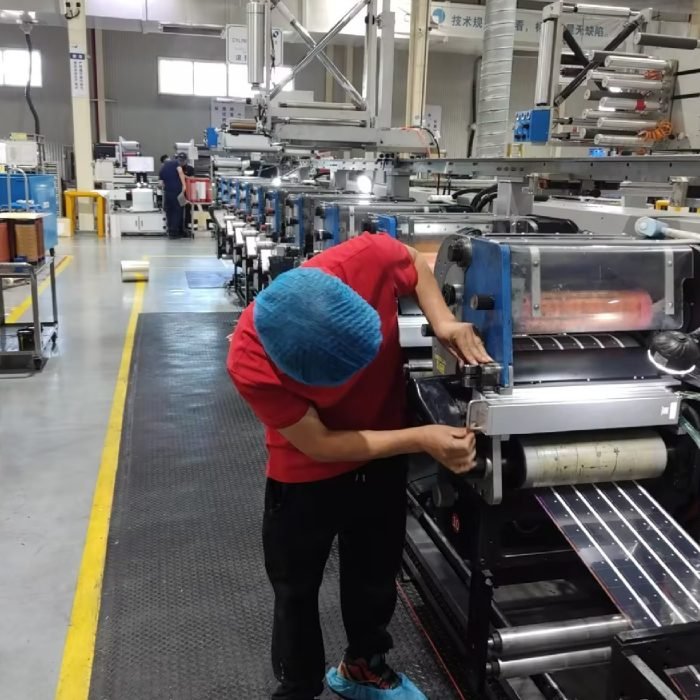
- Narrow Web and Label Printing: This sector is a prime beneficiary. Labels often feature small text, barcodes, and intricate graphics. The precision and consistency offered by LED curing are vital. Narrow web presses demand efficient drying solutions. The compact nature of LED heads also facilitates easy integration into existing press designs. This allows for upgrades without major structural modifications. The reduced heat is also beneficial for the wide range of substrates used in label printing, from paper to films.
- Flexographic Printing (Flexo): Flexography is widely used for packaging and labels. Achieving sharp dots and clean reverses is essential for high-quality flexo. High-intensity LEDs ensure that the ink is cured rapidly and uniformly. This minimizes dot gain. It also preserves the crispness of fine details. The ability to cure at higher press speeds without compromising quality is a major advantage for flexo printers looking to increase throughput.
- Offset Printing (Sheetfed and Web): While traditionally associated with different drying methods, UV offset printing is increasingly adopting LED technology. This is particularly true for narrow web offset presses and for applications requiring immediate handling. The ability to print on a wider range of substrates, including plastics and non-absorbent papers, is enhanced by precise UV curing. High-intensity LEDs ensure that even the smallest printed elements achieve full cure, maintaining their integrity.
The Impact on Substrates and Ink Formulations
The reduced heat output from LED systems allows printers to work with a broader spectrum of substrates. Delicate films, heat-sensitive plastics, and even some papers can be printed without distortion or damage. This opens up new possibilities for product packaging and labeling.
Furthermore, LED curing is compatible with a wide range of UV-curable ink and coating formulations. Formulators are continually developing inks optimized for specific LED wavelengths. This ensures maximum curing efficiency and performance. The result is inks that are not only dry but also durable, resistant to abrasion, and chemically stable, all while maintaining the integrity of the finest print features.
Addressing Challenges and Future Outlook
While the benefits are clear, adopting new technology always involves considerations. The initial investment in high-intensity LED curing systems can be higher than for traditional mercury lamp systems. However, the long-term savings in energy consumption, reduced maintenance, and waste, coupled with the enhanced print quality and expanded substrate capabilities, often provide a rapid return on investment.
The future of printing is increasingly geared towards efficiency, sustainability, and unparalleled quality. High-intensity LED curing systems are at the forefront of this evolution. They provide the precision and consistency needed to reproduce micro-text and fine details with stunning clarity. As the technology continues to advance, we can expect even greater integration and innovation. This will further empower printers to meet the most demanding print requirements. For businesses focused on producing high-quality labels and prints with intricate elements, embracing high-intensity LED curing is not just an upgrade; it’s a strategic imperative.