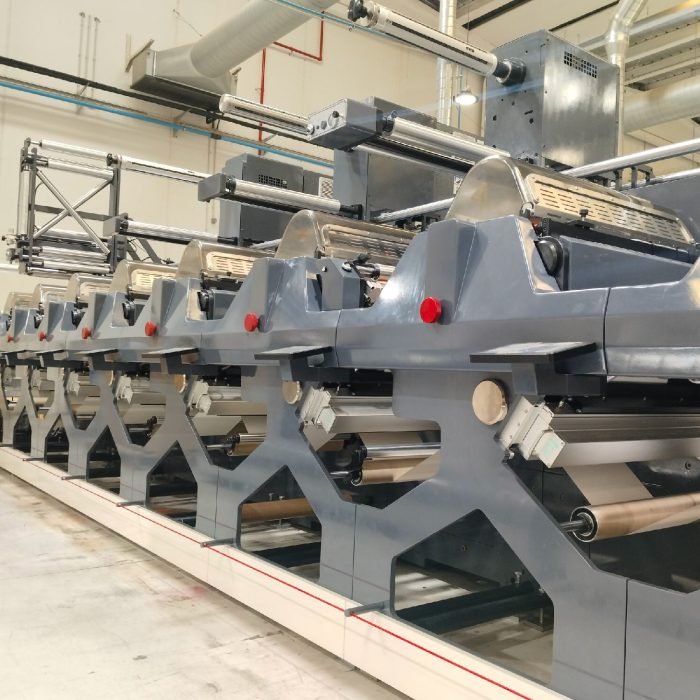
The landscape of narrow-web flexography is undergoing a significant evolution, particularly within the demanding realm of premium packaging. At the heart of this transformation lies the burgeoning adoption of LED UV curing technology. This shift is not merely an incremental upgrade; it represents a fundamental redefinition of what is achievable in terms of print quality, operational efficiency, and environmental sustainability for brands seeking to elevate their packaging.
The Ascent of LED UV in Narrow-Web Flexo
For years, conventional UV curing systems have been a staple in flexographic printing. They offered a faster drying solution compared to traditional methods, enabling higher production speeds and the use of specialized inks and coatings. However, these systems, often relying on mercury vapor lamps, came with inherent drawbacks. They generated substantial heat, required significant energy consumption, and posed environmental concerns due to ozone production and the disposal of mercury-containing components.
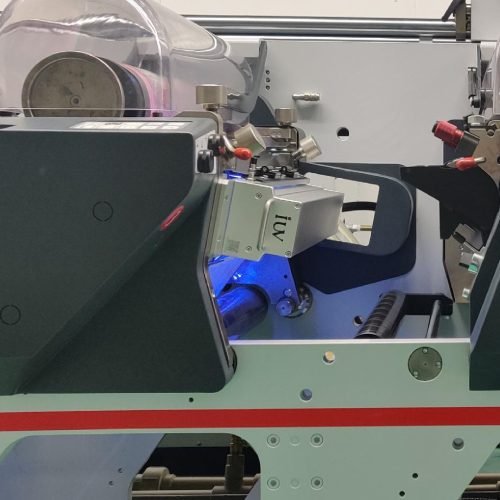
Enter LED UV curing. This technology, leveraging Light Emitting Diodes (LEDs) as the UV light source, offers a compelling alternative. Unlike mercury lamps, LEDs emit UV light at specific wavelengths, precisely matched to the photoinitiators in UV-curable inks and coatings. This targeted approach translates into several key advantages that are particularly impactful for narrow-web flexo printing, especially when aiming for the discerning standards of premium packaging markets.
Enhanced Curing Efficiency and Ink Performance
One of the most immediate benefits of LED UV is its superior curing efficiency. Because the light spectrum is precisely controlled, LED systems can achieve a more thorough and consistent cure of UV inks and coatings. This is critical for premium packaging, where vibrant colors, sharp detail, and tactile finishes are paramount.
For flexographic printing, this means that inks can be cured rapidly and effectively, even on challenging substrates like flexible films and sensitive papers. The result is a more robust ink film that resists scuffing and scratching, essential for packaging that endures the rigors of the supply chain and handling by consumers. Furthermore, the precise wavelength control allows for optimized curing of low-migration inks, a growing concern in food and pharmaceutical packaging where regulatory compliance is non-negotiable.
Substrate Versatility and Quality
The ability to print on a wider range of substrates is another area where LED UV shines. Traditional UV systems, with their high heat output, could cause dimensional instability or distortion in heat-sensitive materials. LED UV lamps, in contrast, emit very little heat. This low-temperature curing process opens up new possibilities for printing on delicate films, thin papers, and even some metallized or holographic substrates without compromising their integrity.
For premium packaging, this versatility translates directly into design flexibility. Printers can now offer a broader spectrum of aesthetic and tactile effects, utilizing substrates that were previously off-limits. The enhanced ink adhesion and durability also contribute to a superior end-product, ensuring that the visual appeal and brand messaging remain intact from production to point-of-sale.
Reduced Energy Consumption and Environmental Footprint
In today’s market, sustainability is no longer a niche concern; it’s a core expectation, especially from premium brands. LED UV systems offer a significant advantage in this regard. They consume considerably less energy than their mercury vapor counterparts, often boasting a reduction of up to 70-80%. This translates into lower operating costs and a smaller carbon footprint, aligning with the sustainability goals of many premium packaging manufacturers and their clients.
Moreover, LED UV lamps are mercury-free, eliminating the environmental hazards associated with mercury disposal. They also produce virtually no ozone, simplifying exhaust ventilation requirements and further reducing the environmental impact. The longer lifespan of LED lamps compared to mercury lamps also means fewer replacements and less waste.
Operational Advantages for Narrow-Web Flexo
Beyond quality and sustainability, LED UV curing brings tangible operational benefits to the narrow-web flexo environment. The instant on/off capability of LEDs means there is no warm-up or cool-down period, leading to faster job changeovers and reduced setup waste. This translates into increased press uptime and higher overall productivity.
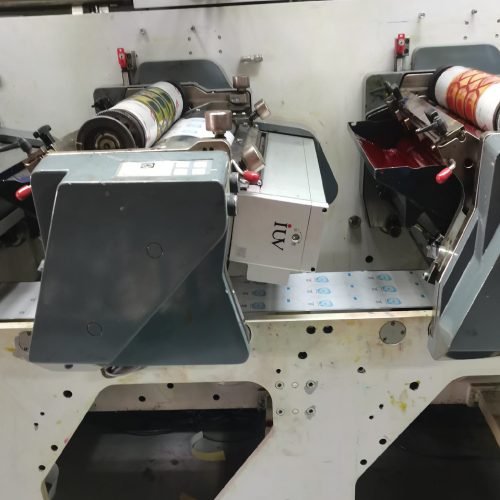
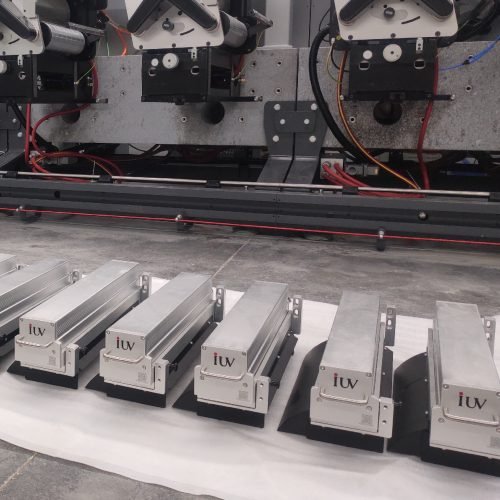
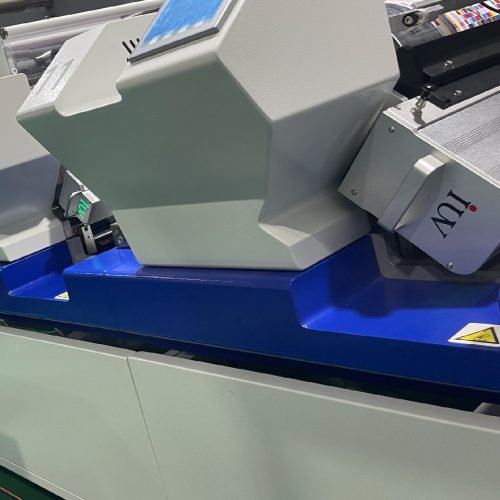
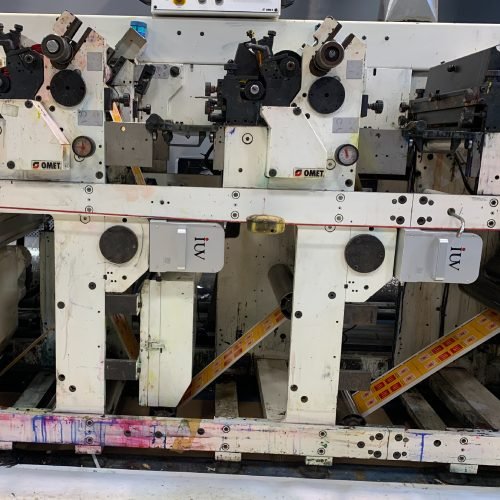
The compact nature of LED UV curing systems also allows for easier integration into existing narrow-web presses, often requiring less physical space than traditional UV units. This is a significant consideration for printers looking to upgrade their capabilities without undertaking major press modifications. The reduced heat load on the press also contributes to more stable printing conditions, leading to more consistent print quality throughout a run.
The Role of LED UV in Specific Label and Packaging Applications
The impact of LED UV curing is particularly pronounced in segments of the premium packaging market that rely heavily on narrow-web flexography.
High-End Labels: For wine, spirits, cosmetics, and specialty food products, labels are often the first point of consumer interaction. LED UV allows for the reproduction of incredibly fine details, sharp text, and vibrant colors on a variety of substrates, including textured papers and special films. The ability to apply tactile varnishes and special effects with precision, cured instantly by LED UV, adds a sensory dimension that elevates the perceived value of the product. The durability imparted by LED UV curing ensures these premium labels withstand handling and exposure without degradation.
Shrink Sleeves and Flexible Packaging: Narrow-web flexo is increasingly used for shrink sleeves and smaller flexible packaging runs. Printing on these materials, which often require specialized inks and coatings to adhere properly and withstand stretching, benefits immensely from the precise and efficient curing of LED UV. The low heat output prevents premature shrinking or distortion of the material during the printing process, ensuring accurate registration and dimensional stability.
Security and Brand Protection Features: In the premium market, counterfeit prevention is a major concern. LED UV enables the application of specialized inks for security features, such as optically variable inks (OVIs) or fluorescent inks, with precise control. The robust cure ensures these features remain intact and effective, contributing to brand integrity.
Extended Color Gamuts and Special Effects: As print technology advances, so does the demand for extended color gamuts (e.g., printing with seven or nine colors) and sophisticated special effects. LED UV’s ability to cure a wider range of inks and coatings, including those with unique optical properties or textures, facilitates these advanced print techniques. This allows printers to offer visually striking and unique packaging solutions that capture attention on crowded shelves.
Overcoming Implementation Challenges
While the benefits are clear, the transition to LED UV curing isn’t without its considerations. The initial investment in LED UV curing equipment can be higher than for some conventional systems. However, the long-term savings in energy consumption, reduced waste, and increased productivity often provide a compelling return on investment.
Furthermore, the ink and coating formulations need to be compatible with LED UV technology. While the market has rapidly expanded its offerings, printers may need to work closely with ink manufacturers to select or develop formulations that perform optimally with their chosen LED UV system’s specific wavelength output. Similarly, ensuring press compatibility and proper integration of the LED UV units is a crucial step.
The Future is Cured
The integration of LED UV curing technology into narrow-web flexography is not a fleeting trend; it is a foundational shift that is fundamentally reshaping the premium packaging market. The ability to achieve unparalleled print quality, enhance substrate versatility, improve operational efficiency, and meet stringent sustainability demands makes LED UV an indispensable tool for label and packaging converters looking to excel.
As brands continue to prioritize visually appealing, tactile, and environmentally responsible packaging, the demand for the capabilities offered by LED UV in narrow-web flexo will only intensify. Printers who embrace this technology are not just upgrading their equipment; they are investing in their future, positioning themselves as leaders in delivering the next generation of premium packaging solutions. The precision, efficiency, and sustainability offered by LED UV are the key ingredients for success in this competitive and evolving market.