In the competitive landscape of label printing, achieving superior adhesion and vibrant ink density is paramount. Brands constantly seek packaging that pops off the shelf, conveying quality and durability. Modern flexographic printing, particularly when powered by advanced LED UV curing technology, offers a compelling solution. This technology revolutionizes how inks are applied and solidified, leading to tangible improvements in both the physical bond of the ink to the substrate and the visual richness of the printed image.
The evolution of printing has seen a continuous push for greater efficiency and higher quality. Traditional UV curing methods, while effective, came with their own set of challenges. These often included significant heat generation, a broader light spectrum that could affect sensitive substrates, and higher energy consumption. The advent of LED UV curing has addressed many of these limitations, paving the way for more consistent and superior print outcomes, especially in narrow web applications where precision is key.
Understanding Adhesion in Flexographic Printing
Adhesion refers to the ability of ink to bond with the printing substrate. For labels, this is critical for longevity and performance. A label that peels, scratches, or fades quickly fails its primary purpose. In flexographic printing, inks are transferred from an anilox roll to a printing plate, and then to the substrate. The rheology of the ink and the curing process play vital roles in achieving strong adhesion.
Several factors influence adhesion. The surface energy of the substrate is a primary consideration. A substrate with low surface energy, such as many plastics used in packaging, requires inks that can effectively wet and bond to its surface. Ink formulation is also crucial. Adhesion promoters within the ink chemistry help bridge the gap between the ink polymer and the substrate. Furthermore, the curing mechanism itself is fundamental. For a UV-curable ink, complete polymerization—the process where liquid monomers and oligomers transform into a solid, cross-linked polymer—is essential for optimal adhesion. Incomplete curing leaves unreacted components, compromising the ink’s integrity and its bond to the substrate.
The Role of Ink Density and Visual Impact
Ink density, in printing terms, refers to the amount of ink deposited on the substrate and the opacity of that ink. High ink density translates to bolder, more vibrant colors and sharper details. For label printers, this means the ability to reproduce intricate designs and logos with clarity and impact. It also relates to color accuracy and the ability to achieve specific brand colors consistently.
Achieving good ink density in flexography often involves balancing ink transfer, print speed, and curing efficiency. If ink transfer is too low, the print will appear thin and washed out. If the print speed is too high for the curing system, the ink may not fully solidify, leading to smudging or poor ink holdout. The quality of the ink itself, including pigment concentration and particle size, also contributes significantly to the final density and visual appeal.
Introducing LED UV Curing Technology
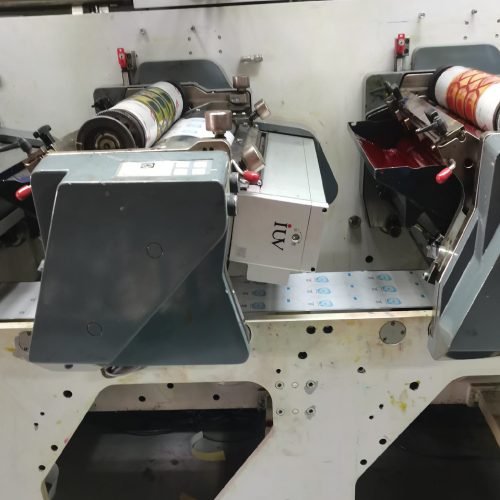
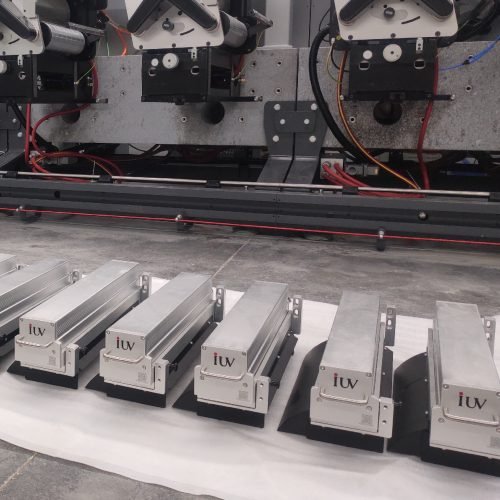
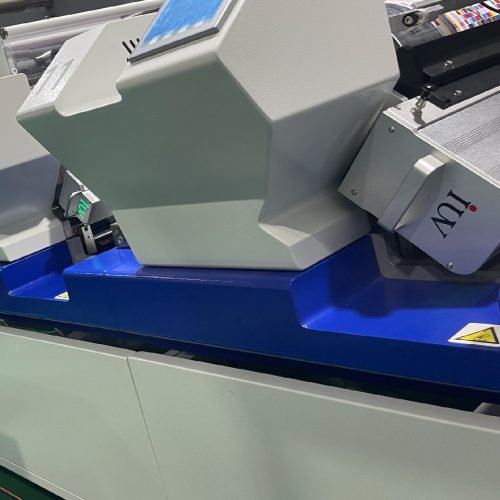
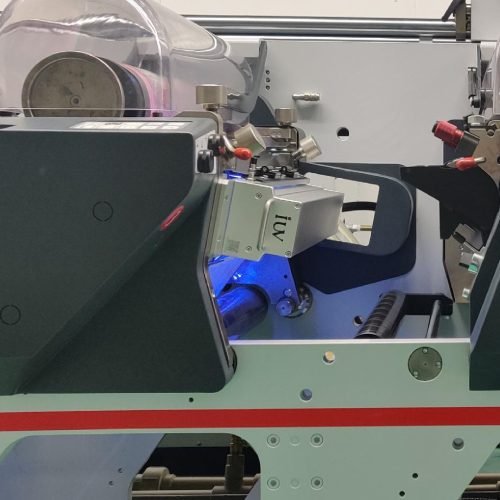
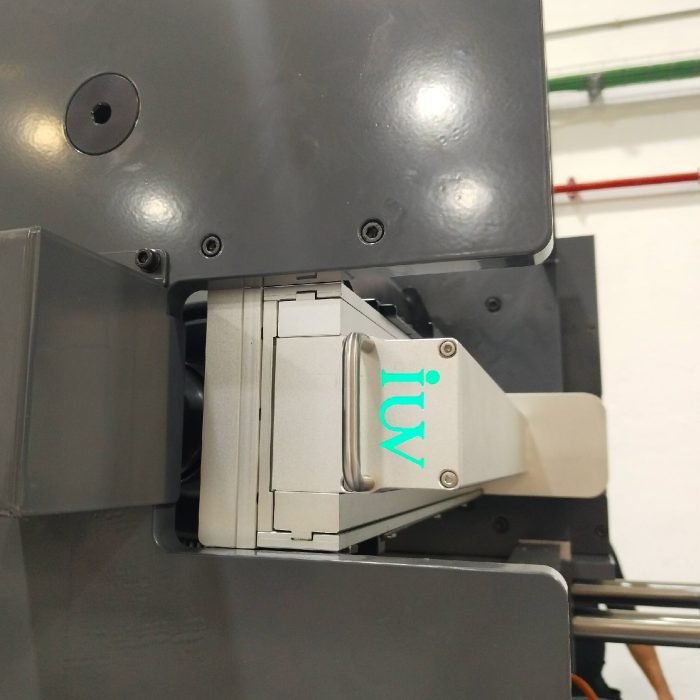
Light Emitting Diode (LED) UV curing is a modern advancement over traditional mercury lamp UV systems. Instead of a broad spectrum of UV light, LED lamps emit light within a narrow, specific wavelength range. This targeted emission is highly efficient at initiating the photoinitiators within UV-curable inks, causing rapid polymerization.
The advantages of LED UV systems are numerous. They offer instant on/off capabilities, meaning energy is only consumed when the lamp is active, unlike mercury lamps that require a warm-up and cool-down period. This also contributes to a longer lifespan for the lamps. Importantly, LED systems generate significantly less heat. This is particularly beneficial for printing on heat-sensitive substrates, preventing warping or damage, and improving operator comfort. The focused wavelength also means that less energy is wasted, and the curing process can be more precise.
How LED UV Flexo Enhances Adhesion
The efficiency and targeted nature of LED UV curing directly impact ink adhesion. When LED lamps emit their specific wavelength, they efficiently activate the photoinitiators in the ink. This leads to a rapid and thorough polymerization of the ink film. A fully polymerized ink film is a robust, solid structure. This solid structure has better intrinsic cohesive strength, meaning the ink particles are tightly bound together. It also ensures a stronger adhesive bond to the substrate surface.
The lower heat output from LED lamps can also indirectly benefit adhesion. Excessive heat from traditional lamps can sometimes alter the surface properties of certain substrates or affect the ink before it has fully cured. By maintaining a cooler print zone, LED UV curing ensures that the polymerization process happens under more controlled conditions, leading to a more uniform and stronger bond. Furthermore, the rapid curing means the ink is less likely to migrate or deform before it solidifies, preserving the integrity of the printed layer and its connection to the substrate. This is especially important for functional labels that need to withstand environmental stresses.
Achieving Superior Ink Density with LED UV Flexo
LED UV flexo technology plays a significant role in boosting ink density and visual vibrancy. The efficient and rapid curing means that inks are solidified almost instantaneously as they are exposed to the LED light. This quick solidification prevents the ink from spreading or losing its deposited volume on the substrate. This “ink holdout” is critical for maintaining the thickness and opacity of the ink film, directly contributing to higher perceived ink density.
The precise control offered by LED systems allows printers to run at higher speeds without compromising cure quality. This means that even at faster production speeds, the ink can be fully cured, ensuring that the deposited pigment remains in place and its full color potential is realized. The consistency of LED light output, even as the lamps age, also contributes to uniform curing across long print runs. This uniformity is essential for maintaining consistent ink density and color throughout the job.
Moreover, the efficient polymerization ensures that the ink film develops its full opacity. This means that even on substrates that might be less than perfectly white or have inherent color, the printed colors appear rich and opaque, masking the substrate color effectively and delivering a vibrant, high-impact visual. This is particularly advantageous for printing white ink or for creating demanding color builds in process printing.
Applications in Narrow Web and Label Printing
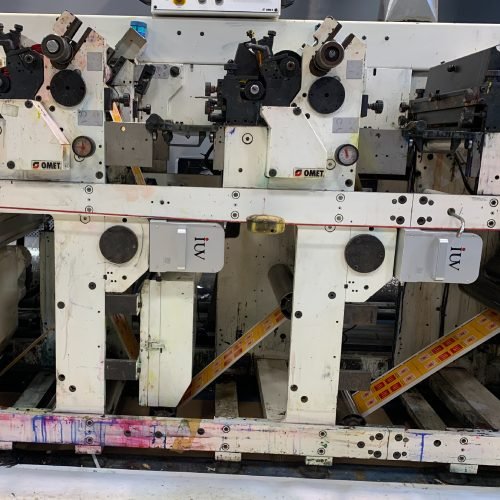
Narrow web flexography is the backbone of the label printing industry, and LED UV technology has become a game-changer in this sector. Many label applications demand high performance, including resistance to chemicals, abrasion, and outdoor exposure. Achieving superior adhesion ensures that these labels remain intact and legible under various conditions. The enhanced ink density means that eye-catching graphics and critical product information are always clear and impactful.
For printers specializing in food and beverage labels, pharmaceuticals, or cosmetic packaging, the reliability of print is non-negotiable. LED UV flexo’s ability to deliver consistent adhesion and vibrant density contributes to brand integrity and consumer trust. The reduced heat also makes it an ideal choice for printing on sensitive materials like thin films or foils, which are commonly used in these markets.
Conclusion: A Brighter Future for Label Printing
The integration of modern LED UV flexo technology represents a significant leap forward for label printers. By providing a more efficient, cooler, and precise curing method, it directly addresses two fundamental aspects of print quality: adhesion and ink density. This translates to more durable, visually appealing labels that meet the demanding requirements of brands and consumers alike. For any printer looking to elevate their output and gain a competitive edge, embracing LED UV flexo is a strategic move towards achieving superior print results and a more sustainable printing process.