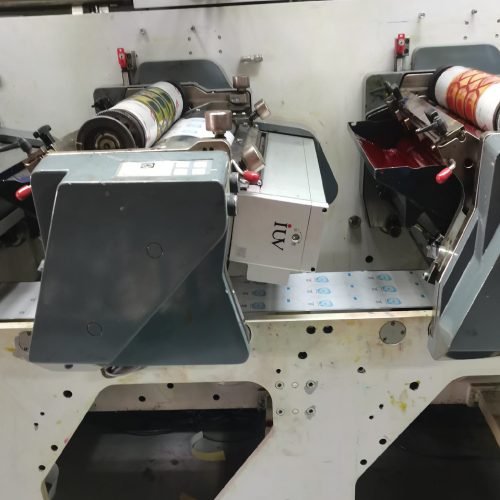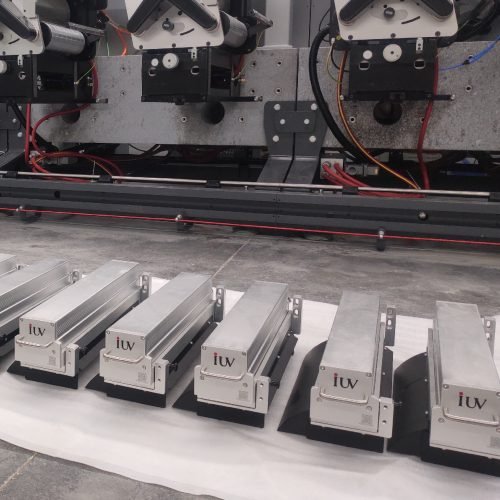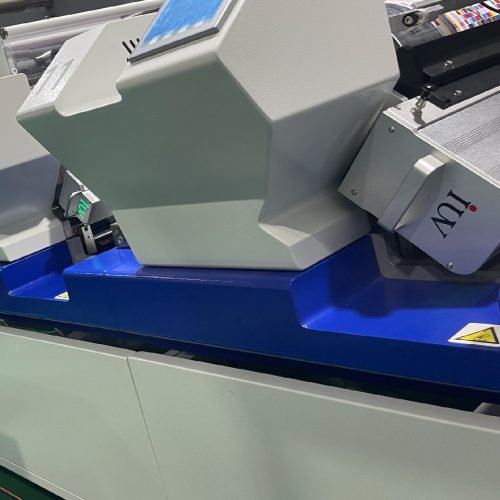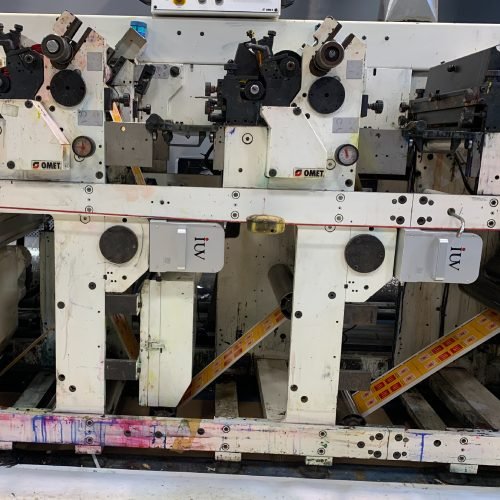
The printing industry is in constant evolution, driven by both technological advancements and an ever-increasing demand for sustainability. For manufacturers of narrow-web labels, this shift presents a unique opportunity to innovate and embrace more environmentally friendly practices. One of the most significant breakthroughs in this area is the adoption of low-energy narrow-web LED flexo curing. This technology is not just a trend; it’s a fundamental change in how we approach label production, offering substantial benefits for both the planet and the bottom line.
The Flexographic Advantage in Narrow-Web Printing
Flexography, or flexo printing, has long been the workhorse for narrow-web label production. Its inherent flexibility allows it to print on a wide variety of substrates, from films and foils to paper, with remarkable speed and efficiency. The process uses raised flexible printing plates that transfer ink to the substrate. This makes it ideal for the high-volume, fast-turnaround nature of the label market. Narrow-web presses, specifically designed for printing narrower rolls of material, are the backbone of this sector. They are optimized for producing labels, tags, and other small-format printed products efficiently.
The Evolution of UV Curing: From Mercury to LED
Traditionally, UV curing in flexo printing relied on mercury vapor lamps. While effective, these lamps come with several drawbacks. They consume a considerable amount of energy, generate significant heat, and contain hazardous materials. Their operational life is also limited, requiring frequent replacement and disposal of mercury-containing components. The heat generated by mercury lamps can also be problematic, potentially affecting sensitive substrates or requiring energy-intensive cooling systems.
Enter LED UV curing. Light Emitting Diodes (LEDs) represent a paradigm shift. Instead of a broad spectrum of UV light, LEDs emit a specific wavelength of UV radiation. This targeted approach is far more energy-efficient. It also produces significantly less heat, often referred to as “cool curing.” This translates into a more stable printing environment and opens up possibilities for printing on heat-sensitive materials that were previously challenging with traditional UV systems.
Low-Energy LED Curing: A Sustainable Choice
The “low-energy” aspect of narrow-web LED flexo curing is where its sustainability credentials truly shine. Because LEDs are highly efficient in converting electrical energy into UV light, they use substantially less power than mercury lamps. This reduction in energy consumption directly translates to a smaller carbon footprint for the printing operation. For a busy label manufacturing facility, the energy savings can be quite substantial over time.
Furthermore, the reduced heat output means less demand on facility cooling systems. In many cases, dedicated air conditioning for the printing press area might become less critical, contributing to further energy savings and a more comfortable working environment. The lifespan of LED systems is also considerably longer than mercury lamps, meaning fewer replacements and less waste generated. This longevity also reduces downtime associated with lamp changes, boosting overall productivity.
Benefits for Narrow-Web Label Production
The advantages of low-energy LED UV curing extend beyond just environmental considerations and energy costs. For narrow-web label printers, there are several key operational benefits:
- Improved Print Quality: The precise wavelength output of LEDs can lead to sharper dot definition and more vibrant colors. This is because the curing process is more controlled, minimizing ink spread and ensuring a more consistent cure across the printed area. This is critical for high-detail graphics and sharp text found on many labels.
- Faster Production Speeds: While some early UV LED systems might have presented speed limitations, modern advancements have significantly increased their curing power. This allows printers to achieve faster press speeds without compromising cure quality. This directly impacts throughput and the ability to meet demanding client deadlines.
- Substrate Versatility: The “cool curing” nature of LED UV is a game-changer. Printers can now confidently run heat-sensitive substrates like thin films, certain plastics, and even some types of recycled paper without concerns of warping, shrinkage, or degradation. This expands the range of label applications a printer can offer.
- Instant On/Off Capability: Unlike mercury lamps that require a warm-up period, LEDs can be switched on and off instantaneously. This is incredibly useful in a flexo environment where jobs might involve frequent stops and starts for registration adjustments or material changes. It eliminates wasted energy and time waiting for lamps to reach optimal output.
- Reduced VOC Emissions: While UV inks are generally low in Volatile Organic Compounds (VOCs) compared to solvent-based inks, the efficiency of LED curing ensures a more complete polymerization of the ink. This means less unreacted ink components are released, contributing to a healthier working environment and reducing the need for extensive exhaust ventilation systems.
- Minimal Ozone Production: Mercury lamps produce ozone as a byproduct. LEDs, on the other hand, produce very little to no ozone. This further improves air quality within the print shop and reduces the need for ozone extraction equipment.
Integrating LED UV Curing into Flexo Presses
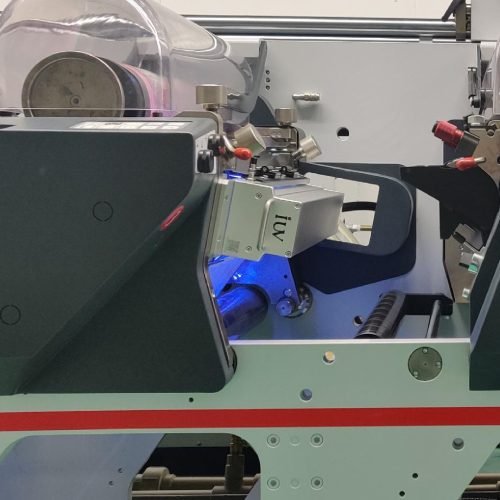
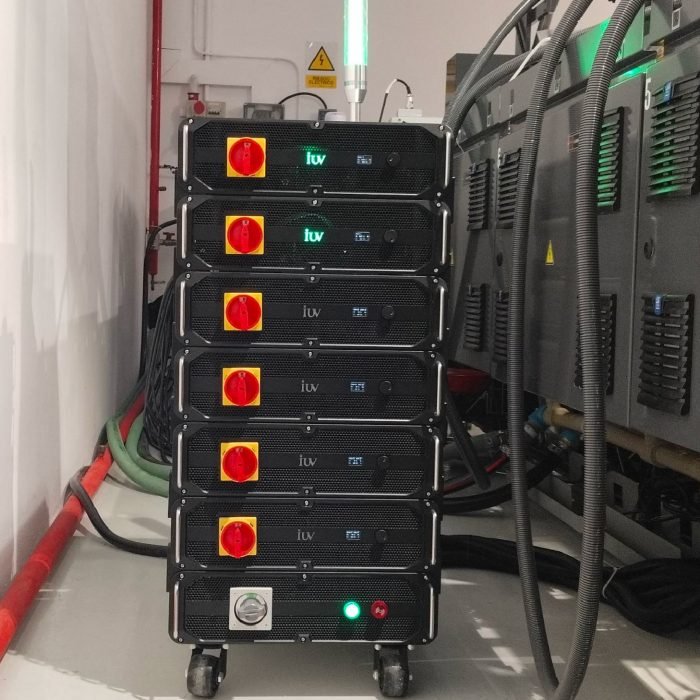
Modern narrow-web flexo presses are increasingly designed with integrated LED UV curing stations. Retrofitting older presses is also a viable option, though it requires careful consideration of space, power requirements, and ventilation. When selecting an LED curing system, it’s important to consider:
- Wavelength: The most common wavelengths for UV LED curing in printing are around 365 nm, 385 nm, 395 nm, and 405 nm. The choice of wavelength depends on the specific UV inks and coatings being used. Compatibility is key to achieving a full cure.
- Irradiance: This refers to the intensity of the UV light delivered to the substrate, measured in watts per square centimeter (W/cm²). Higher irradiance generally means faster curing speeds.
- Dose: This is the total amount of UV energy delivered, calculated as irradiance multiplied by exposure time. Achieving the correct UV dose is crucial for proper ink and coating performance.
- Cooling: While LEDs generate less heat, they still require adequate cooling to maintain optimal performance and longevity. This is typically achieved through air or water cooling systems integrated into the lamphead.
- Placement: For flexo presses, the placement of the LED curing units between print stations, at the end of the press, or in a delam-retouch application is critical for workflow efficiency.
Addressing Concerns and Future Outlook
While the benefits are clear, some printers might have initial concerns about the upfront investment in LED UV technology. However, the long-term savings in energy, reduced waste, increased productivity, and potential for new business opportunities often outweigh the initial costs. The operational lifespan and lower maintenance requirements of LED systems also contribute to a favorable total cost of ownership.
The future of narrow-web label manufacturing is undoubtedly leaning towards more sustainable and efficient technologies. Low-energy LED flexo curing is at the forefront of this movement. As the technology continues to mature and become more accessible, its adoption will likely accelerate. For label printers looking to enhance their environmental credentials, improve operational efficiency, and stay competitive in a rapidly evolving market, investing in low-energy narrow-web LED flexo curing is not just a smart move; it’s a necessary one. It represents a significant step towards producing high-quality labels with a lighter touch on our planet.