The demands for high-quality labels are constantly increasing. Brands need vibrant colors, sharp details, and durable finishes. Simultaneously, pressure for faster turnaround times and reduced environmental impact is growing. This landscape has made narrow-web flexographic printing a crucial technology. Now, the integration of LED UV curing is pushing this capability even further, significantly accelerating high-quality label production.
The Foundation: Narrow-Web Flexography
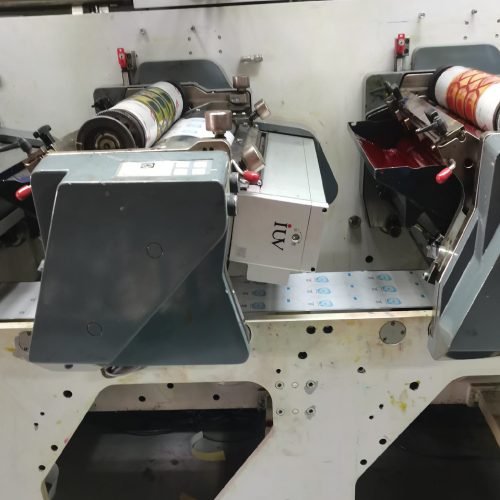
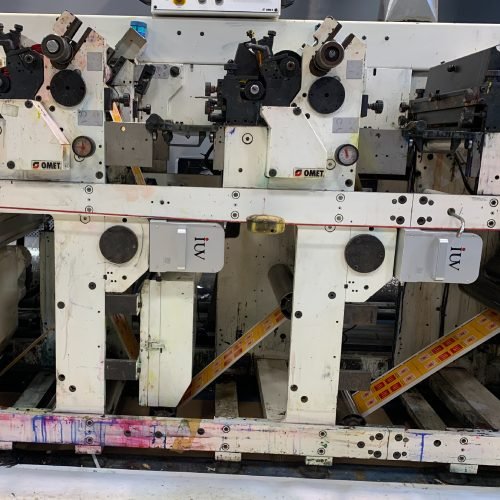
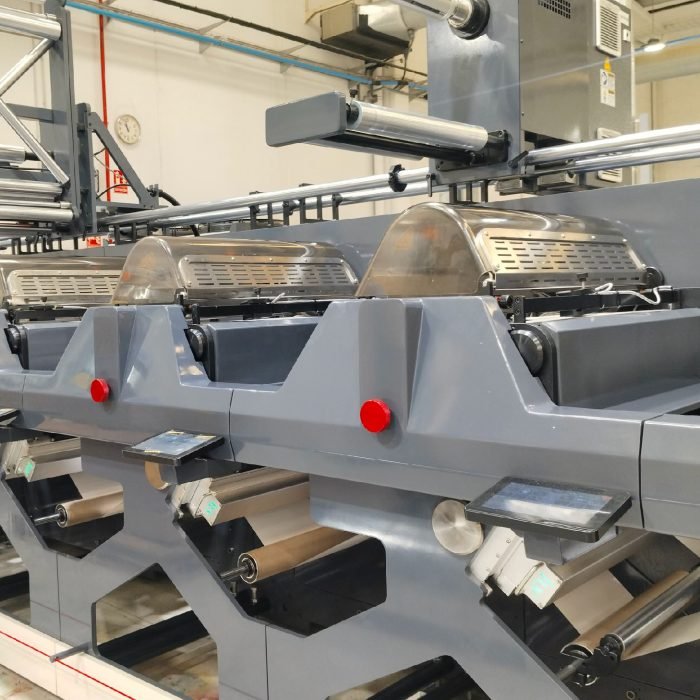
Narrow-web flexography has long been the workhorse for label printing. It utilizes flexible printing plates mounted on cylinders. Ink is transferred from an anilox roll to the plate, and then to the substrate. The “narrow-web” designation refers to the web width, typically ranging from a few inches up to around 20 inches. This format is ideal for producing rolls of labels efficiently.
Flexography offers several advantages. It excels at printing on a wide variety of substrates, including paper, films, and foils. Its ability to handle high-viscosity inks and achieve excellent ink transfer makes it suitable for both solid colors and fine details. The inherent flexibility of the process allows for inline converting operations like die-cutting, slitting, and varnishing, streamlining the entire production process.
The Challenge: Traditional UV Curing Limitations
For years, UV curing has been the standard for rapid ink drying in flexographic printing. Traditional mercury vapor lamps have been effective, offering fast cure speeds and excellent ink properties. However, they come with significant drawbacks.
Mercury lamps operate at high temperatures, requiring substantial cooling systems. This adds complexity and cost to the printing press. The lamps also have a relatively short lifespan and contain hazardous materials, leading to disposal challenges. Furthermore, their energy consumption is considerable, impacting operational costs and environmental footprints. Achieving a full, consistent cure, especially in high-speed environments, could sometimes be a delicate balancing act.
Enter LED UV Curing: A Game Changer
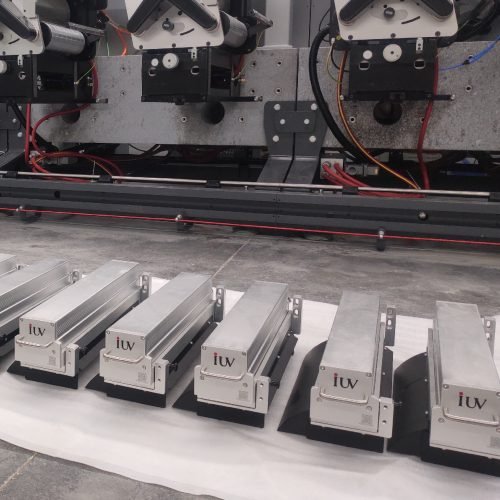
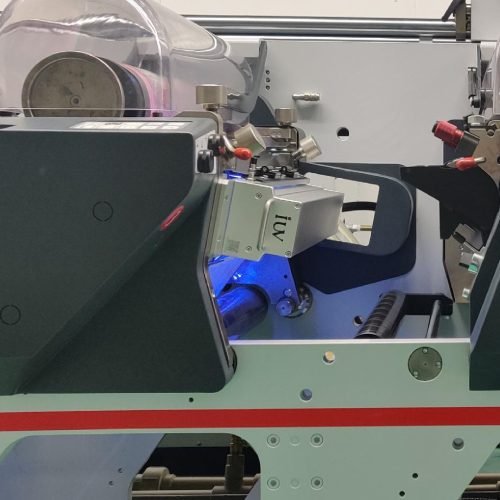
Light Emitting Diode (LED) UV curing technology represents a significant leap forward. Instead of a broad spectrum of UV light emitted by mercury lamps, LEDs emit specific wavelengths that are precisely matched to the photoinitiators in UV-curable inks and coatings. This targeted approach offers a host of benefits that directly accelerate high-quality label production.
Accelerating Production: The Speed Advantage
One of the most immediate impacts of LED UV curing is the acceleration of production speeds. Because LED lamps emit a more intense and focused UV output at the specific wavelengths required for curing, they can achieve a complete and thorough cure much faster than traditional systems, especially at narrower web widths. This means printers can run their presses at higher speeds without compromising ink adhesion or print quality.
This speed increase translates directly into higher throughput. More labels can be produced in the same amount of time, significantly reducing lead times for customers. For a label printer operating in a competitive market, this ability to deliver faster without sacrificing quality is a massive advantage. It allows for more agile response to market demands and reduces the overall cost per label.
Enhancing Quality: Precision and Consistency
Beyond just speed, LED UV curing significantly enhances the quality of the final printed labels. The precise wavelength output ensures a more consistent and efficient cure. This leads to:
- Improved Ink Properties: Inks cured with LED technology exhibit superior scratch resistance, chemical resistance, and color vibrancy. The controlled cure prevents over-curing or under-curing, which can degrade ink performance.
- Sharper Details: The focused energy of LEDs allows for sharper dot definition and crisper text. This is particularly important for small fonts and intricate graphics that are common on high-end labels.
- Reduced Heat Transfer: Unlike mercury lamps, LEDs generate very little heat. This is crucial when printing on heat-sensitive substrates like thin films. Less heat means less substrate distortion, fewer registration issues, and the ability to print on a wider range of materials without degradation.
- Color Consistency: The consistent energy output of LEDs across their lifespan, and from lamp to lamp, contributes to more uniform color reproduction throughout a print run. This reduces the need for frequent color adjustments and minimizes waste.
Environmental and Economic Benefits
The advantages of narrow-web LED flexo technology extend to environmental sustainability and economic efficiency.
- Energy Savings: LEDs are significantly more energy-efficient than mercury lamps. They consume up to 70% less energy, leading to substantial cost savings on electricity bills. This also reduces the overall carbon footprint of the printing operation.
- No Mercury: LED lamps are mercury-free, eliminating the environmental hazards associated with the disposal of traditional UV lamps. This simplifies waste management and aligns with growing environmental regulations and corporate sustainability goals.
- Longer Lifespan: LED systems have a much longer operational lifespan than mercury lamps, often lasting tens of thousands of hours. This reduces the frequency of lamp replacements, saving on both material costs and downtime.
- Instant On/Off: LEDs can be switched on and off instantaneously. This is beneficial during job changes or when the press is stopped, as it prevents unnecessary energy consumption and reduces wear and tear on the lamps.
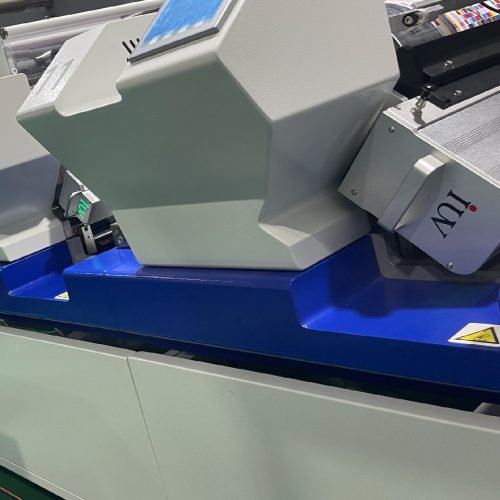
- Compact Design: LED UV curing systems are often more compact than traditional systems, allowing for easier integration into existing or new narrow-web presses without requiring extensive modifications.
Specific Applications and Considerations
The adoption of narrow-web LED flexo technology is particularly impactful in segments where speed, quality, and substrate versatility are paramount. This includes:
- Food and Beverage Labels: Where vibrant colors, durability, and compliance with regulations are essential. The reduced heat is also advantageous for sensitive packaging.
- Cosmetics and Personal Care Labels: High-end aesthetics, sharp graphics, and resistance to common chemicals are key.
- Pharmaceutical Labels: Precision, legibility, and resistance to sterilization processes are critical.
- Industrial Labels: Durability, weather resistance, and clear identification are paramount.
When implementing LED UV curing, printers need to ensure their inks and coatings are specifically formulated for LED wavelengths. This is a crucial step to achieve optimal curing performance. Fortunately, ink manufacturers have been quick to develop a wide range of LED-curable formulations for flexographic applications.
The Future of Label Production
Narrow-web LED flexo technology is not just an incremental improvement; it’s a transformative advancement. It addresses the core challenges of modern label production: the need for speed, uncompromising quality, substrate flexibility, and sustainability.
By combining the established efficiency of narrow-web flexography with the precise, powerful, and energy-efficient curing capabilities of LEDs, printers can achieve unprecedented levels of productivity and deliver superior label products. This technology empowers businesses to meet evolving market demands, reduce operational costs, and enhance their environmental responsibility. As the technology continues to mature and become more accessible, its role in accelerating high-quality label production will only grow.